
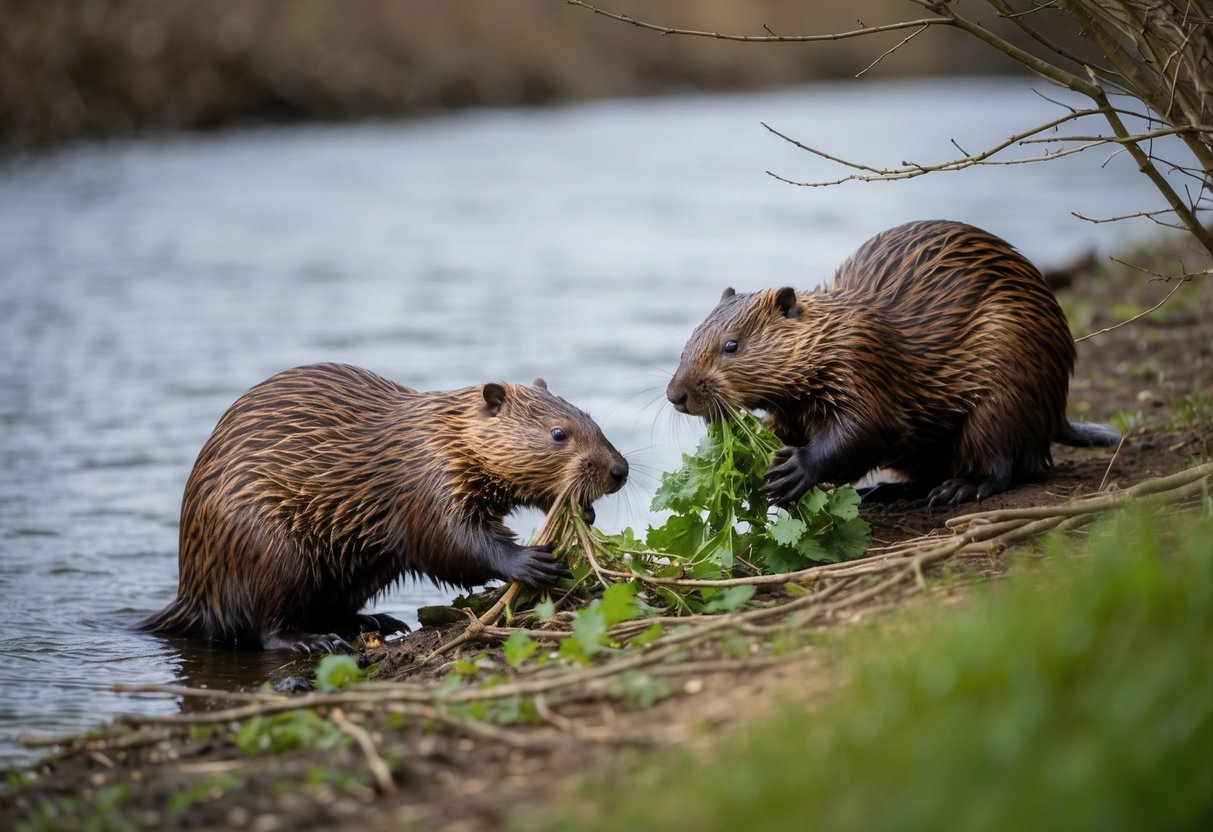
If you’re curious about what UK beavers munch on, you’re in for a treat. Beavers in the UK primarily feast on a diet of herbaceous plants, tree bark, twigs, and leaves. Their eating habits are fascinating and directly linked to their environment.
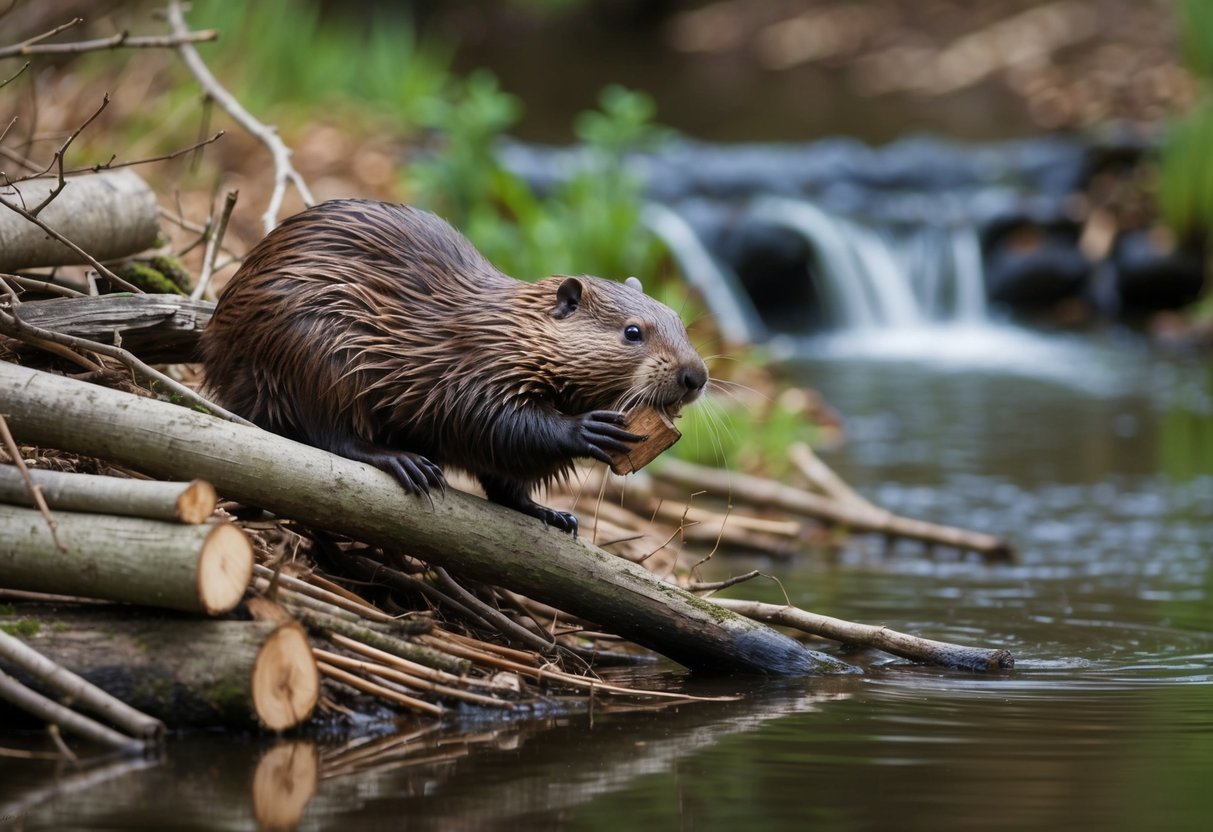
These amazing creatures tend to favor trees like willow and aspen, but they are also known to enjoy various aquatic plants. As you explore more about their diet, you’ll discover how their eating habits play a vital role in the ecosystem they help create. Learning about beavers’ diets can deepen your appreciation for these remarkable mammals and the habitats they influence.
Beaver Basics
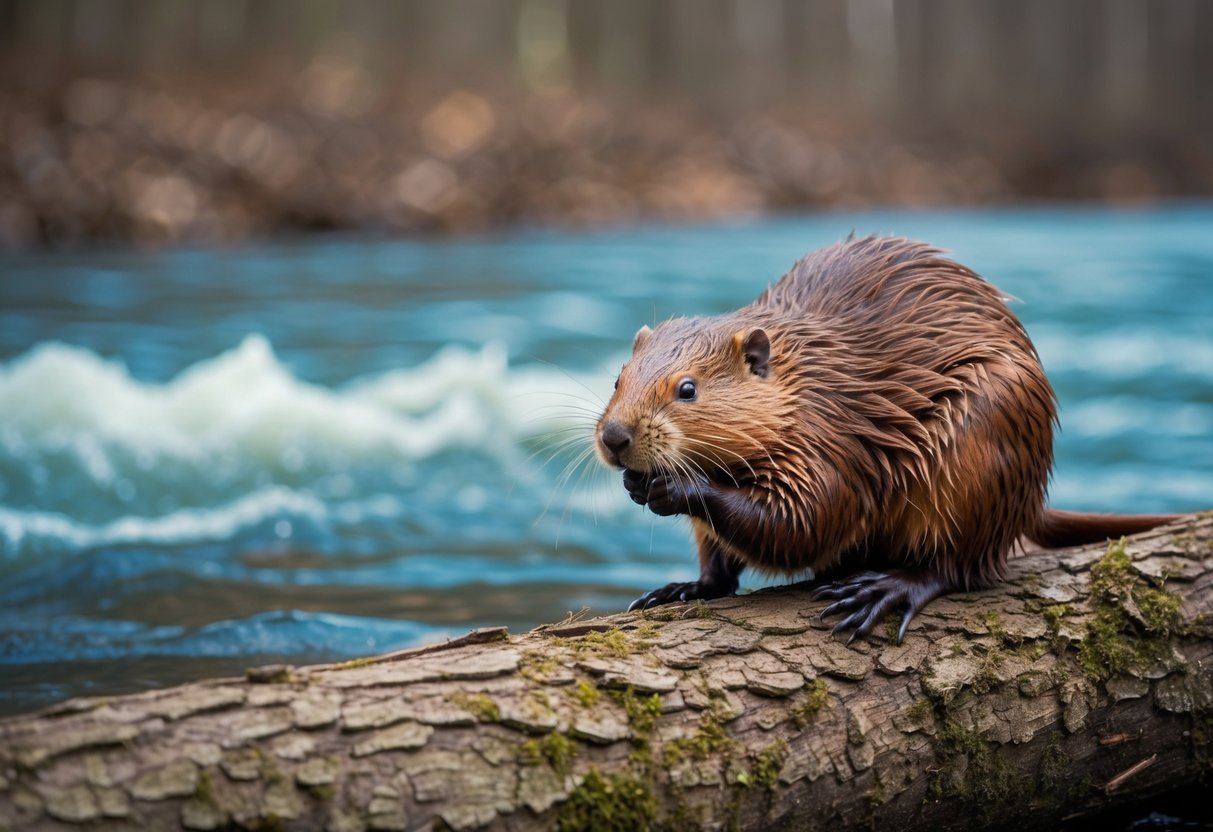
Beavers are fascinating creatures known for their unique behaviors and significant roles in ecosystems. Understanding their species, family structures, and importance in biodiversity can help you appreciate these remarkable animals.
Species and Habitat
The European or Eurasian beaver, known scientifically as Castor fiber, is the primary species found in the UK. These beavers thrive in wetland habitats, such as rivers, lakes, and ponds, where they can build dams and lodges.
They prefer areas with plenty of trees and aquatic plants, as these are crucial for their diet and shelter. Beavers are often spotted in nature reserves and conservation areas, where efforts are made to protect their populations. Recently, projects like the Scottish Beaver Trial by the Scottish Wildlife Trust have helped reintroduce beavers into their native habitats, enhancing biodiversity.
Family Structure and Breeding
Beavers typically live in family groups, which consist of a mating pair and their offspring. These family units work together to build and maintain their dams, providing safety and food access.
Breeding usually occurs in late winter, with kits born in the spring. The young stay with their parents for about two years, learning essential survival skills. During this time, they help maintain the habitat, ensuring the health of their ecosystem.
Keystone Species Role
Beavers play a crucial role as a keystone species in their environment. By constructing dams, they create wetlands that improve biodiversity and water quality. These habitats benefit many other species, including fish, birds, and plants.
Their activities help to store water, reduce flooding, and filter pollutants. As they modify their surroundings, beavers set the stage for new wildlife to thrive, making them a vital part of ecosystem conservation efforts. Protecting beavers and their habitats is important for maintaining the health of our natural world.
Diet and Feeding Habits
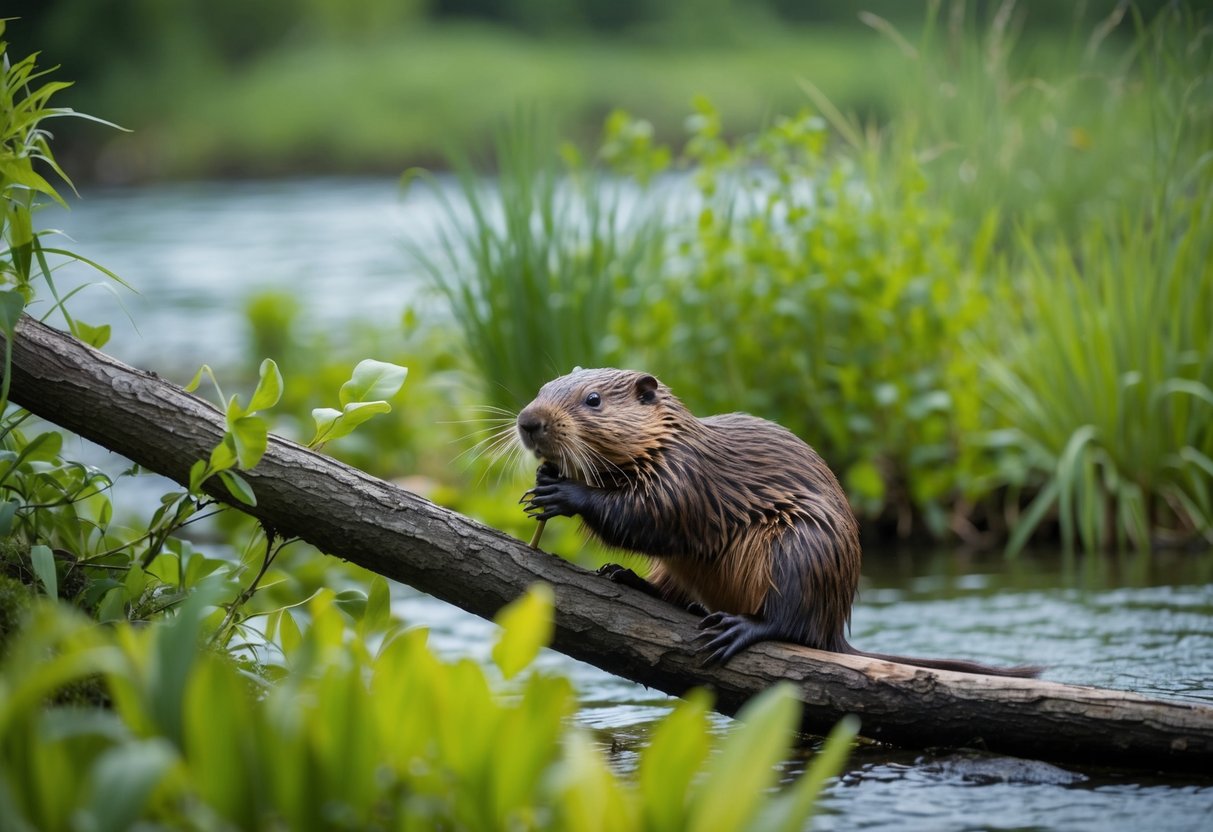
Beavers in the UK have a unique diet that changes with the seasons and consists mainly of plant matter. Their feeding habits influence not only their health but also the environment around them. Here’s a closer look at what they eat and how they find their food.
Seasonal Dietary Changes
In spring and summer, beavers enjoy a wide variety of fresh vegetation. They consume tender shoots, grasses, and leaves, which are abundant during these seasons.
As autumn approaches, they switch to harder materials like tree bark and twigs. This preparation helps them build food caches for winter reliance. In winter, when food is scarce, beavers rely heavily on stored bark and woody material to get through the cold months.
Types of Plant Matter Consumed
Beavers are primarily herbivorous, feeding on a variety of plant species. They have a fondness for willows, poplars, and cottonwoods, which provide both food and building materials.
Their diet includes:
- Bark: The inner bark, or cambium, is especially nutritious.
- Leaves: Fresh deciduous leaves are a favorite in spring.
- Sedges: These aquatic plants are vital in summer.
- Herbaceous plants: Grasses and other soft plants fill their diet.
This diverse diet helps maintain their energy levels and supports their busy lifestyle.
Foraging Behavior and Techniques
Beavers are remarkable foragers. They use their strong teeth to gnaw at trees, accessing nutritious inner bark and twig material. They often work in groups, making foraging more efficient.
When they find food, they may store it nearby, creating a food cache for later use. This storing behavior is crucial for survival during harsh seasons. Beavers can transport food using their powerful tails, helping them gather and organize their meals effectively.
Overall, their foraging strategies are key to their success as they adapt to the changing seasons and available resources.
Environmental Impacts of Beavers
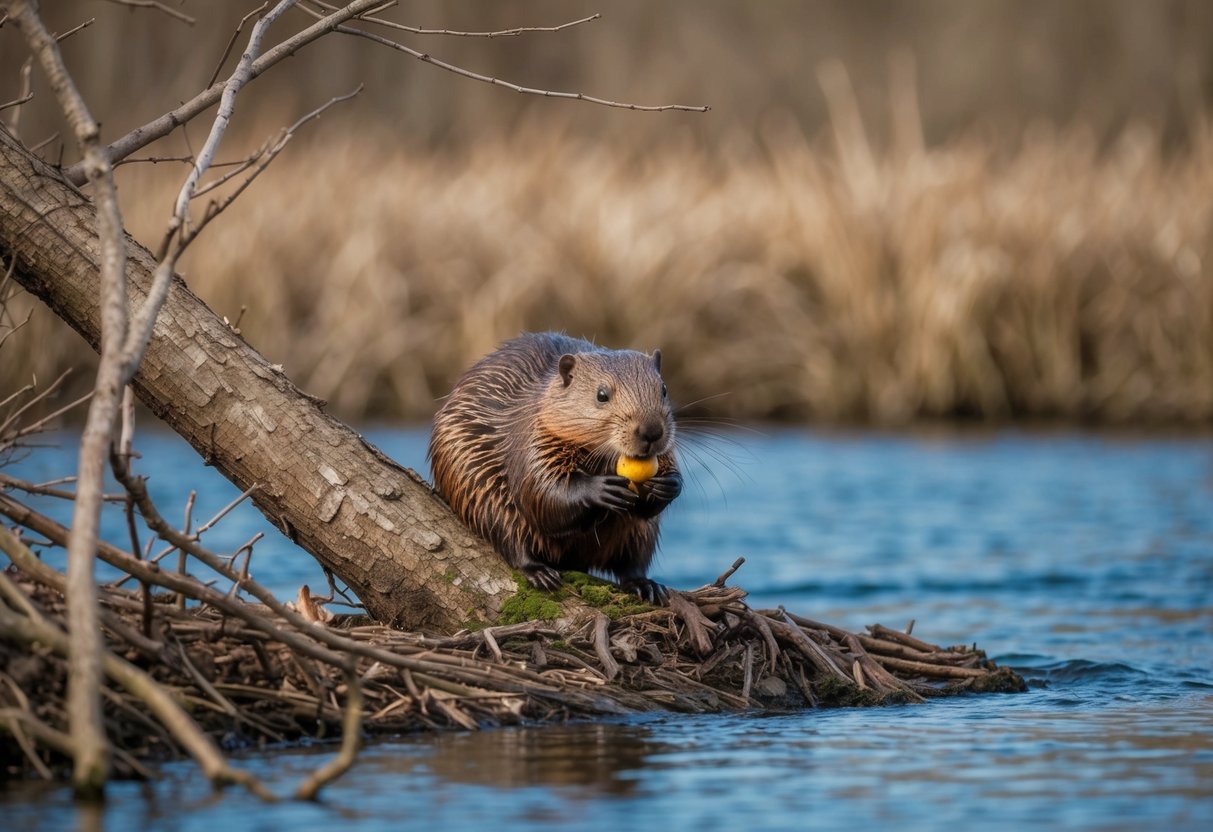
Beavers are important animals in their ecosystems. They create and modify landscapes, affecting water quality, flood risks, and interactions with other wildlife. Understanding how they operate helps you appreciate their role in nature.
Ecosystem Engineering via Dams and Lodges
Beavers are known as ecosystem engineers. They build dams using trees, branches, and mud, which create ponds. These ponds offer habitats for various aquatic plants and animals. By constructing lodges for shelter, beavers promote biodiversity.
The ponds retain water during dry periods. This creates a stable environment that benefits fish and birds. The presence of beaver dams can also slow down river flow, which helps recharge groundwater aquifers. In this way, beavers actively shape their surroundings and create new ecosystems.
Benefits to Water Quality and Flood Risks
Beaver activities significantly improve water quality. Their dams filter sediments and pollutants, leading to cleaner water in lakes and rivers. As water flows through beaver ponds, it gains oxygen and nutrients, which benefits aquatic life.
Additionally, beaver dams help manage flood risks. By slowing the flow of water, they reduce the likelihood of rapid flooding during heavy rains. This natural flood control can protect agricultural land and other valuable properties from water damage.
Interactions with Other Wildlife
Beaver habitats attract various wildlife species. Otters, muskrats, and many bird species thrive in these environments. The presence of beavers can create a healthy balance in ecosystems, allowing different species to interact harmoniously.
In many areas, beavers are crucial for maintaining biodiversity. Other wildlife benefit from the rich food sources in the wetlands formed by beaver dams. As beavers reintroduce themselves to landscapes, such as through the river otter beaver trial, they contribute positively to the local ecology.
Beaver Reintroduction in the UK
The reintroduction of beavers in the UK has gained attention for its role in enhancing biodiversity and addressing environmental issues. This section explores the past and present efforts, public reactions, and future outlook for beavers in the region.
Historical and Recent Reintroduction Efforts
Beavers were once native to the UK but became extinct due to overhunting and habitat loss. In the early 2000s, efforts began to reintroduce the Eurasian beaver in various locations.
Notable projects include the Scottish Beaver Trial, which started in 2009. It aimed to study the impacts of beavers on the environment. In Devon, the River Otter Beaver Trial took place, showcasing the adaptability and breeding success of beavers in this area.
Today, beavers are found in several regions, including Scotland, Cornwall, and parts of Wales. Thanks to these initiatives, beaver numbers are increasing, offering benefits such as natural flood management and improved biodiversity.
Public Perception and Legal Framework
Public perception of beaver reintroduction varies among local communities. Many appreciate the ecological benefits, such as increased biodiversity and wetland restoration.
The UK government has implemented legal frameworks to protect beavers. In 2021, they were classified as a native species, granting them protection under UK law. However, concerns arise regarding their impact on agricultural land and potential flooding.
To address these issues, organizations like the Scottish Wildlife Trust and various wildlife trusts work to educate the public and promote coexistence strategies, which include measures to manage local populations and mitigate conflicts with farming.
Monitoring and Future Prospects
Ongoing monitoring of beaver populations is essential to assess their impact on the environment.
Studies show that beaver activity can reduce flood risk by creating wetlands that absorb excess water.
Future prospects for beaver reintroduction look promising.
More areas are being considered for new populations, and conservationists are optimistic about their role in restoring ecosystems.
Increased public support will be crucial for successful management and acceptance.
As you learn about these efforts, remember that local communities play an essential role in ensuring that beaver reintroduction benefits everyone, including the wildlife itself.


