
If you’ve ever wondered about the culinary possibilities of beaver, you’re not alone. Many people are curious about the different parts of this animal, especially its tail.
Real beaver tails are edible, and they can be quite nutritious too. For those daring enough to try, it offers a unique taste experience that may surprise you.
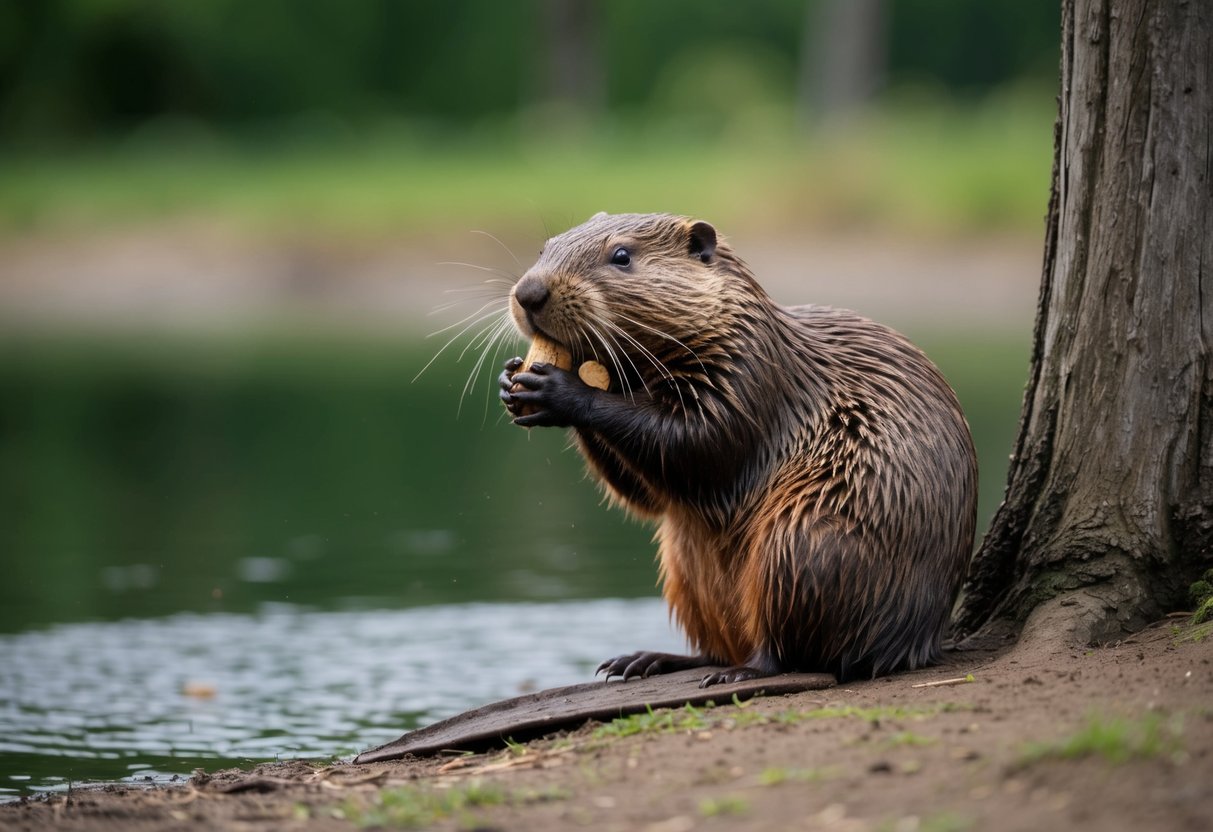
Historically, beaver tail has been enjoyed by various cultures. It’s often considered a delicacy, prized for its high fat content. Some people view it as something to savor, while others might shy away from trying it.
As you read on, you’ll discover how beaver tail can be prepared and why some consider it a worthy dish to enjoy.
Whether you’re a curious foodie or an adventurous hunter, learning more about beaver tails can give you insights into this interesting aspect of culinary exploration. If you’re thinking about trying beaver or just learning more about it, this article will guide you through everything you need to know.
Beavers and Their Diet

Beavers play an important role in their ecosystems. Understanding their diet can help you appreciate how these animals thrive in their habitats.
Understanding Beaver Ecology
Beavers are herbivores, meaning their diet is mainly plant-based. Their ecological role is essential because they help create wetlands. These areas attract various wildlife and improve biodiversity.
Beavers are active foragers. They gather food and build dams that create ponds, providing them with more resources. Their homes, or lodges, offer safety from predators.
The habitat of beavers includes forests, rivers, and lakes. Beavers adapt well to these environments, relying on nearby vegetation for food. Their ability to manipulate their surroundings marks them as true engineers of nature.
What Do Beavers Eat?
Beavers primarily consume the inner bark, leaves, and twigs of trees and shrubs. Their favorites include aspen, birch, and willow. This diet provides the nutrients they need to stay healthy and energetic.
In addition to tree parts, beavers might also eat aquatic plants and herbs. This variety ensures they get a balanced diet throughout the year. When food is scarce in winter, beavers rely on stored branches and logs.
Beavers have a unique body structure. Their large, flat tails store fat, which helps them survive tough winters. This is one reason why some people consider eating beaver tail a nutritious option.
When it comes to beaver meat, it can be prepared in different ways, offering a rich flavor. Many people have enjoyed beaver meat in various dishes, especially during historical times when food sources were limited.
Culinary Aspects of Beaver Meat

Beaver meat is considered a type of game meat with a unique flavor and texture. Understanding how to prepare and cook it can enhance your culinary experience.
Game Meat Overview
Beaver meat is often categorized with other wild game meats due to its distinct taste and nutritional benefits. It is high in protein and provides essential nutrients. Many people find it surprising, but beaver meat has been consumed for centuries, especially by indigenous cultures and trappers.
You will discover two main cuts of beaver meat: the body and the tail. The body meat is lean and similar in texture to beef or venison. In contrast, the beaver tail contains mostly fat, providing a different culinary experience.
In many recipes, beaver meat is marinated to enhance its flavor. You might try various cooking methods based on your preferences.
Preparing and Cooking Beaver Meat
Before cooking, proper preparation of beaver meat is essential. Marinating it for 24 to 48 hours is a common practice. You can use ingredients like vinegar, soy sauce, or spices to create a flavorful mixture.
Cooking methods vary and include roasting, grilling, or even deep-frying. If you choose to roast beaver, slow cooking at lower temperatures helps retain moisture and improves flavor.
The tail can be cooked separately and is often grilled over high heat. It’s essential to crack it open to enjoy its richer taste.
Flavor Profile of Beaver Meat
The taste of beaver meat is often described as mild with a hint of richness. Some people compare it to venison or beef, while others notice a slightly gamey flavor.
In general, the meat is tender when cooked correctly. The fat in the tail contributes a unique flavor that can be appealing. Many enjoy deep-fried beaver tail as a special treat.
When seasoned well, beaver meat can be an exciting addition to your wild game dishes. The key is to balance seasoning to enhance the natural flavors without overpowering them.
Health Considerations
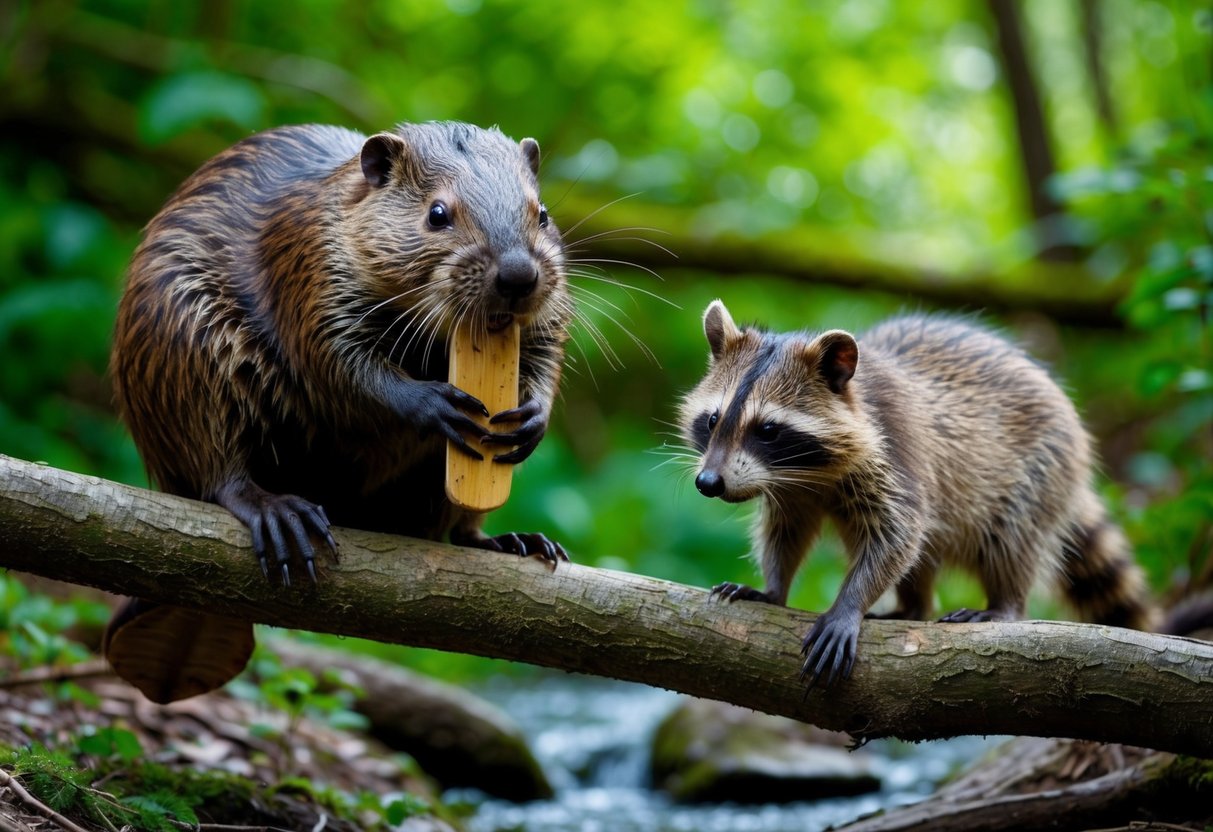
When considering eating beaver tails, it’s important to think about the nutritional value and any health risks. Understanding what’s in the meat and the precautions you should take can help you make informed decisions.
Nutritional Content of Beaver Meat
Beaver meat is a source of protein and has a unique composition. It contains about 22 grams of protein per 100 grams. This makes it a solid choice for those seeking alternative protein sources.
The fat content in beaver is primarily found in the tail, which is about 50% fat. While this fat can provide energy, be mindful of how much you consume.
Beaver meat is also a good source of iron, an important mineral for your body. Iron supports healthy blood and helps prevent anemia.
Potential Health Risks
Eating beaver can come with health risks, including the risk of giardiasis, also known as “beaver fever.” This parasite is commonly found in wild animal feces and can contaminate water sources. Cooking meat properly is crucial to reduce this risk.
Be aware of heavy metals as well. Wild animals can accumulate toxins in their bodies, so you should avoid eating beaver from polluted areas. Always check local advisories about wildlife consumption.
Cultural and Regional Significance

Beaver tails hold a unique place in culinary traditions and historical practices, especially in areas where hunting and wild game are common. Their significance can be traced back through history to modern times.
Historical Use of Beaver Meat
Historically, beaver meat was a valuable food source for Indigenous peoples and early settlers in North America. It was used as a form of protein similar to venison. The meat is rich and flavorful, perfect for hearty meals.
Trappers and hunters traded beaver pelts widely, but the meat itself was often consumed during long winter months. The tail, high in fat, served as an important sustenance when other food sources were limited. Techniques like smoking or stewing were common to preserve the meat and enhance its flavor.
Beaver Meat in Contemporary Cuisine
Beaver meat is gaining attention for its unique taste in modern cuisine. In regions like Ontario, you might find it featured at wild game festivals, showcasing local traditions and sustainable eating. Many chefs today incorporate it into gourmet dishes, bringing a new audience to this traditional food.
Beaver tail is often cooked in different ways, such as grilling or frying, and it’s known for its rich, fatty flavor. Many people enjoy the crispy texture when fried, adding it to dishes in a contemporary twist. So, if you find it on a menu, it’s worth giving this unique delicacy a try!


