
The term “beaver” has an interesting background that many might not know about. People have used the word as slang for female genitalia, likely due to the softness and texture of a beaver’s fur resembling pubic hair. This connection has led to various phrases and expressions in popular culture.

As you dive deeper into this topic, you’ll discover how language evolves and how certain words can take on entirely different meanings over time. The association between the animal and body image reflects social attitudes and cultural changes.
Curious to learn more about how this quirky nickname became popular? Keep reading to uncover more surprising facts and the history behind this unusual term.
Beaver: The Animal and Its History

Beavers are fascinating creatures with unique traits and a rich history. Understanding their biology and the significance of their pelts can help you appreciate these animals even more.
The Biology of Beavers
Beavers belong to the genus Castor and are known for their dam-building abilities. They are the largest rodents in North America, with adults reaching lengths of up to 80 cm (31 inches) and weighing between 16-30 kg (35-66 pounds). Their bodies are well adapted for life in water, featuring webbed feet and a flat, paddle-shaped tail.
Beavers have strong teeth that can fell trees and cut branches. This diet mainly consists of the bark and leaves of trees, which is essential for their nutrition. They are social animals, living in family groups called colonies, where they mate for life. Their unique behaviors and physical traits make them an important part of ecosystems, as they create wetlands that support diverse wildlife.
Historical Significance of Beaver Pelts
Beaver pelts have held significant value throughout history. In the past, they were highly sought after for making hats, which were fashion statements in Europe. The demand for these pelts led to extensive fur trading, which greatly impacted Native American tribes and European settlers alike.
During the 17th and 18th centuries, beaver pelts became a major trading commodity in North America. This trade played a pivotal role in the development of various economies and trade routes. Many explorers ventured into the wilderness seeking furs, resulting in increased European settlement.
Today, while the demand for beaver pelts has decreased, they still symbolize a deep connection to history. Understanding the importance of beaver pelts can give you insight into a time when these animals played a crucial role in shaping economies and societies.
Etymology and Language
The word “beaver” has interesting roots and a complex evolution in language. Understanding its origins and how it became a slang term offers insight into both its historical and modern meanings.
Origins of the Word ‘Beaver’
You may be curious about where the word “beaver” comes from. The term dates back to the late 14th century and comes from the Old French castor. This further traces back to Latin castor and Greek kastor.
In ancient contexts, kastor was linked to a figure worshipped for healing. This makes you think about how names can carry significant cultural meanings through time. The animal’s fur was valued as well, possibly influencing the term’s later use.
Slang Evolution and Usage
Over time, the word “beaver” transitioned into slang. In informal settings, it became a term for a woman’s vagina. This shift likely stems from the similarities between beaver fur and pubic hair.
Historically, this usage appears in old English vernacular. Language often evolves with culture, and this term reflects a playful and metaphorical approach. Understanding this evolution helps you see how language adapts over generations while still connecting to its roots.
Beaver in Pop Culture

The nickname “Beaver” has become a lasting symbol in American pop culture, primarily through television. The show “Leave It to Beaver” introduced audiences to a relatable character and explored the dynamics of family life in the 1950s. Let’s look at some key aspects of this cultural phenomenon.
‘Leave It to Beaver’ TV Show
“Leave It to Beaver” aired from 1957 to 1963 and featured Jerry Mathers as Theodore “Beaver” Cleaver. The show, created by Joe Connelly and Bob Mosher, portrayed the Cleaver family living in a suburban neighborhood.
Beaver is known for his innocent and curious nature. Viewers connected with his adventures and misadventures, making him a beloved character. The show also starred Barbara Billingsley as June Cleaver, his caring mother, and Hugh Beaumont as Ward Cleaver, his father.
This sitcom highlighted the joys and challenges of growing up, and many parents appreciated its wholesome themes. The show’s impact is still felt today, with references and reboots appearing in various forms of media.
The Cleaver Family’s Impact
The Cleaver family represented the ideal American family during the 1950s. They were known for their strong values and close-knit relationships. Beaver’s siblings, especially his older brother Wally, played a significant role in the show, often guiding Beaver through life’s lessons.
Their interactions reflected typical family dynamics. The show tackled themes of friendship, honesty, and responsibility while providing comedic elements that made it entertaining.
The Cleaver family left a lasting legacy, shaping perceptions of family life and influencing many similar shows that followed. Their story continues to resonate with viewers, keeping Beaver’s legacy alive in pop culture.
Societal and Humorous Aspects
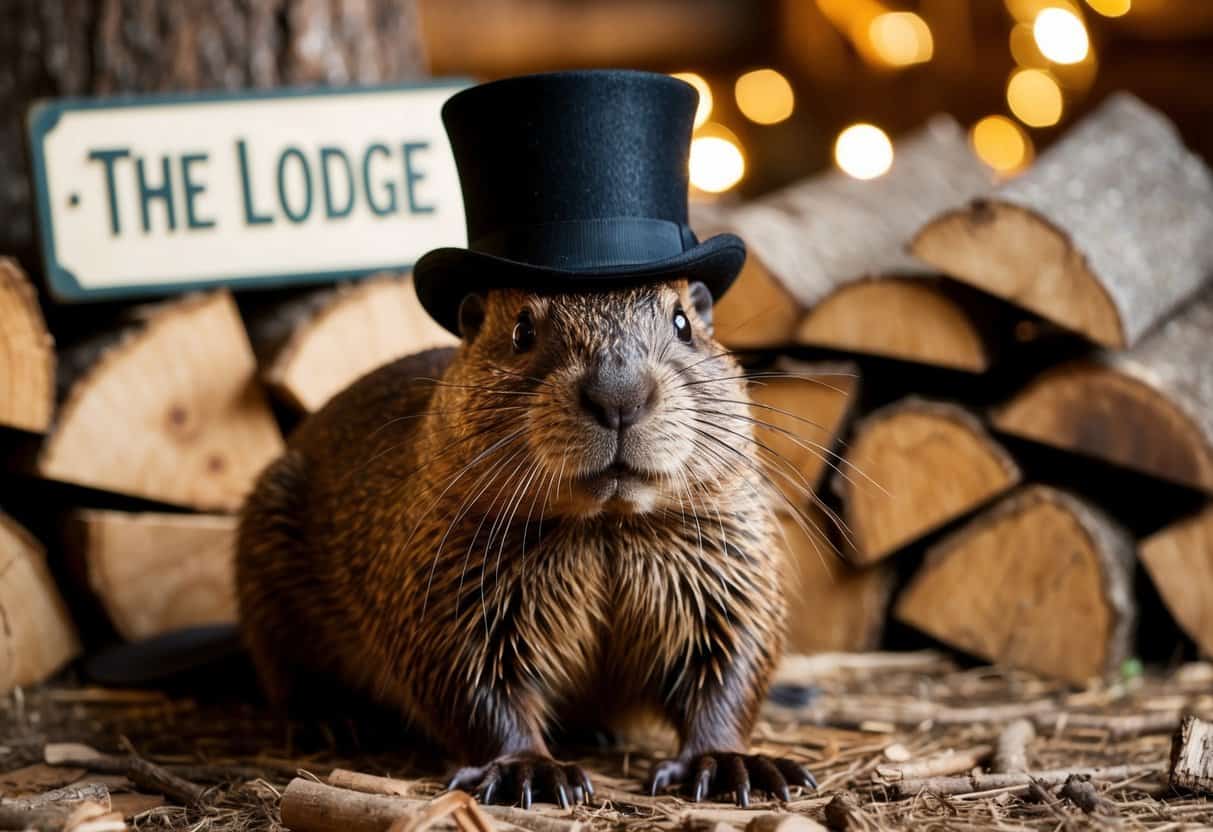
The term “beaver” carries both humorous and societal meanings. It often reflects aspects of culture, gender, and humor. Understanding these elements can give you insight into why this word is commonly used.
Beard and Hair Correlation
The playful nature of the term “beaver” connects to hair, particularly facial hair like beards and pubic hair. In humor, there’s a resemblance drawn between the two. The bushiness of a beard can evoke a light-hearted comparison to pubic hair.
This connection often leads to jokes and double entendres. People might use the term “beaver” to point out these similarities in a funny way. You can think of it as a form of witty wordplay that reflects a more relaxed attitude toward discussing bodies and sexuality.
Gender-Specific Connotations
The slang use of “beaver” often refers to female genitalia. This is an example of how language can convey gender-specific ideas.
For some, the term is humorous and playful, but it can also be seen as objectifying. Understanding this balance can help you engage in conversations about gender and sexuality.
It opens up discussions about empowerment and control over language, linking it to feminism and societal norms.


