
You’ll spot deer munching on all sorts of plants, but honestly, they’ve got some clear favorites. Deer mainly eat leaves, shoots, fruits, nuts (especially acorns), and the tender parts of woody plants—these give them the energy and nutrients they’re after.
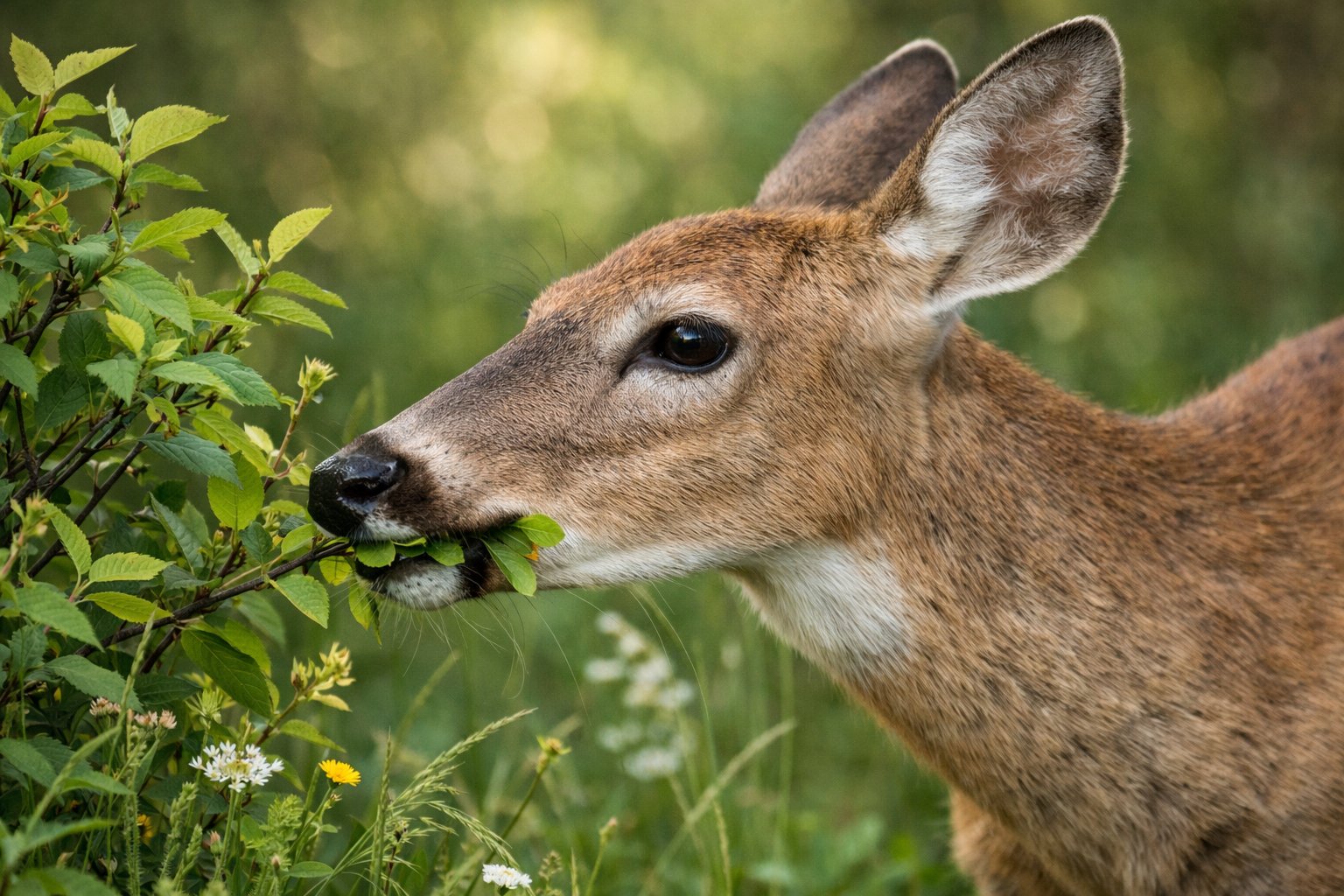
If you’re hoping to attract deer—or maybe keep them away—knowing what they love makes a big difference. The next sections break down their top picks and what else they’ll eat as the seasons change.
Favorite Foods of Deer

Deer eat all kinds of plants for energy, protein, and fat throughout the year. In fall, they chase high-calorie foods. Come spring, they go for tender greens packed with protein. Winter pushes them to eat more woody browse.
Acorns and Other Nuts
Acorns are a fall favorite. They’re loaded with fat and carbs, so deer flock to oak trees for both white and red oak acorns.
White oak acorns drop earlier and digest more easily, while red oak acorns hang on longer but pack more tannins. Deer also snack on chestnuts and beechnuts if they find them.
If you want deer around, keeping oak trees or planting new ones really matters. In years when oaks drop tons of acorns, deer stick close to those groves.
Deer almost always pick the sweeter, low-tannin white oak acorns over red oaks if both types are available.
Fruits and Berries
Soft fruits give deer a quick energy boost. They’ll eat apples, pears, and persimmons from orchards and fence lines.
Blackberries and raspberries show up on their summer menu, offering sugar and moisture. You’ll catch deer hanging around the edges of fields and places where fruiting shrubs grow.
As fruit ripens and falls, deer move in. Once it’s gone, they move on to something else. Planting fruiting shrubs can pull in deer, but keep in mind the fruit doesn’t last long.
Clover, Alfalfa, and Other Forbs
Forbs like clover and alfalfa give deer protein and easy energy, especially in spring and summer. White clover in lawns or pastures is a big draw.
Alfalfa fields become deer buffets—they love the fresh, green forage. Forbs also include plenty of so-called weeds that deer eat when they’re young and tender.
You’ll spot deer cropping new stems and leaves, since these offer the best nutrition bite for bite. If you’re hoping to boost habitat, grow more early-successional forbs and time your mowing to keep the regrowth tasty.
Browse and Woody Plants
When green plants run low, deer turn to browse—twigs, buds, and young leaves from shrubs and saplings. Dogwood, willow, and sumac (especially staghorn sumac) make the list.
Deer strip twigs and nibble buds in winter. Woody plants like greenbrier and cedar offer food year-round, if deer can reach the tender bits.
They always prefer the newest growth. If you manage land, limiting saplings or young stems changes how much deer use a spot.
Other Foods in a Deer Diet
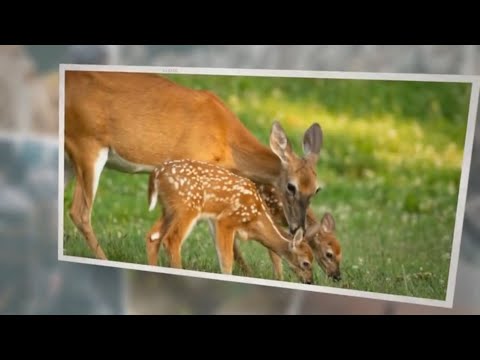
Deer eat way more than just trees and shrubs. You’ll sometimes catch them nibbling grasses, raiding gardens, or even snacking on mushrooms when they find them.
Grasses and Weeds
In spring and early summer, deer eat short, tender grasses. Bluegrass and fescue taste good to them when young.
They’ll bite at oats, rye, and other cereal grains in fields or weedy patches. Weeds matter too—dandelions, ragweed, and goldenrod give them digestible greens and flowers.
Forbs and broadleaf weeds offer more calories than older grass. Deer go for the freshest shoots, so timing is everything.
If you want deer to visit, leave some patches of tender grass and let a few weeds grow. Try not to mow everything in spring.
Small clearings with mixed grass and wildflowers get a lot more deer activity.
Agricultural Crops and Garden Vegetables
Deer regularly eat crops like soybeans, corn, and sunflowers. Soybean fields are high in protein and draw deer in late summer.
Corn is super attractive, but too much can upset their stomachs. Gardens are another favorite spot for deer raids.
You’ll find them eating lettuce, peas, carrots (mostly the tops and young roots), beets, and brassicas like cabbage or kale.
They’ll even strip tomato plants and eat soft fruit. Peas and beans are easy snacks—soft and sweet, just how deer like them.
To keep your garden safe, try fences, deterrents, or plant things deer don’t like as much. Adding buffers of native plants nearby can give deer another food source and help protect your veggies.
Mushrooms, Fungi, and Unusual Foods
Deer eat mushrooms and other fungi when they find them, especially in damp, wooded places.
Fungi give deer phosphorus and protein, which really helps when other foods run low.
Sometimes, you’ll spot deer nibbling on lichens or old man’s beard hanging from trees in winter.
They’ll also go for unusual things like sunflower seeds, apple-like fruits, or certain berry plants if they’re around.
Just a heads-up: not every wild mushroom is safe for animals, and some garden plants—like those nightshades—can actually harm deer if they eat too much.
If you’re keeping an eye on what deer eat on your land, check fungus patches after it rains.
Also, pay attention to sunflower or berry stands when they’re fruiting. Those spots usually attract more deer.


