
You walk into the woods and spot deer freeze or bolt at the slightest hint of trouble. Deer mostly fear animals that can kill or injure them—wolves, mountain lions, coyotes, bears, and sometimes dogs. Honestly, they treat humans as a top threat too. Let’s dig into which animals actually put deer at risk, and why these threats change how deer move, eat, and protect their young.
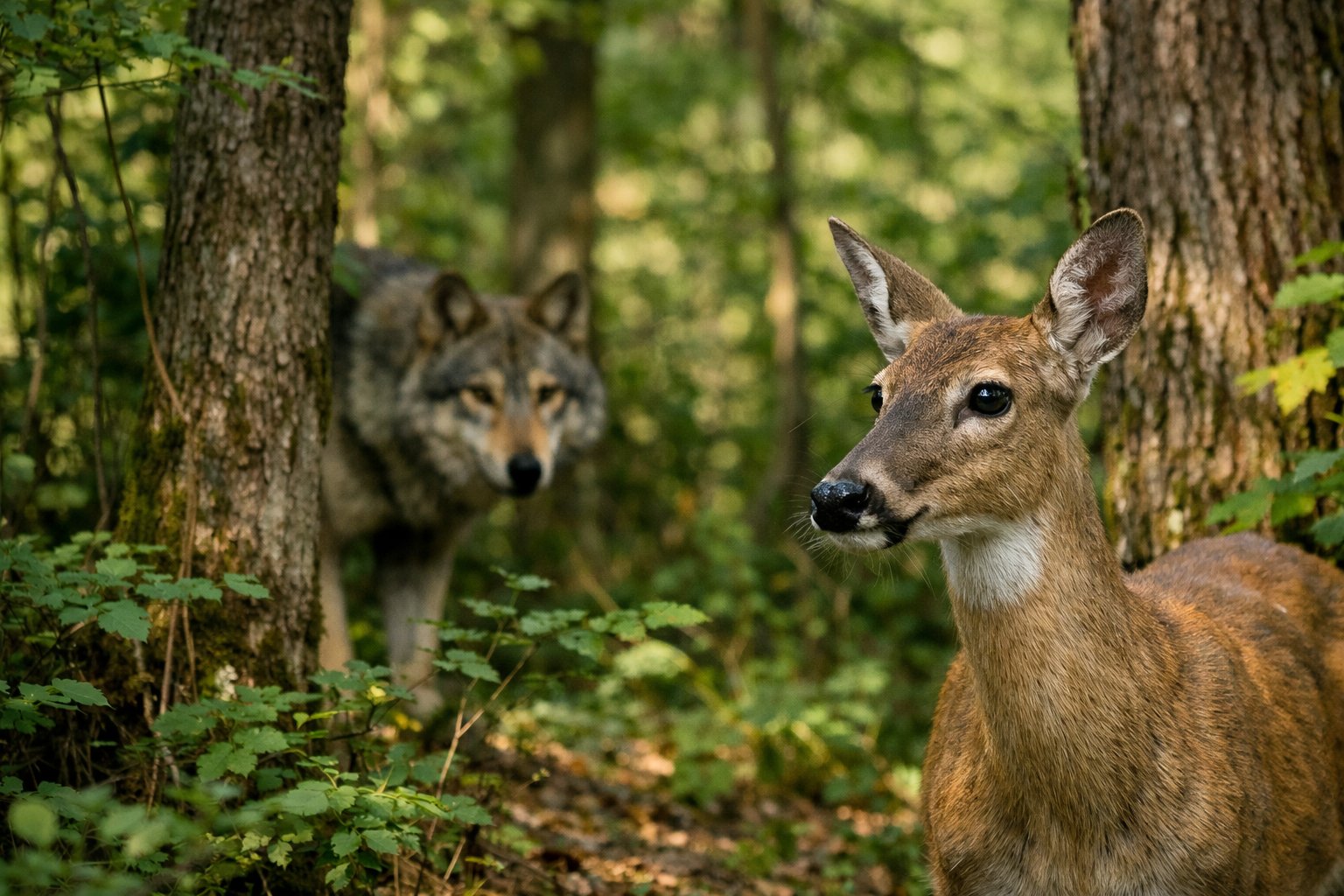
Predators use different hunting styles, but deer spot trouble early with their sharp hearing, strong sense of smell, and keen eyesight. Fear shapes everything about deer—how they hide their fawns, where they bed down, even when they eat.
If you want to understand why deer act the way they do in the wild, it helps to know what scares them.
Top Animals Deer Are Afraid Of
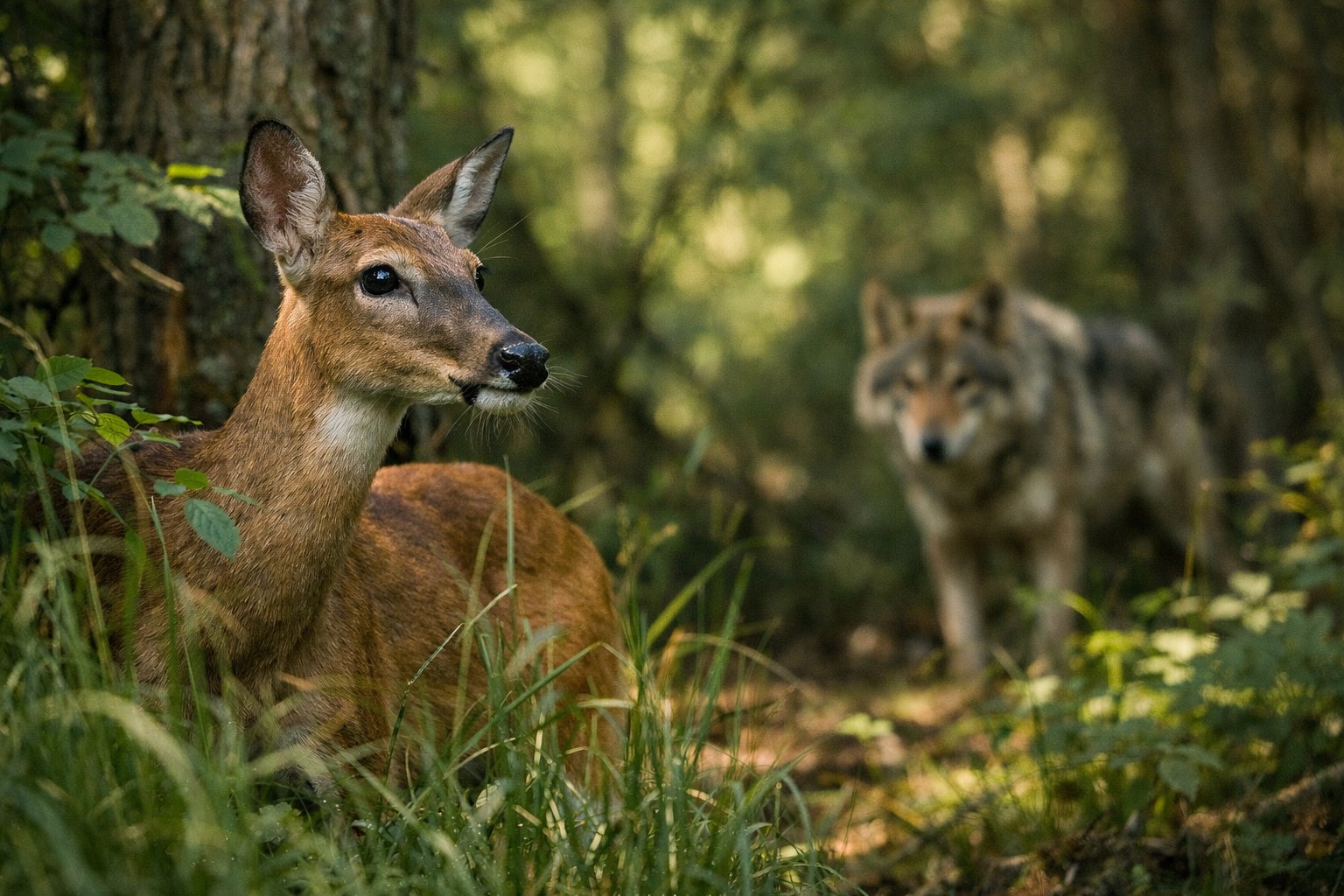
Deer react fast to specific threats you can see or hear. People and dogs make them jumpy, but wolves, coyotes, and mountain lions are the real hunters.
Bears, bobcats, and some birds also go after fawns or add stress to deer, especially whitetails.
Human Predators and Fear of Humans
Deer are honestly more afraid of people than wild predators in most places. Whitetails learn to avoid roads, yards, and trails when hunters or hikers show up a lot.
Human scent, voices, and even vehicles can set off a strong flight response.
This fear changes how deer behave every day. You might notice deer feeding at night or sticking to thick cover near houses to stay away from people.
Research shows deer recognize human activity and adjust their movement, which even affects where fawns hide.
If you let your dog run loose, deer treat it just like a predator. Even leashed dogs, noisy tools, or a sudden human showing up can push deer out of good spots.
People end up being the biggest influence on local deer behavior, whether we mean to or not.
Natural Predators: Wolves, Coyotes, and Mountain Lions
Wolves hunt in packs and can take down adult deer. If wolves live nearby, you’ll notice deer act way more alert.
Deer in wolf country tend to group up more and use alarm calls, which helps them spot trouble before it’s too late.
Coyotes mostly go after fawns, but they’ll take weak adults if they get the chance. They hunt alone or in pairs, using open areas and brushy edges.
Where coyotes roam, you might see does hiding fawns better or moving them around a lot.
Mountain lions (or cougars) like to ambush. They surprise deer near trails, creek banks, or thick brush.
If you have cougars around, deer get quieter and more cautious. They use open fields less, especially at dawn and dusk.
Other Threats: Bears, Bobcats, and Domestic Dogs
Bears are opportunists. Black bears and grizzlies will eat fawns or scavenge carcasses, but they rarely go after healthy adults.
If black bears are common, you’ll see more fawn losses in spring and early summer.
Bobcats and foxes mostly take very young fawns. They’re sneaky, so you probably won’t witness attacks, but fawn survival drops where small predators are everywhere.
Sometimes golden eagles or other raptors grab tiny fawns in open areas.
Domestic dogs stress deer out and cause injuries. Uncontrolled dogs chase deer, break up bedding areas, and force deer to run, costing them energy.
You can help by leashing pets and steering clear of deer bedding spots, especially during fawn season.
How Deer Respond to Danger and How Fear Shapes Their Behavior

Deer use sound, sight, smell, and group behavior to spot threats and decide what to do—freeze, bolt, or warn others. Their reactions shape where they eat, when they move, and how they deal with people or deterrents.
Alarm Calls and Group Vigilance
Deer signal danger with short, sharp snorts and by flagging their white tails. A snort blasts air through the nose and tells nearby deer to pay attention.
Tail-flagging helps other deer see movement fast, so they can follow when one flees.
You’ll see deer freeze when they sense something weird. If the threat gets closer or louder, they suddenly bolt, zigzagging to throw off predators.
In groups, older deer and extra eyes help them detect trouble earlier and escape faster.
Hunters and wildlife managers watch for these signals during hunting season or when monitoring deer. Picking up on snorts, stomps, and tail flags gives you clues about deer stress and movement.
Senses and Survival Adaptations
Deer count on sharp hearing and smell. Their big ears swivel to catch faint sounds—like a twig snapping or a dog approaching.
Their noses pick up human scent, predator odors, or even the smell from repellents like rotten eggs or dried blood.
Deer see movement better than detail, even at night. That’s why loud noises, sudden motion, or flashing lights freak them out so easily.
You can use motion-activated tools—like propane exploders, motion detectors, or flashing lights—to scare deer, but they get used to predictable stuff pretty fast.
Deer can run up to 30–40 mph and jump high fences when they need to escape. Electric fencing usually works better than regular barriers.
Habitat loss, hunting pressure, and diseases (like CWD or EHD) force deer to change how and when they move to avoid risky spots.
Impact of Human Presence and Repellents
Human activity really changes how deer act. In suburbs, deer sometimes lose their fear of people after a while just by getting used to us.
But toss a new object in the yard, crank up a radio, or let a dog bark for a bit—deer usually bolt. If you want to protect your garden, you’ll probably need to mix up your tactics instead of relying on just one thing.
Some folks use plant-based repellents. Strong-smelling herbs like lavender, rosemary, thyme, oregano, chives, mint, or even marigolds might keep hungry deer away for a while.
You’ll also find commercial products like Bobbex or Liquid Fence. These work by either taste or smell, and some people swear by them.
There are auditory deterrents too—whistles, pie pans, metal cans, wind chimes, you name it. Even ultrasonic gadgets can spook deer at first, but honestly, they usually catch on and start ignoring them.
If deer keep coming back, you’ve got to get creative. Try combining electric fencing, motion-activated lights, propane exploders, and a mix of weird smells.
Switch things up now and then, and use physical barriers when you can. That way, deer don’t get too comfortable, and you stand a better shot at keeping them away from your place for good.


