
If you’ve ever thought about owning an arctic fox, you might wonder if these beautiful creatures make good pets. While they are fascinating animals, owning an arctic fox can be quite challenging. They have unique needs that can be difficult to meet in a home environment.

Arctic foxes require special diets, ample space, and socialization to thrive. Their wild instincts and behaviors can complicate pet ownership.
Before deciding on a pet arctic fox, consider whether you can provide the right environment and care they need.
Many people are drawn to the idea of having an exotic pet, but it’s essential to weigh the pros and cons. Understanding the realities of pet ownership for arctic foxes will help you make an informed decision. Are you ready to find out more?
Understanding Arctic Foxes
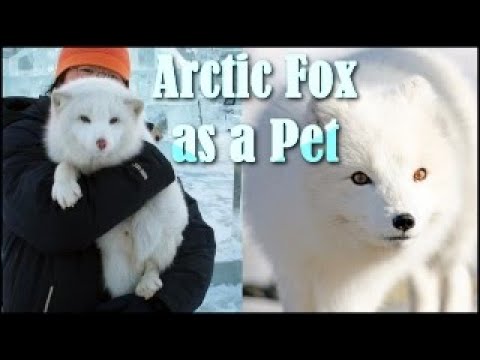
Arctic foxes are fascinating animals with unique adaptations that help them thrive in harsh climates. Knowing their physical traits and natural habitats can give you insight into their needs and how they behave.
Physical Characteristics and Behavior
Arctic foxes, or vulpes lagopus, are small mammals with thick fur that keeps them warm in freezing temperatures. Their coats are usually white in winter and brown or gray in summer, helping them blend into their surroundings.
These foxes have short ears and a compact body, which reduce heat loss. They possess keen senses, with excellent hearing that helps them locate prey like lemmings and voles beneath the snow.
Arctic foxes are also known for their playful and curious behavior. They often hunt in pairs or small groups and are very social. They may scavenge or store food for later, especially if they find a large meal. Their smart nature allows them to adapt to different environments in the Arctic tundra.
Habitat and Distribution
Arctic foxes primarily inhabit the Arctic tundra, a cold environment where food can be scarce. They are found in regions across Alaska, Canada, Greenland, and parts of Russia. These foxes can thrive in temperatures as low as -58 degrees Fahrenheit.
Their dens are often dug into the ground, providing shelter from extreme weather and predators like polar bears. You may find these dens in elevated areas to keep them safe from flooding.
In winter, they hunt for lemmings and voles, which make up a significant part of their diet. They can travel long distances to find food, showing their resilience in the wild. Understanding their habitat helps highlight their special adaptations and survival skills.
Arctic Foxes vs Other Fox Species

When considering an Arctic fox as a pet, it’s helpful to compare it to other fox species like the red fox and gray fox. Understanding their differences can guide your decision on which fox may be the best fit for you.
Comparison with Red and Gray Foxes
Red Fox: The red fox is larger than the Arctic fox, usually weighing between 8 to 15 pounds. They are known for being clever and adaptable. However, they tend to be more assertive and may require more space in your home. This makes the red fox less suitable for first-time pet owners.
Gray Fox: The gray fox is slightly smaller and often more timid. They can climb trees and have unique traits that differentiate them from both the Arctic fox and the red fox. While they are less common as pets, their calmer demeanor makes them appealing to some.
Both red and gray foxes have a tougher time adapting to colder environments compared to the Arctic fox, which is perfectly suited for harsh conditions. If you’re in a warmer area, an Arctic fox might not be the best choice.
Exotic Foxes as Pets
Exotic foxes, like fennec foxes and silver foxes, have their own charm. Fennec foxes are much smaller, with large ears and unique behaviors. They need less space but can be challenging due to their high energy levels.
Silver foxes are essentially red foxes bred for a specific coloration. They retain a more variable temperament. While these foxes can be affectionate, they also require dedicated care and attention.
If you’re considering any exotic fox, remember that they all need special habitats and diets. Arctic foxes, for example, thrive in cooler temperatures. Each type of fox has different needs, so choose wisely based on your environment and lifestyle.
The Reality of Arctic Foxes as Pets

Owning an Arctic fox as a pet is not as simple as it may seem. You need to consider their unique dietary needs, health requirements, and social behaviors. It’s essential to understand these elements before deciding to bring one into your home.
Dietary Needs and Feeding
Feeding your pet Arctic fox involves a special diet. They thrive on a diet composed primarily of raw meat, with a focus on muscle meat and organ meat.
A balanced fox diet should approximate:
- 75% muscle meat
- 10% raw bone
- 5% organ meats like kidney and liver
- 10% fruits and vegetables that are safe for pets
Foxes are not domesticated like dogs, meaning they can’t eat regular pet food. You must also ensure their food is fresh. In the wild, they eat various things, including carrion, which shows their natural scavenging behavior.
Health and Veterinary Care
Regular veterinary care is crucial for pet Arctic foxes. They require vaccinations to prevent diseases like rabies.
Finding a vet familiar with exotic animals can be challenging. Your vet will help monitor their health and ensure they stay in shape. Be prepared for potential health issues specific to wild animals, including parasites.
You should also consider the legal aspects. In some areas, it’s illegal to own an Arctic fox without permits. Always research local laws to avoid complications and make sure you’re compliant before acquiring a pet fox.
Behavioral and Social Needs
Arctic foxes are typically solitary animals in the wild. This means they may not easily adapt to living with humans or other pets. You need to be prepared for behavioral challenges.
Socializing your fox from a young age is essential, but their instincts can make this tough. They may not show the same social needs as dogs or cats.
With proper enrichment—such as toys and activities—you can help keep their energy in check. If you neglect their needs, they might develop destructive behaviors. Remember, owning an Arctic fox means understanding and respecting their wild nature.
Caring for an Arctic Fox

Taking care of an Arctic fox involves meeting their unique habitat needs and providing the right grooming and exercise. These animals require special attention to ensure they live a happy and healthy life.
Habitat Requirements and Enrichment
Creating a suitable environment for your Arctic fox is essential. They need plenty of space to roam and explore. A secure, fenced outdoor area is important as these foxes are curious and can escape easily.
Key Habitat Features:
- Space: At least 100 square feet of outdoor space.
- Shelter: A clean and warm shelter to protect them from the cold.
- Enrichment: Provide toys, tunnels, and items to dig in to stimulate their minds.
You should also consider connecting your indoor and outdoor spaces. This lets them enjoy different areas throughout the day. Their habitat should be safe and secure to prevent any health concerns that can arise from stress or injury.
Grooming and Exercise
Regular grooming is crucial for an Arctic fox. Their thick double-layered coat requires consistent brushing to remove loose fur and prevent matting. Aim to brush their fur at least once a week.
Grooming Tips:
- Use a slicker brush to remove tangles.
- Check for skin issues to ensure their coat stays healthy.
Exercise is equally important. These foxes are active and need daily physical activity to stay fit and happy.
Aim for at least one hour of playtime each day, either in your yard or with interactive toys indoors.
Exercise Ideas:
- Ball tossing and fetch games.
- Obstacle courses made from safe materials.


