
When you think of foxes, you might picture them as clever little creatures darting through the woods. You may wonder if they are related to dogs, or even if they belong to the rodent family. But, foxes are not rodents; they are part of the canine family, closely related to dogs. This surprising fact can change the way you view these fascinating animals.
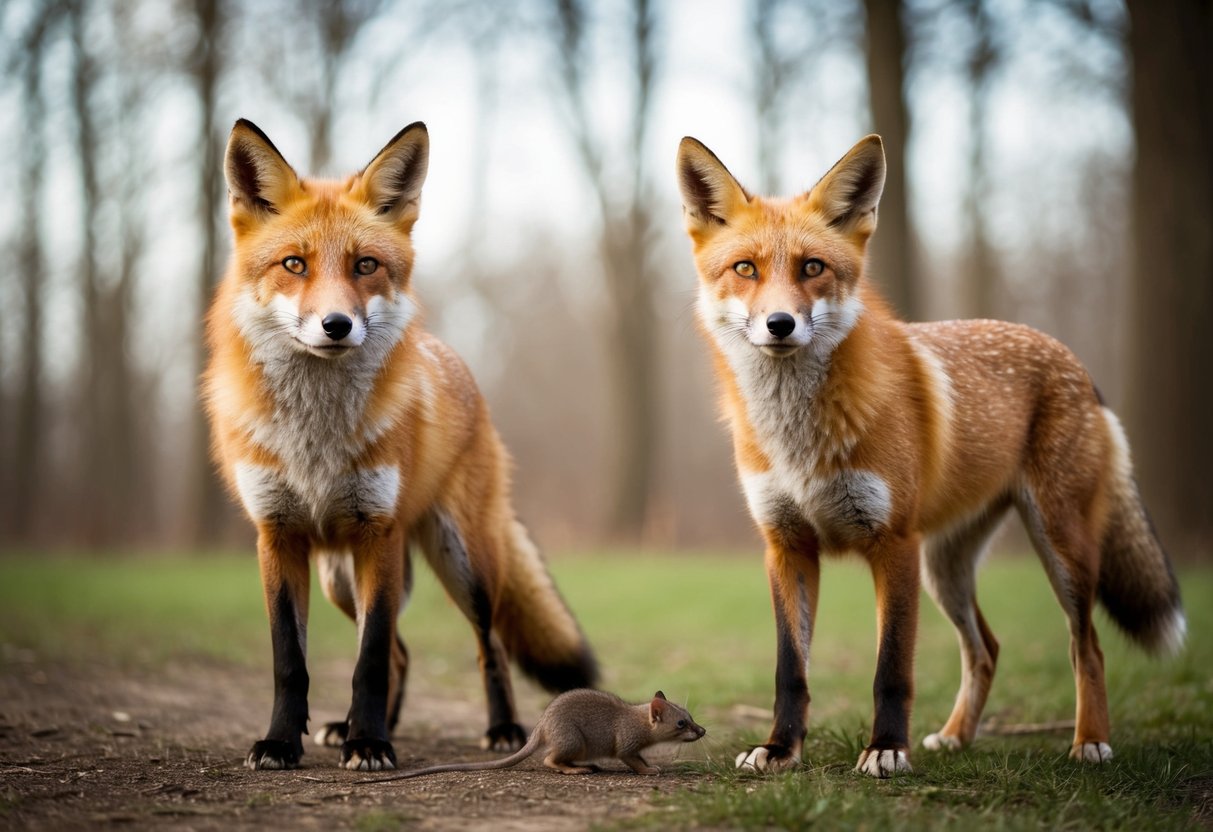
Foxes share many traits with dogs, such as their playful behavior and vocalizations. They are known for their adaptability and hunting skills, often preying on small mammals and birds. Understanding what sets foxes apart can help you appreciate their unique role in nature.
As you dive deeper into this topic, you will discover the differences between foxes and rodents, as well as how they fit into the broader animal family. Get ready to learn some interesting facts about these intriguing animals that you may not have known before!
Understanding the Canidae Family

The Canidae family includes a wide range of animals, such as foxes, dogs, and wolves. These animals share some characteristics but also have unique features that set them apart. In this section, you will learn about the classification of canids, the special traits of foxes, and the domestication of dogs.
The Basics of Canidae Classification
The Canidae family, known as the dog family, consists of various species that belong to the order Carnivora. This includes domestic dogs, wolves, coyotes, and foxes.
- Subfamilies: The family is divided into several subfamilies, including Caninae and Vulpinae.
- Genus Vulpes: Foxes fall under the genus Vulpes, which includes the red fox (Vulpes vulpes).
These animals have a shared ancestor but evolved differently over time. Their classification helps scientists understand their behaviors, adaptations, and ecological roles.
Foxes and Their Unique Traits
Foxes are fascinating members of the Canidae family. They are often recognized for their bushy tails and pointed ears.
- Size and Habitat: Foxes are smaller than many dog species and are adaptable to various habitats, from urban areas to forests.
- Diet: They are opportunistic feeders, eating fruits, insects, and small animals. This diverse diet helps them thrive in different environments.
Foxes also have unique behaviors, such as their ability to communicate using a variety of vocalizations. Their clever hunting skills and ability to camouflage make them interesting creatures in the animal kingdom.
Dogs and Their Domestication
Domestic dogs have a different story compared to their wild relatives. They are the first domesticated animals and have been companions to humans for thousands of years.
- Breeds: There are hundreds of dog breeds, each developed for specific purposes, such as herding, guarding, or companionship.
- Behavioral Traits: Dogs have been selectively bred for traits like loyalty and trainability, making them unique among canids.
While dogs share common traits with wild canids, their domestication has led to distinct behavioral and physical differences. The bond between humans and dogs is a key part of their existence.
Foxes in the Wild
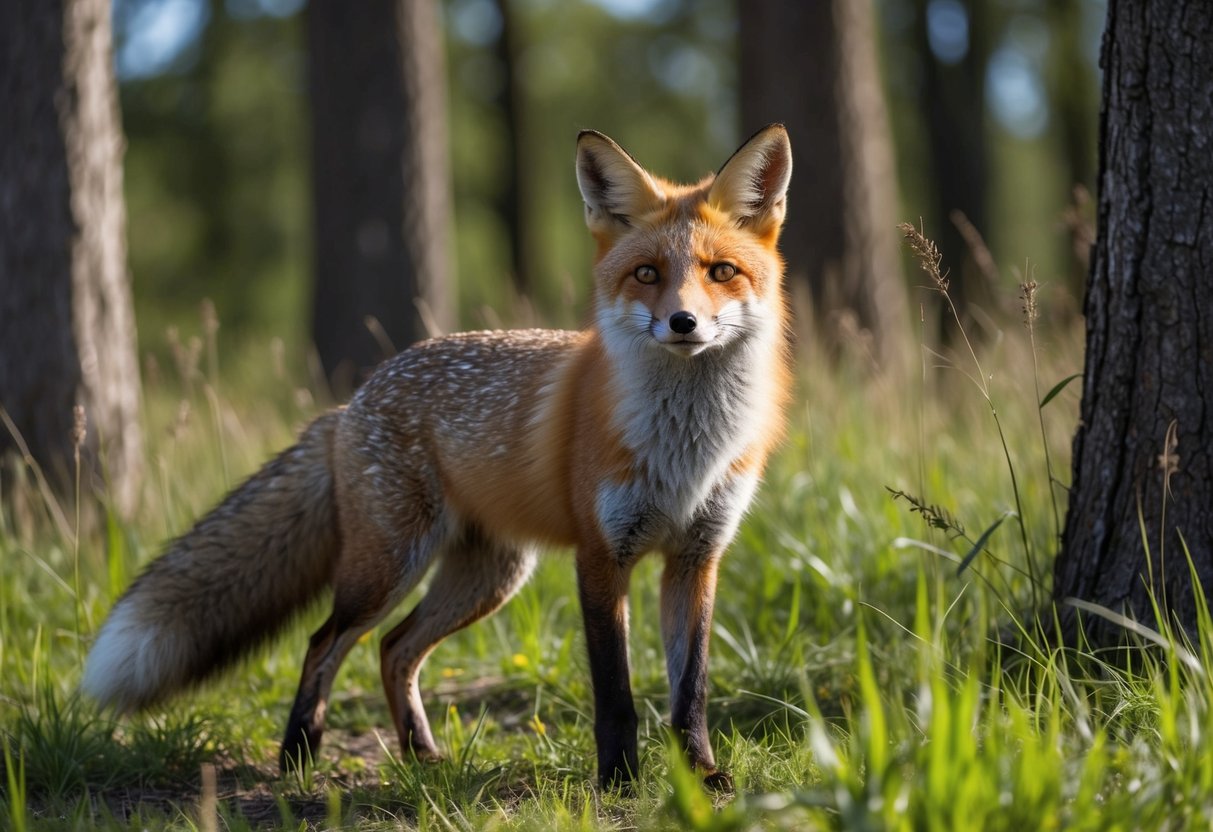
When exploring foxes in their natural environment, you’ll find diverse habitats and interesting behaviors. Foxes display unique diets and hunting techniques, and their social structures can vary widely. Each species, like the red fox and arctic fox, has adapted well to its surroundings.
Habitat and Distribution
Foxes thrive in a variety of habitats, including grasslands, forests, deserts, and even urban areas. The red fox is commonly found across North America, while the arctic fox resides in icy regions. In contrast, the fennec fox prefers the hot, sandy environments of the Sahara.
Each species has adapted to its niche; for example, the swift fox is known for living in open prairie, while the gray fox tends to prefer wooded areas. This adaptability allows them to thrive in many environments, making them one of the most widespread mammals.
Diet and Hunting Behaviors
Foxes are omnivores with a varied diet. They eat small mammals like mice, birds, and fruits. Their hunting strategies depend on the available prey and environment. For instance, the bat-eared fox specializes in catching insects in grasslands.
While hunting, they rely on their keen sense of hearing and sharp eyesight. They might pounce on their prey or chase it down, depending on the situation. Their ability to adapt their diet makes them effective hunters, ensuring they find food in different habitats.
Social Behavior and Lifestyle
Foxes are mostly solitary animals, though some have complex social structures. Unlike wolves, they are less likely to live in packs, but they do form family groups during the breeding season.
Foxes can be monogamous, with pairs raising their young together. The female gives birth to pups, which she cares for until they are ready to become independent. Most interactions occur during mating season, and their social behaviors can be quite fascinating to observe.
Adaptations and Survival
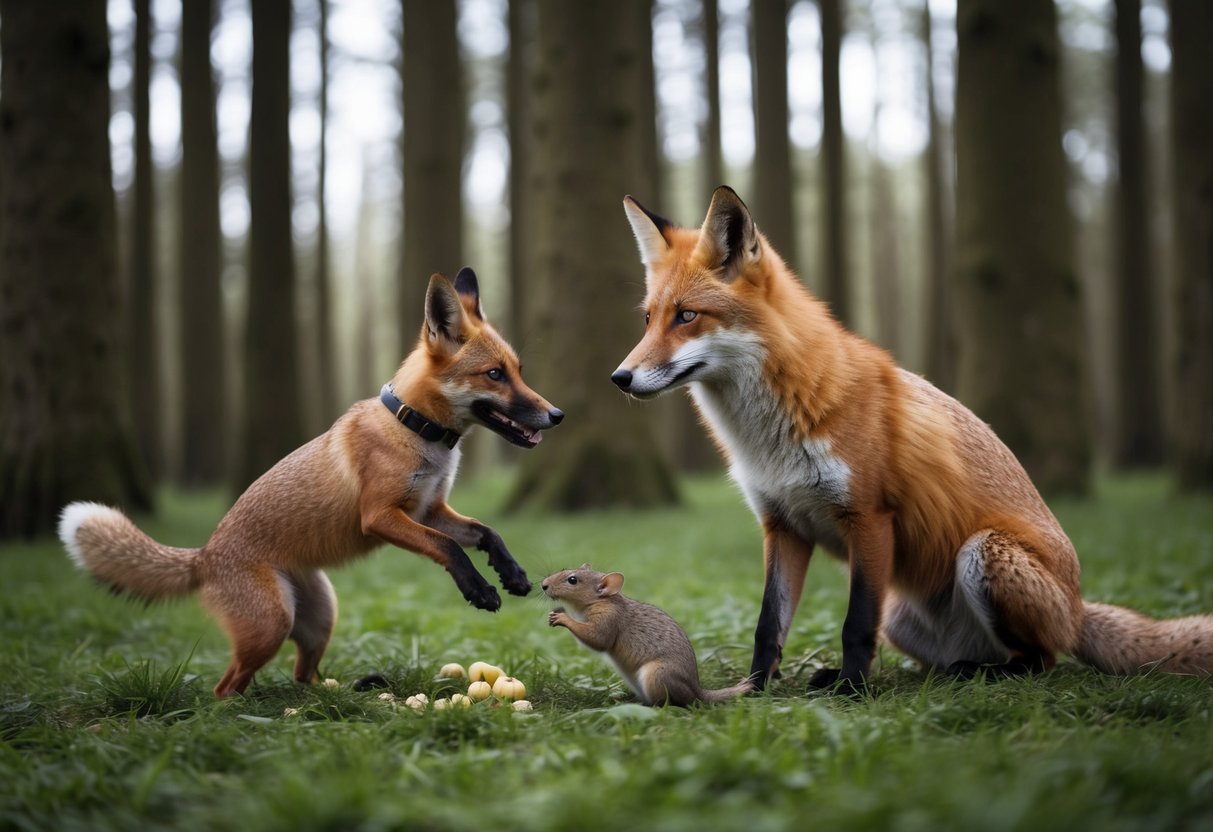
Foxes have developed many unique adaptations that help them thrive in various environments. Their physical and behavioral traits allow them to find food, avoid predators, and interact with humans. Understanding these adaptations provides insight into their role in the ecosystem.
Physical and Behavioral Adaptations
Foxes possess several distinctive features that enhance their survival. Their long muzzles and sharp canine teeth are perfect for catching small mammals. Additionally, they have strong molars that help them eat a varied diet. This diet can include anything from small rodents to fruits, making them omnivorous.
Their agility and nocturnal nature give them an advantage during hunting. With excellent night vision and keen hearing, they can detect prey even in low light. Moreover, foxes are known for their intelligence, which helps them adapt their hunting strategies.
Coloration also plays a role. Many foxes have fur that blends in with their surroundings, aiding in stealth. They often dig burrows or use existing dens for shelter, making their territory more secure.
Foxes and Human Interaction
Foxes have a fascinating relationship with humans. In some areas, they are considered wildlife while in others, they can be domesticated and kept as pets. Their adaptability allows them to thrive near urban environments, where they often scavenge for food.
You might notice that foxes are curious and often vocalize to communicate. Their sounds can range from barks to high-pitched screams, which are used for signaling territory or mating.
Breeding behavior is another interesting aspect. Foxes typically have a gestation period of about 53 days. During this time, they prepare their dens for raising kits, highlighting their strong parental instincts.
Foxes in Culture and Folklore
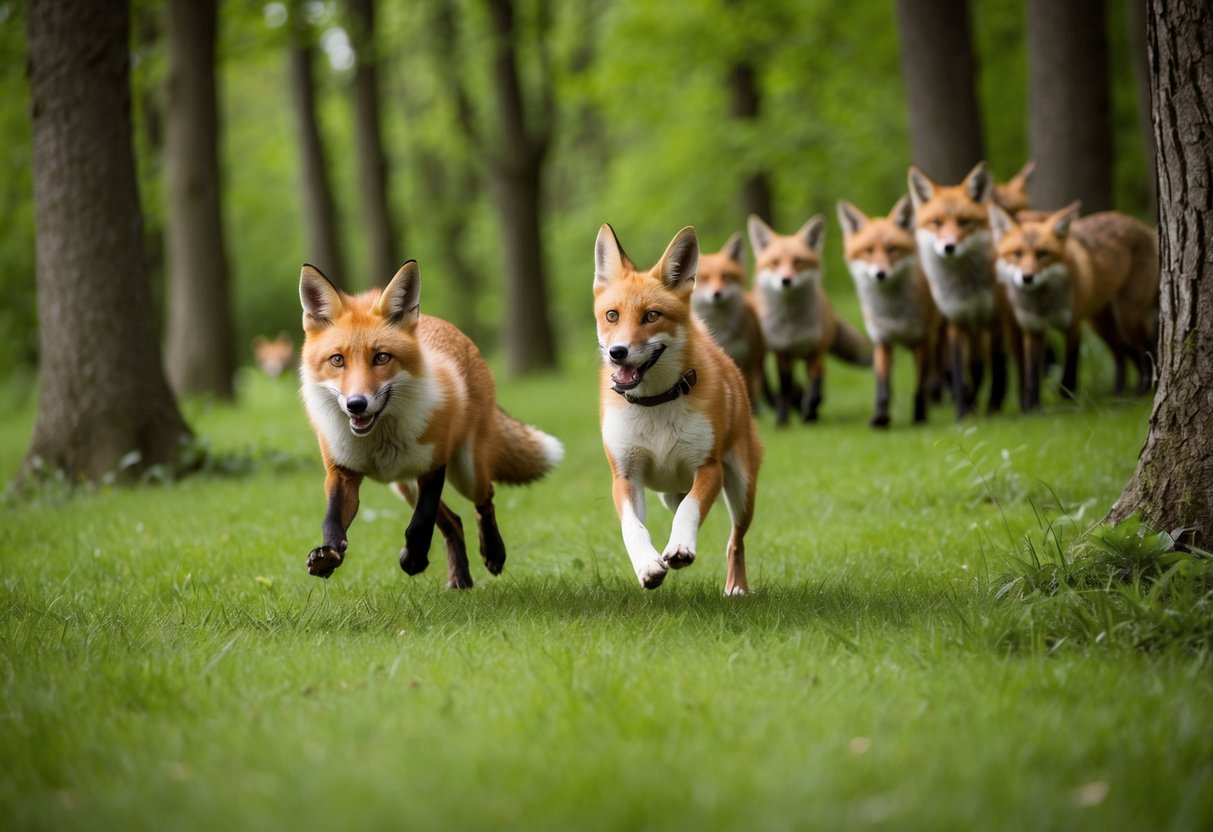
Foxes have a special place in many cultures around the world. They are known for their cleverness and adaptability. Red foxes, with their vibrant fur, often symbolize cunning in folklore.
In Native American stories, foxes are seen as tricksters, teaching lessons about cleverness and survival. Their bushy tails are often mentioned, symbolizing their agility and quick thinking.
The fennec fox, the smallest fox species, is known for its large ears and desert habitat. It represents adaptability in harsh environments. In some regions, this fox is admired for its beauty and cleverness.
In Asia, particularly in Japan, foxes are linked to the deity Inari. This connection makes them symbols of prosperity and fertility. Myths portray them as magical creatures with the ability to shape-shift.
Some people view them as pests, especially when they invade urban areas. Yet, their role in the ecosystem is vital.
Their evolutionary history is intriguing too. Foxes belong to the family Canidae, which includes dogs and wolves. They fall under the class Mammalia and the phylum Chordata.
With a lifespan of 3 to 4 years in the wild, foxes captivate you with their draw and charm. Whether it’s through stories or admiration in nature, foxes continue to be essential in culture and folklore.


