
When it comes to keeping foxes out of your yard, the height of your fence plays a crucial role. A fence should be at least 6 feet tall to effectively deter foxes, as these clever creatures can jump high and even climb. If you’re concerned about your pets or garden, knowing this can help you make the right choice for your fencing needs.
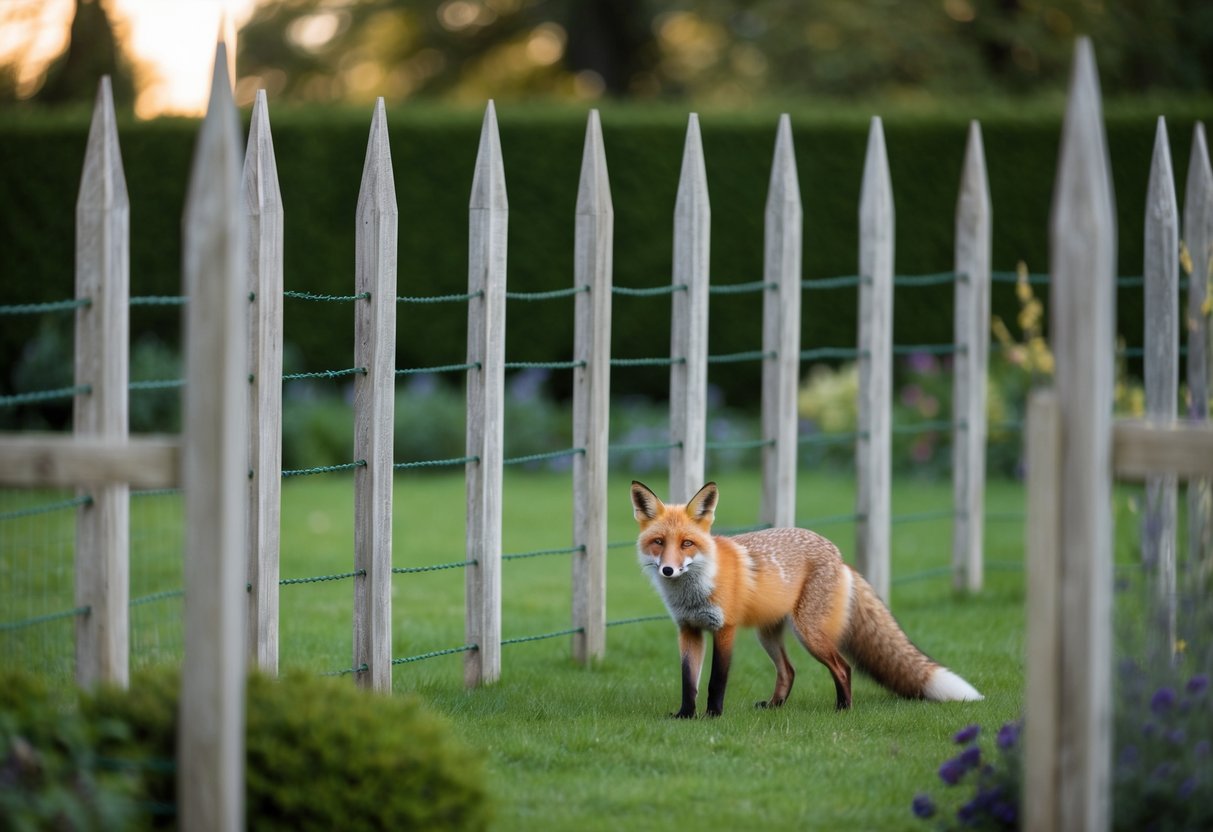
Foxes are known for their agility and intelligence. They can squeeze through small openings or dig under fences, so simply having a tall fence isn’t always enough. It’s important to think about additional measures, like adding an outward slope at the top of the fence, to further prevent them from climbing over.
If you live in an area where foxes are common, understanding how to keep them out is key to protecting your space. With the right height and design, you can create a safe environment for your pets and garden without much hassle.
Understanding Fox Behavior

Foxes are clever and adaptable creatures. To effectively keep them out, it’s important to understand their territorial habits and predatory instincts.
Territorial Habits and Dens
Foxes are known to be territorial animals. They often establish dens in secure locations, such as burrows or shrubs. These dens serve as their homes and breeding grounds. You might find foxes marking their territory with urine or feces, signaling to others that this area is claimed.
A typical fox territory can cover several square miles, depending on food availability. They prefer areas rich in small mammals, like rabbits and rodents. By knowing this, you can better plan your fence placement and design, ensuring it’s secure against their natural behaviors.
Predatory Instincts
Foxes are skilled predators with a keen sense of smell and hearing. Their hunting techniques often involve stalking and a quick pounce on unsuspecting prey. They primarily hunt for rabbits and rodents, making gardens and yards prime targets.
When searching for food, foxes are also diggers. If they detect movement or scent, they may attempt to burrow under fences. This behavior highlights the need for proper fence depth and height. A tall fence combined with buried barriers can help keep foxes away from your property and protect your garden.
Effective Fox Deterrent Strategies
To keep foxes away, you can use various deterrent strategies. Choosing the right fence design, considering electric fencing solutions, and using effective fox repellents can help maintain a fox-free yard.
Choosing the Right Fence Design
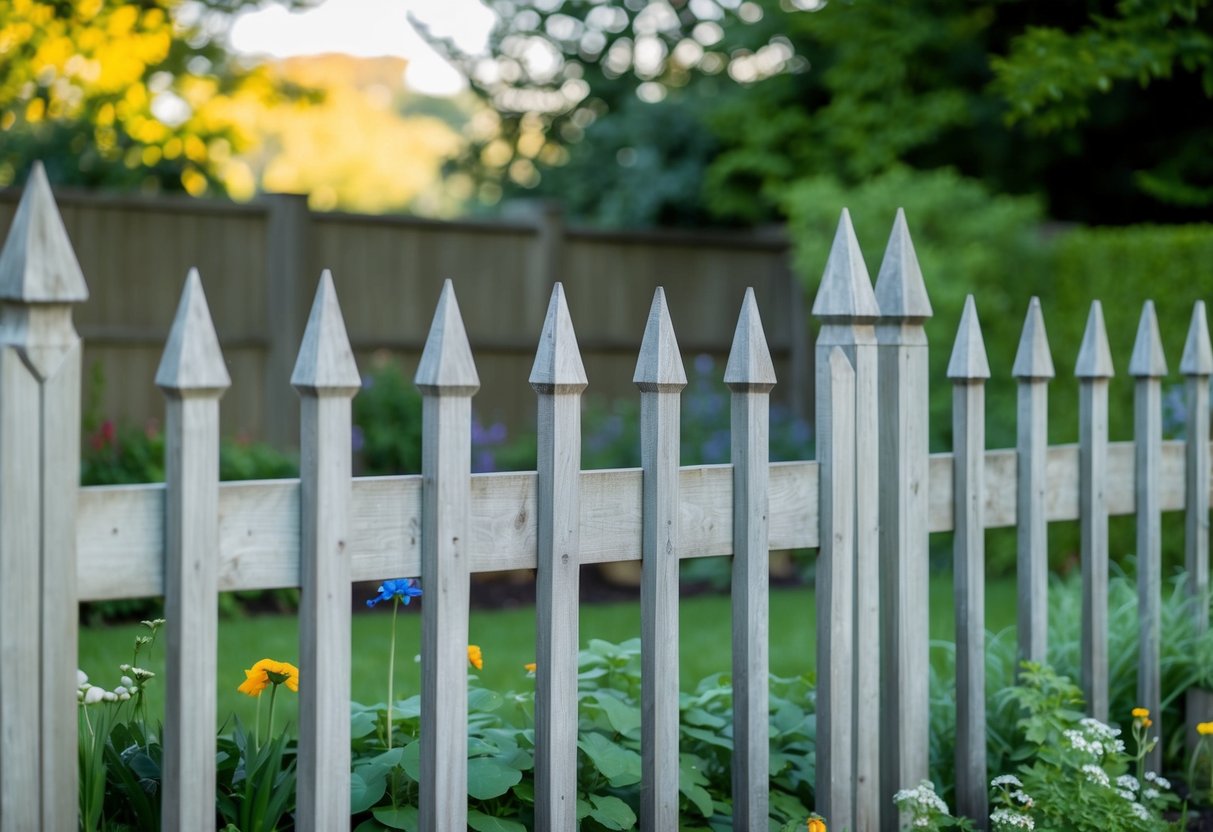
A strong fence is vital to deter foxes. To be effective, your fence should be at least 6 feet high. You might also consider adding an overhang that extends outward at a 45-degree angle. This design discourages jumping and climbing.
Make sure there are no gaps at the bottom or between fence panels. Foxes can squeeze through small spaces. You can use wire netting that is at least 0.9mm in diameter to prevent them from chewing through lightweight fences. Choose sturdy materials to improve durability around your yard.
Electric Fencing Solutions
Electric fences offer another effective way to keep foxes out. These fences use electric wires to deliver a mild shock when touched, which helps deter foxes from entering your property.
You can set them up along the top of your existing fence or create a standalone barrier. Make sure to follow all safety guidelines to ensure the fence doesn’t harm other animals or pets. Some models allow for adjustable voltage depending on your needs.
Regularly check the electric wiring to ensure it is functioning correctly. Keeping the line clear from debris also helps maintain the fence’s effectiveness.
Using Fox Repellents
In addition to physical barriers, you can use various fox repellents to keep them away. Methyl nonyl ketone is a scent that foxes dislike and can be sprayed around your property.
Another option includes aluminum ammonium sulphate, which can deter foxes by affecting their sense of smell. Ultrasonic devices create sounds that irritate foxes but are safe for other animals.
You can also try traditional methods like scarecrows or reflective objects, which may make your yard less inviting. These repellents can work well alongside fencing for a comprehensive fox control strategy.
Considerations for Keeping Foxes Away from Pet Enclosures
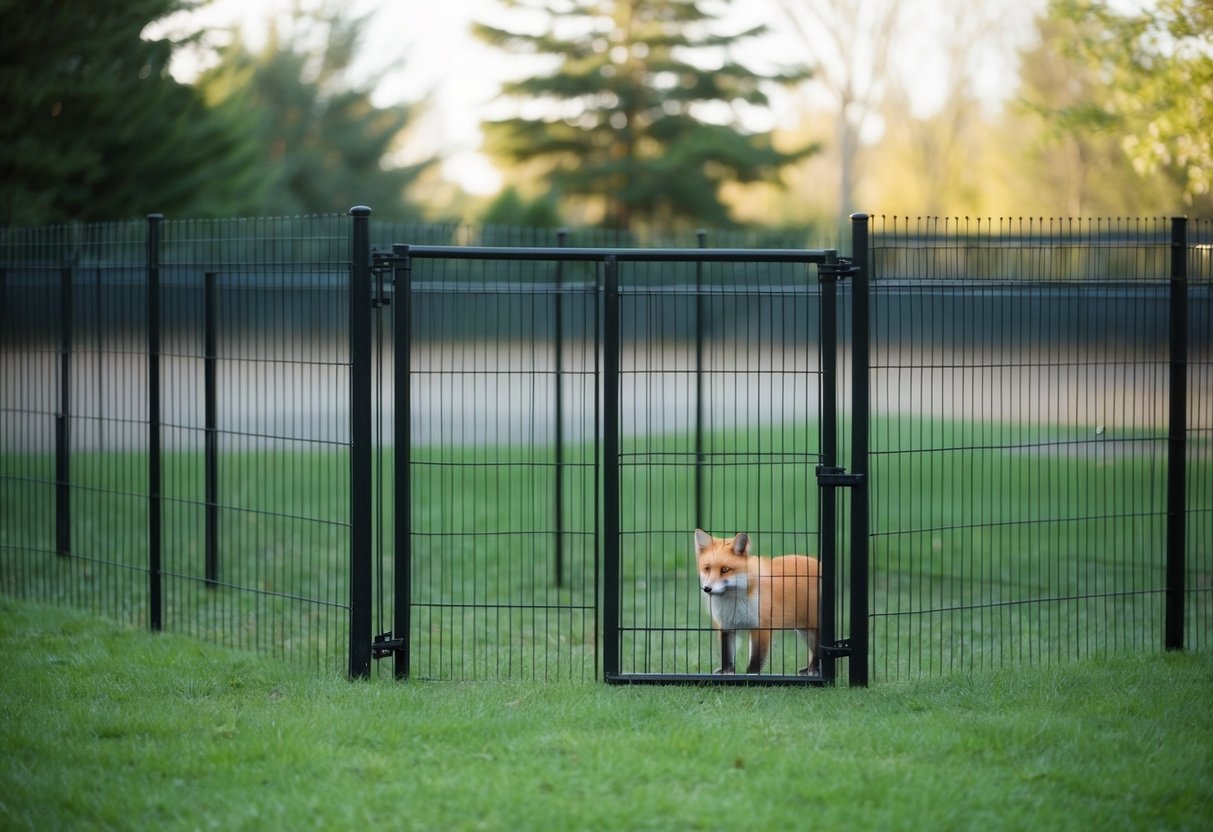
When it comes to protecting your pets, especially small animals like chickens and guinea pigs, there are a few essential factors to keep in mind. Implementing effective measures will help ensure their safety from foxes. Let’s explore how to best secure your pet enclosures.
Protecting Chickens and Small Pets
To keep your chickens and small pets safe, it’s crucial to have a solid plan. Start with a strong chicken coop that features sturdy walls and a secure roof. Use chicken wire for the fencing, but ensure it’s reinforced to handle digging.
A coop design with small entry points can deter foxes from trying to squeeze through. When letting your guinea pigs or chickens roam, supervise them. Consider using portable enclosures for added protection during playtime.
Reinforcing Enclosures Against Foxes
Reinforcing your pet enclosures can make all the difference. Beyond standard fences, consider installing additional barriers. A fence should be at least six feet tall and ideally have an outward slope to prevent climbing.
You might also bury chicken wire or mesh at the base of the fence to stop digging. Investing in fence kits designed for animal protection ensures a good fit and higher quality. Lastly, check regularly for weak points in the enclosure and repair them promptly.
Creating a Buffer Zone
A buffer zone can effectively reduce the chances of foxes getting close to your pet enclosures. Create a clear area around the fence where tall grass or shrubs are minimized. This makes it harder for foxes to hide while they approach.
Consider adding motion-activated lights or sound devices. These can startle foxes and deter them from lingering near your pets. A buffer zone can also serve as a space for planting non-toxic plants that won’t attract foxes.
Fence Maintenance and Upkeep

To effectively keep foxes out of your yard, maintaining your fence is as important as its height. Regular upkeep helps ensure your fence remains a reliable barrier against these clever animals. Here are two key areas to focus on for proper maintenance.
Regular Inspection and Repair
Frequent inspections of your fence are essential. Look for any signs of damage, such as rot, rust, or loose boards. Make sure that the wooden posts are sturdy and replace them if needed. Steel posts can provide better durability and support.
If you find gaps or breaks, repair them immediately. This could involve replacing sections or reinforcing weak spots. Additionally, consider using animal repellents to deter foxes further. Keeping your yard clean and storing pet food securely will also help reduce the attraction for these animals.
Preventing Climbing and Digging
To keep foxes from getting over or under your fence, use the right techniques. A solid wooden or vinyl fence of at least 6 feet high is recommended.
To prevent climbing, you can add a wire netting roof at the top of your fence.
For foxes that dig, burying a portion of the fence several inches underground can help. Installing a barrier made of heavy mesh or using guard dogs can also be effective.
Foxes hate open areas, so ensuring your yard has limited access points will secure it even more.


