
Arctic foxes are fascinating animals known for their playful nature and strong family bonds. If you’ve ever wondered how these clever creatures express their love for one another, you’re in for a treat. Arctic foxes show affection by grooming each other, playing, and even cuddling closely together. These behaviors help strengthen their social connections within their family groups.

Observing fox behavior can reveal much about their emotional lives. When arctic foxes want to connect, they often make soft whining noises, signaling their desire for closeness. They thrive in family units, where strong bonds are crucial for raising their young and ensuring their survival in harsh environments.
Your heart will surely warm when you learn more about the endearing ways these foxes interact. Whether through playful antics or tender moments of grooming, arctic foxes demonstrate that affection is as vital to them as it is to us.
Understanding Fox Behavior and Communication

To truly appreciate how Arctic foxes show affection, it’s important to explore their unique ways of communicating. This includes vocalizations, body language, and social interactions. Understanding these behaviors can help you see how these fascinating creatures connect with each other.
Vocalizations and Body Language
Arctic foxes use a variety of sounds to communicate. They might make yelps, barks, or even screams to express different emotions. For example, a high-pitched yelp often indicates excitement or playfulness, while a low growl can signal aggression or warning.
Body language also plays a crucial role. When a fox feels comfortable, it may display relaxed posture and playful hops. If a fox raises its hackles or shows its teeth, it could be a sign of discomfort or a threat. Observing these cues helps you understand their feelings better and can enhance the bond of trust.
Scent Marking and Interaction
Scent marking is another important aspect of how Arctic foxes communicate. They often mark their territory with scent to relay information to others about their presence. This behavior plays a key role in socialization and establishing hierarchy within their group.
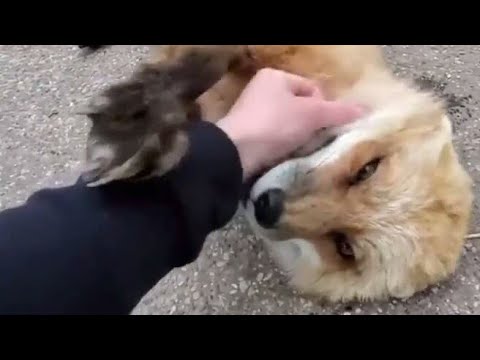
When interacting with each other, foxes may engage in gentle nuzzling or playful behavior. This form of interaction is especially common among family members. Tamed foxes can also show affection towards humans through similar behaviors, like cuddling. Recognizing these signs can increase your appreciation for their social nature and trust-building efforts.
Social Dynamics of Fox Affection
Foxes have unique social structures and behaviors that play a big role in how they show affection. Understanding these dynamics helps you appreciate the different ways they connect with each other and with humans.
Family Units and Monogamy
Arctic foxes live in family units. Typically, these units include a mated pair and their offspring. The mated pair often stays together, sometimes even mating for life. This strong bond between partners creates a stable environment for raising kits.
Within the family, foxes show affection through grooming and cuddling, strengthening their relationship. When kits are born, both parents take care of them, offering protection and food. This teamwork fosters a close family connection, allowing young foxes to learn social behaviors from their parents.
Domesticated vs. Wild Fox Behavior
Domesticated foxes have different ways of showing affection compared to wild ones. Tame foxes, often raised by humans, may display behaviors like wagging their tails or following their caretaker around. They can form strong bonds with humans, sometimes approaching them for petting or interaction.
In contrast, wild foxes are more solitary and cautious. They typically show affection mainly to their kits. While they may not express affection toward humans, they can still be curious. Human presence often leads to cautious behavior in wild foxes, making it important to respect their space.
Unique Fox Affection Behaviors

Foxes have some interesting and unique ways of showing affection. Their playful activities and nurturing behaviors highlight the bonds they create with each other and their young.
Playing and Cuddling
When foxes feel comfortable, they often engage in playful behaviors. You might see them chasing each other, pouncing, and rolling around on the ground. These playful interactions help strengthen their social bonds.
Cuddling is another way foxes express affection. They will snuggle closely together, especially during colder weather. This close contact keeps them warm, showing that they trust and care for one another.
You can spot signs of affection when a fox playfully nips at another or when they groom each other. Engaging in these behaviors shows their deep connections.
Fox Kits and Parental Care
Fox kits are particularly cute and full of energy. As a parent, you would see the adult fox caring for them with great attention. The mother fox feeds her kits and keeps them safe from danger.
You may notice how the mother fox interacts with her young. She nuzzles them or calls them to play. This ensures they grow up with strong bonds.
Additionally, fox parents teach their kits important survival skills through play. The games they play help the young foxes learn how to hunt and socialize. It’s a loving and essential aspect of fox life, highlighting their affectionate nature.
Human and Fox Interactions

When Arctic foxes interact with humans, it can reveal unique behaviors and signals of affection. These encounters can vary greatly, especially between foxes that live in urban settings and those that have developed connections with specific people.
The Bond with Favorite Humans
Arctic foxes can form a bond with humans who care for them, especially if they were raised in a human environment. These foxes may show affection by following their favorite humans around and engaging in playful activities.
Signs of affection may include:
- Purring: Similar to cats, they can purr when content.
- Cuddling: They might snuggle closely when feeling safe.
- Vocalizations: Tame foxes can make sounds that express comfort.
You may even notice them getting excited or playful when you come near. Feeding them favorite human foods like small pieces of meat or fruit can strengthen this bond.
Urban Fox Adaptations
In urban areas, Arctic foxes have adapted to human neighborhoods. They often scavenge for food near homes and parks. This behavior can create a unique interaction with people.
You may see foxes hanging around your house, especially if you have outdoor pets or gardens. They are naturally curious and can approach humans for scraps.
Urban foxes might display unique behaviors, such as:
- Scent Marking: They leave scents to communicate with other foxes.
- Playful behavior: They can be seen playing in yards or parks.
While they are naturally cautious, some have learned to be more comfortable around humans. This comfort can lead to surprising moments of connection and curiosity.


