
If you’re a pet owner, you might be curious about the safety of your furry friends around unusual animals. When it comes to Arctic foxes, it’s essential to know what potential risks they may pose. Arctic foxes are not inherently toxic to pets, but you should be cautious when introducing new animals into your home.

While Arctic foxes can be fascinating animals, they have specific dietary needs and behaviors that may not mesh well with your pets. You may wonder what could happen if your dog or cat encounters one. Understanding these factors can help you create a safe environment for both your pets and any Arctic foxes you may come across.
As you explore this topic further, it’s important to consider not just the risk of toxicity, but also the interactions that might occur. Knowledge is key to ensuring that all your animal companions stay happy and healthy.
Understanding the Arctic Fox

The Arctic fox is a fascinating wild animal, specially adapted to thrive in extreme cold. Let’s explore its habitat, behavior, and how it compares to other fox species.
Habitat and Behavior
Arctic foxes live in the cold, harsh environments of the Arctic tundra. They have thick fur that keeps them warm in temperatures that can drop below -50 degrees Fahrenheit. These foxes often create dens in snow or under rocks for shelter. They are known for their agile movement and can travel long distances in search of food.
In terms of diet, Arctic foxes are opportunistic eaters. They primarily hunt small mammals, such as lemmings, but will also eat birds, eggs, and even carrion. Their keen sense of hearing helps them locate prey under the snow. During the summer, they may eat berries and other vegetation to supplement their diet.
Arctic Fox vs. Other Fox Species
Arctic foxes differ from other fox species like the red fox and fennec fox in several ways. While red foxes prefer wooded or urban areas, Arctic foxes thrive in extreme cold. They have shorter ears and snouts, which help reduce heat loss. Their fur changes with the seasons: white in winter and brown or gray in summer.
Fennec foxes, native to the Sahara Desert, are much smaller and have large ears that help dissipate heat. In contrast, the gray fox can climb trees and is found between forests and open land. The swift fox and kit fox, both smaller species, adapt better to warm climates. Understanding these differences can help you appreciate the unique qualities of the Arctic fox amidst its relatives.
Arctic Foxes in the Pet Trade
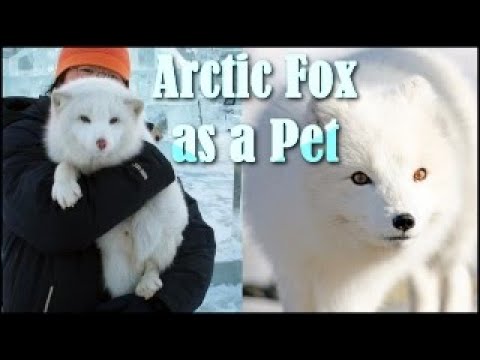
If you’re considering an Arctic fox as a pet, it’s important to know the legal and practical aspects of ownership. Arctic foxes have unique needs and certain legal requirements that can greatly affect your decision.
Legal Considerations of Exotic Pets
Owning an Arctic fox is not as simple as having a dog or cat. Many states have strict laws about exotic pets. Before you think about bringing one home, check your local laws.
Some areas may even require permits to own an Arctic fox. Failing to comply can lead to fines or the confiscation of your pet. It’s wise to contact your local wildlife agency for guidance.
Keep in mind that these regulations exist to protect both you and native wildlife. Having a pet that is illegal in your area can cause numerous problems down the line.
The Reality of Keeping an Arctic Fox as a Pet
While Arctic foxes are fascinating, they are not domesticated in the same way dogs and cats are. Their behaviors can be wild and unpredictable.
These animals require space to roam and special care to thrive. Socialization is key, as they may not easily adapt to a home environment. They also have a high energy level and need lots of enrichment to stay happy.
Consider the daily commitment involved in caring for an exotic pet like the Arctic fox. Regular vet visits with a veterinarian who specializes in exotic animals are also essential, as they may have specific health needs. In short, owning an Arctic fox is a serious responsibility that should not be taken lightly.
Health and Safety Concerns

When considering an Arctic fox as a pet, it’s important to focus on their specific health and safety needs. Understanding their dietary requirements and the importance of veterinary care will help ensure that your pet stays happy and healthy.
Toxicity and Dietary Requirements
Arctic foxes have unique dietary requirements. They are carnivores and thrive on a diet that includes meat, organs, and bones. Avoid feeding them human food, as some items can be toxic. For example, chocolate, onions, and grapes can harm them.
You should also consult with a veterinarian to ensure that your fox receives adequate nutrition. Supplements may be necessary to keep them healthy. Always avoid toxic plants in their living area. Providing a balanced diet is vital to prevent health issues in your pet.
Veterinary Care and Unique Needs
Your Arctic fox needs regular veterinary care. These animals are high energy. They need routine check-ups to monitor their health. They have different needs compared to common pets, so find a vet experienced with exotic animals.
Training your fox can be a challenge. House training is possible, but it requires patience and consistency. Be aware that fox bites can happen if they feel threatened. Proper socialization and training will help you build a trustful relationship with your pet, ensuring both your safety and theirs.


