
A chipmunk is a small, striped rodent in the squirrel family. You can spot one by its compact body, bold back stripes, and quick ground-level movement.
If you have ever wondered how does chipmunk look like, the short answer is that it looks like a tiny, alert forest squirrel with a slimmer build and a more obvious pattern on its face and back.
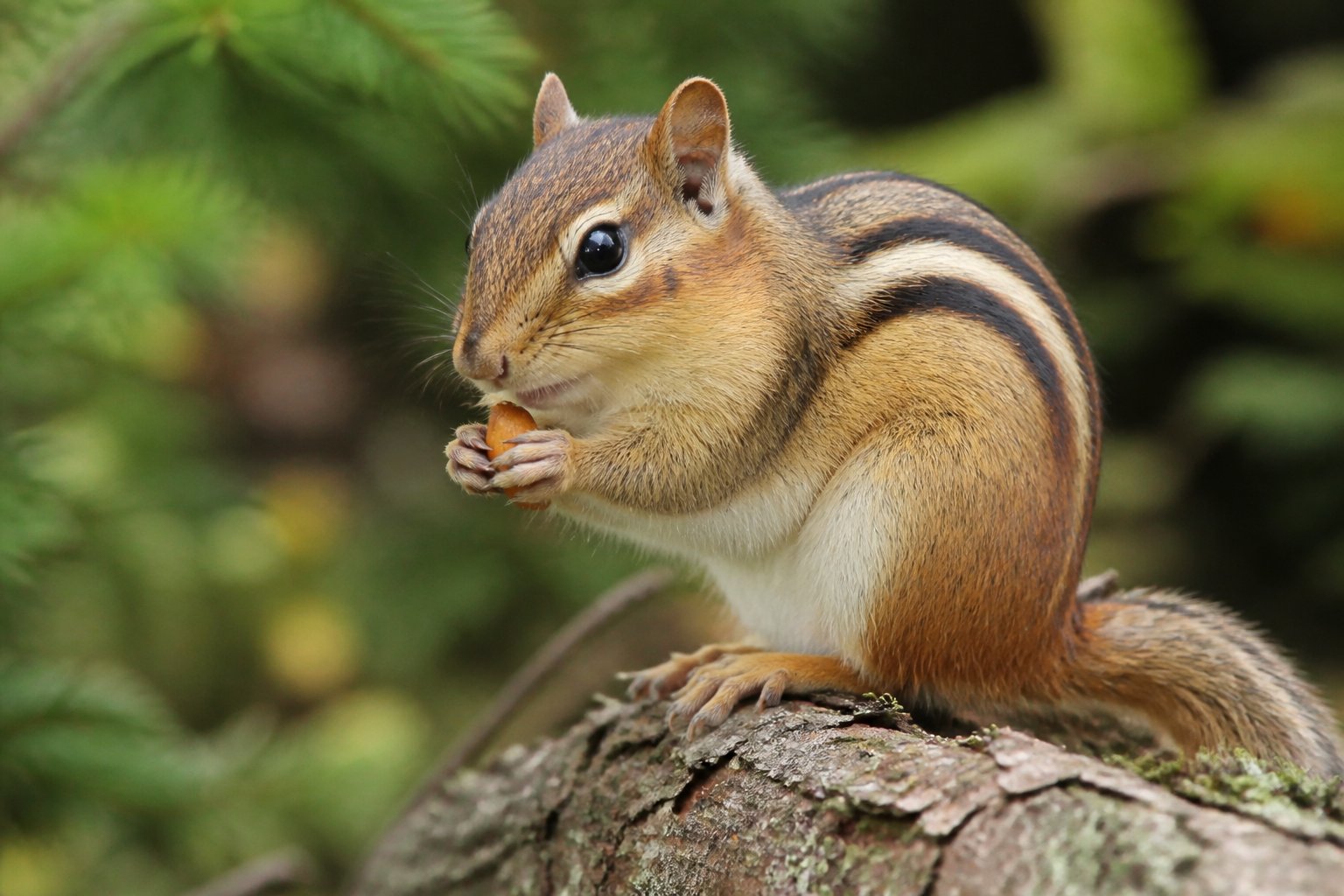
You can usually recognize a chipmunk by its small size, striped coat, cheek pouches, and habit of darting across the ground near cover.
These striped rodents appear most often in daylight, especially where rocks, logs, shrubs, or burrow entrances give them quick shelter.
Their look changes a little across chipmunk species, but the basic pattern stays familiar enough that you can identify one with a few fast visual clues.
The Fastest Ways To Recognize One
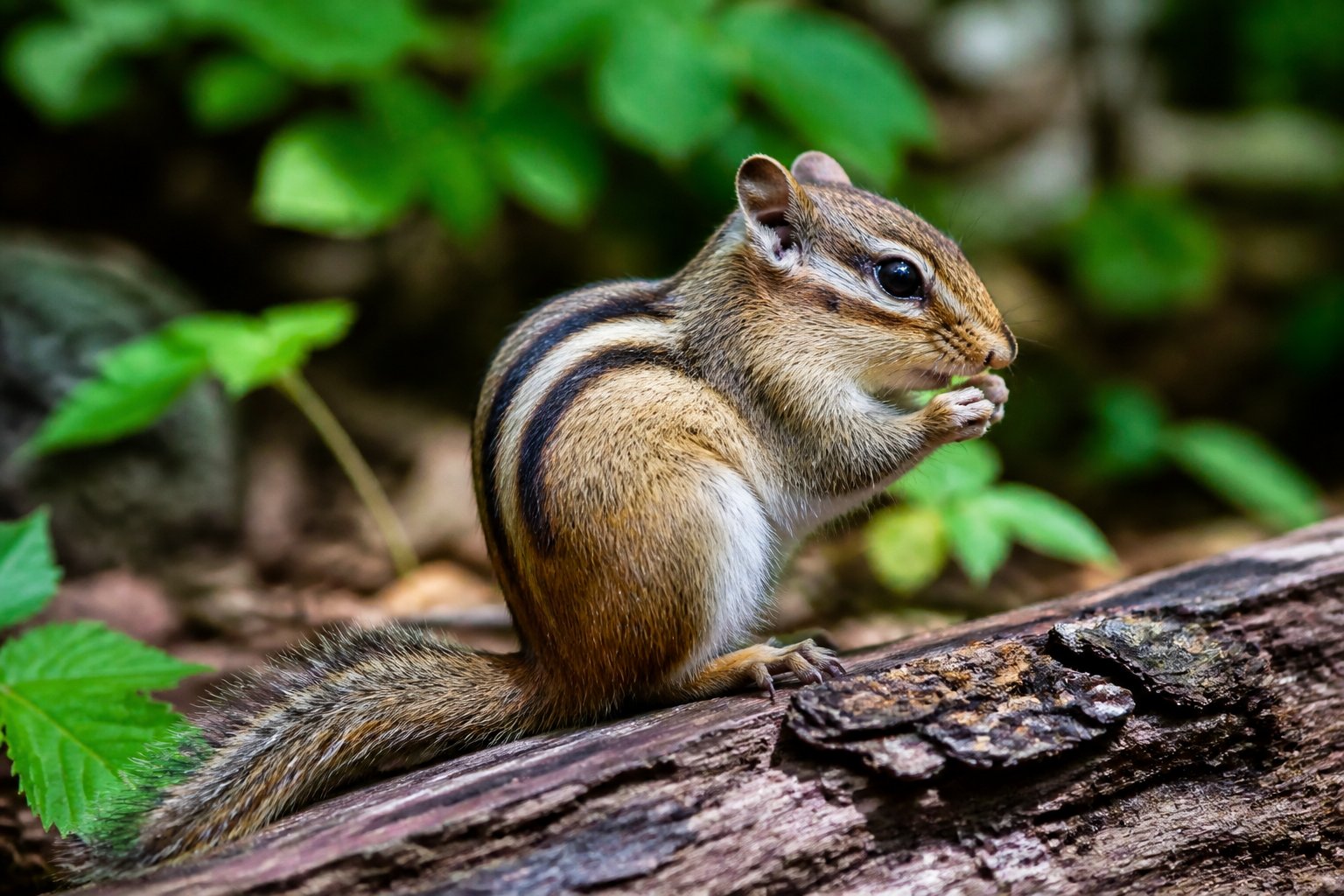
A chipmunk’s look centers on speed, camouflage, and food gathering. When you know what to scan for, the right answer usually stands out within seconds.
Body Size, Shape, And Tail
A chipmunk is small and slim, usually much shorter than the average squirrel. Most chipmunks measure about 8 to 16 cm in body length, with a furry tail that is shorter than the body in many species.
The body looks compact, almost like a tiny runner built for quick bursts. Baby chipmunks are even more delicate in shape, with softer features and less obvious pattern contrast.
Facial Markings And Dorsal Stripes
The easiest visual clue is the stripe pattern. Many chipmunks have dark and light dorsal stripes that run along the back, and some also show stripes on the face.
Those markings help separate them from plainer rodents and from many squirrels in the squirrel family. If the animal has a clean striped back and a pointed, alert face, you are probably looking at a chipmunk.
Cheek Pouches And Full-Cheeked Foraging
Chipmunks use their cheek pouches to carry seeds and nuts to storage sites. When the cheeks are full, the face can look round and stretched, which is a very strong clue.
That food-carrying habit is practical. A chipmunk often looks like a tiny backpack with legs when it is foraging hard.
How To Tell It Apart From Similar Animals
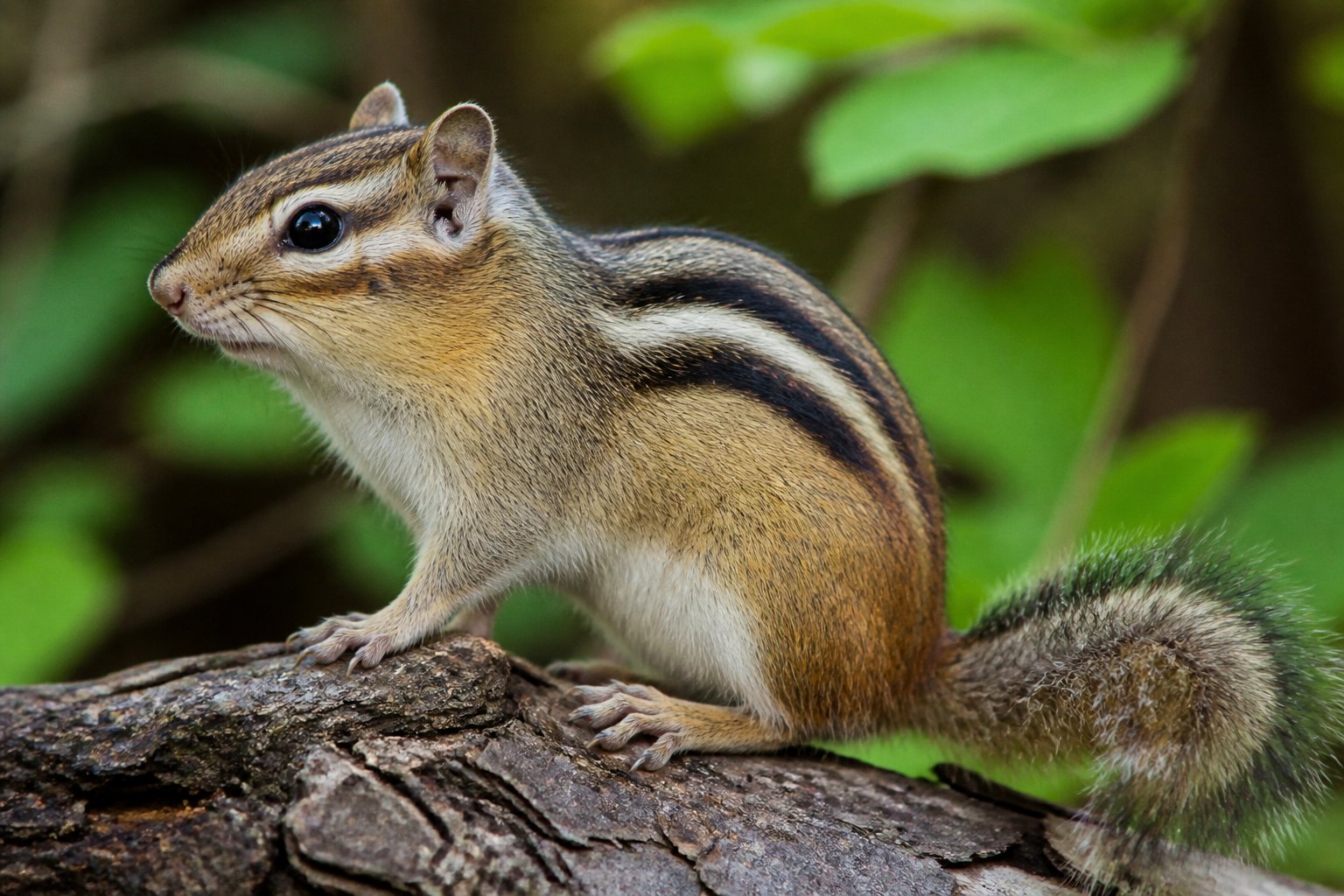
A quick comparison with other animals usually comes down to size, striping, and behavior. The easiest mistakes happen with tree squirrels and other striped rodents, especially when the animal is moving fast.
Compared With Tree Squirrels
Tree squirrels are usually larger, longer-bodied, and less sharply striped than a chipmunk. A chipmunk also tends to keep close to the ground more often, while tree squirrels spend more time in trees.
If you see a small, striped animal hugging rocks, logs, or low vegetation, that points more strongly toward a chipmunk than a typical backyard squirrel.
Compared With Ground Squirrels
Ground squirrels can look similar because they also live low and may have stripes or spotted coats. Chipmunks usually have a slimmer build and more distinctive facial striping.
A western chipmunk may be especially easy to mix up with other small striped rodents, so watching the body shape and stripe placement matters.
Why Its Ground Behavior Matters
Chipmunks move in short dashes, freeze often, and disappear into cover fast. They also spend a lot of time near burrows and natural hiding places.
That ground-focused movement helps separate them from animals that climb more often or roam more openly across open spaces.
What Changes Across Different Species
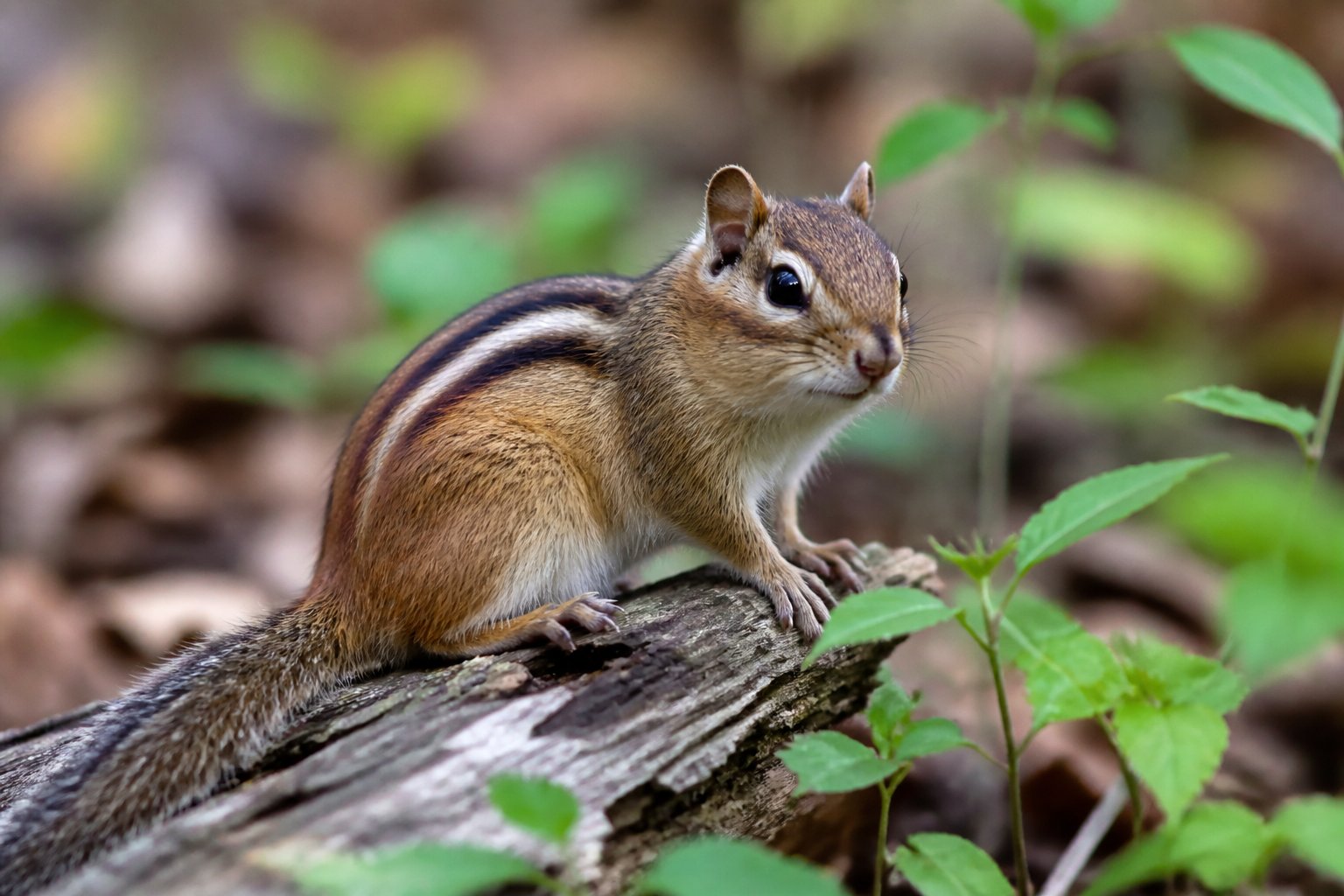
Different chipmunk species share the same basic body plan, but color, stripe pattern, and size can vary quite a bit. The eastern chipmunk is the classic example, while western forms and the Siberian chipmunk show how flexible the group can be.
Eastern Chipmunk As The Classic Example
The eastern chipmunk, Tamias striatus, is the familiar model most people picture first. It is the largest chipmunk, with reddish-brown fur and five dark brown stripes along the body, plus lighter stripes between them.
That bold pattern makes it a textbook example when you are learning how chipmunk identification works.
Least Chipmunk And Smaller Western Types
The least chipmunk, Neotamias minimus, is much smaller than the eastern chipmunk and can look daintier at a glance. Smaller western species often blend with rocks, dry brush, and open forest edges.
Names like gray-collared chipmunk, cliff chipmunk, colorado chipmunk, yellow-cheeked chipmunk, long-eared chipmunk, alpine chipmunk, and yellow pine chipmunk reflect how regional populations adapt to different habitats and color tones.
Siberian Chipmunk Outside North America
The Siberian chipmunk is the only Old World species and lives outside North America. Its range stretches across parts of Asia, which makes it the main exception among chipmunk species.
It still shares the same squirrel-family body plan and striping style, so it reads as a chipmunk even when the setting is very different.
Other Regional Species And Color Differences
Regional species can show subtle changes in stripe width, fur shade, and ear shape. A chipmunk in a rocky mountain area may look a little different from one in a shaded woodland.
Even so, the combined traits stay recognizable: small size, striped back, bright eyes, and a quick, alert posture.
Clues From Burrows, Holes, And Habitat
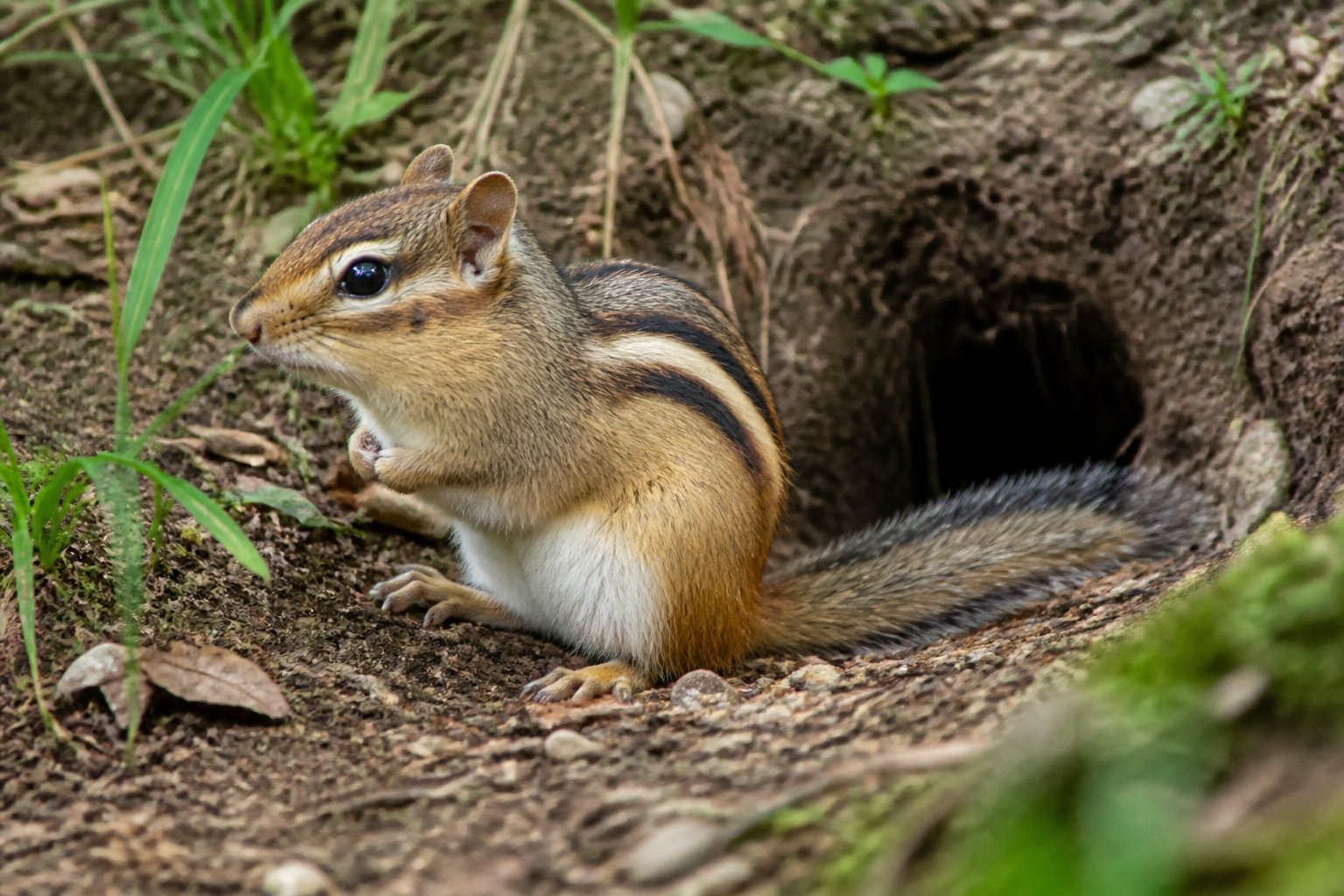
If you do not get a perfect look at the animal, its home can still tell you a lot. Chipmunk burrows and chipmunk holes often fit a small, fast ground dweller that needs safe storage and escape routes.
What Chipmunk Holes Look Like
Chipmunks dig small and neat holes with an opening that looks too narrow for a larger squirrel. You may also notice fresh soil near the entrance, though the setup is often less dramatic than a big mound.
A tidy opening near roots, rocks, or thick cover is a strong hint that chipmunks are active nearby.
What A Burrow System Reveals
Chipmunks build burrow systems that suggest frequent food caching and repeated use. They carry seeds and nuts in cheek pouches and store them in burrows for later use, so the entrance often sits near productive feeding areas.
If the burrow has multiple access points or runs into sheltered terrain, that matches chipmunk habits very well.
Where You Are Most Likely To See One
You are most likely to spot chipmunks in forests, wooded edges, and rocky ground. Places with plenty of cover attract them.
Britannica notes that chipmunks adapt well to many environments. You can find them in forests, alpine meadows, scrublands, and terrain with rocks or cliffs.
In the U.S., your best chance is often along trails or stone walls. Woodland edges and quiet backyard spots with many hiding places also attract chipmunks.


