
You’ve probably spotted a bushy-tailed critter in your yard and wondered—does it live in the trees or does it dig tunnels? Ground squirrels mostly hang out on or under the ground, digging burrows, while tree squirrels spend their lives climbing and leaping from branch to branch. This simple difference can tell you a lot about their habits, the risks to your garden or attic, and how to get along with them.

Let’s walk through the main features that separate ground squirrels from tree squirrels. I’ll point out the species you’re most likely to see and share how each one fits into its environment.
Ground Squirrel vs Squirrel: Essential Differences

You’ll notice ground squirrels and tree squirrels differ in their looks, tails, homes, and habits. These details make it easier to figure out which one you’re dealing with in your yard, at the park, or out in the open.
Physical Appearance and Body Size
Tree squirrels look slimmer and move with more agility. You’ll usually find Eastern gray and fox squirrels weighing around 400–600 grams, with long limbs that help them climb.
Their bodies seem stretched out, perfect for leaping between branches.
Ground squirrels have a chunkier build and shorter legs. Thirteen-lined ground squirrels or California ground squirrels weigh anywhere from 200–800 grams but look more compact.
Their bodies are built for digging and sprinting across open ground.
Check out their fur. Tree squirrels often have solid gray, red, or even black fur with lighter bellies.
Ground squirrels might show stripes or spots, like the thirteen-lined’s bands, or have grizzled fur that blends with the dirt.
Tail Features: Bushy vs Slender
A tree squirrel’s tail is a dead giveaway. These guys have long, bushy tails that help them balance and even act like tiny parachutes when they jump.
You’ll spot thick fur and a plume-like tail that stands out when they flick it or curl it over their backs.
Ground squirrels have shorter, less fluffy tails. Their tails look flatter and work well for signaling when they sit by their burrow entrances.
Some, like the California ground squirrel, do have moderately bushy tails, but they’re still not as fluffy as a tree squirrel’s.
Pay attention to how they use their tails. Tree squirrels wrap or flick theirs while climbing or when startled.
Ground squirrels flag their tails from the ground—sometimes to warn others, sometimes to give themselves a bit of shade on a hot day.
Habitat, Range, and Nesting Styles
Tree squirrels stick to forests, city parks, and suburban yards. They build dreys—messy nests of twigs and leaves—high up in tree forks or inside hollow trunks.
You’ll usually find these nests at least 20 feet off the ground, close to food like acorns or maple seeds.
Ground squirrels claim open land like grasslands, fields, pastures, and the occasional golf course. They dig burrow systems with separate rooms for sleeping, food, and raising young.
Some burrows stretch several meters and have a bunch of entrances for quick escapes.
Sometimes you’ll see both types in the same city. Tree squirrels own the trees, while ground squirrels take over open patches.
But in thick woods, tree squirrels dominate. In open, grassy places, ground squirrels dig in and multiply.
Behavioral Traits and Activity Patterns
You’ll usually spot tree squirrels during the day, darting across branches and hiding nuts. They don’t hibernate, but they stash food and hunker down in their dreys when the weather turns bad.
Tree squirrels get noisy when threatened, flicking their tails and chattering.
Ground squirrels also come out in daylight, but they tend to hang out in groups. Many live in colonies and use fancy alarm calls.
Some ground squirrels hibernate or get sluggish in cold places—like the Arctic ground squirrel—while others stay active all year.
Their diets differ, too. Tree squirrels go for nuts, seeds, buds, and sometimes eggs. Ground squirrels eat grasses, seeds, roots, and the odd insect they find on the ground.
Watching how they eat and the sounds they make can help you figure out who’s who.
If you want more details, check out Tree Squirrels Vs. Ground Squirrels: The Main Differences.
Popular Species and Unique Adaptations
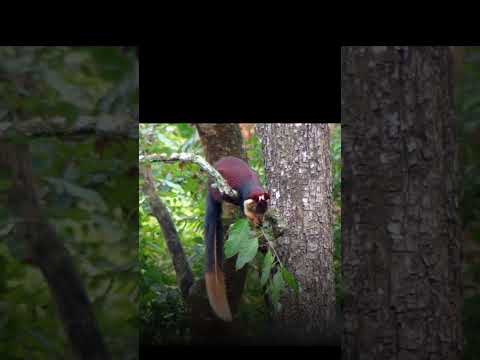
Let’s talk about which tree and ground squirrels you’ll most likely see, the features that stand out, and which ones change things up in winter.
Notable Tree Squirrels: Eastern Gray, Fox, and Red Squirrels
Eastern gray squirrels pop up everywhere in parks and neighborhoods. You’ll know them by their bushy tails, gray coats, and white bellies.
They nest in tree holes or build dreys up in the canopy. These squirrels hide nuts in lots of little spots and use memory and scent to find them again.
Fox squirrels are bigger and have a reddish or brownish tint. You’ll spot them in mixed woods and open city areas.
They prefer large trees and often use cavities for nests. Their size and boldness make them pretty easy to notice.
American red squirrels (and Douglas squirrels) are smaller and can be quite loud. You’ll often hear them defending their territory around piles of conifer cones.
They use middens—heaps of stored cones—and tiny tree holes more than big dreys. If you’re near a stand of conifers, you’ll probably see a red squirrel zipping around, busy as ever.
Distinct Ground Squirrels: California, Thirteen-Lined, and Marmots
California ground squirrels hang out in grasslands and rocky places. You’ll notice their peppered gray fur and short, not-so-fluffy tails.
They dig pretty complex burrows with several entrances and often perch up to watch for danger.
Thirteen-lined ground squirrels are small and easy to recognize by the stripes running down their backs. You’ll see them in open fields and short-grass spots where their pattern helps them blend in.
Marmots are the giants of the ground squirrel world. You’ll find them in mountain meadows and rocky slopes.
They make roomy burrows and use loud whistles to warn their group. Marmots like to bask on rocks during the day, so they’re not too hard to spot if you’re out hiking.
Hibernation and Seasonal Habits
Some ground squirrels, like the thirteen-lined and certain marmots, hibernate for months when winters get cold.
In late fall, you’ll notice less activity on the surface. These squirrels fatten up and seal their burrow entrances.
They spend winter in deep torpor, waking up now and then just to keep their bodies going.
Tree squirrels? They don’t really hibernate. Eastern gray and fox squirrels stay active all winter.
You’ll spot them using tree cavities or those messy-looking dreys to keep warm when it’s freezing out.
Red squirrels might keep defending their territory through snow, thanks to their well-stocked cone caches.
For both groups, seasonal habits really depend on where they live. Tree-dwellers count on cavities and dreys, while ground squirrels use burrows and sometimes huddle together to get through the cold.
If you’re curious about more differences, check out this article on tree squirrels vs. ground squirrels.


