
Looking for a quick answer? Squirrel droppings are bigger, rounder, and usually lighter—think tan or brown. Rat droppings, on the other hand, are smaller, pointier, and darker. Size, shape, and color give you a fast clue about which critter left those droppings.

If you’ve found pellets in your attic, garage, or yard, this guide should help you figure out what you’re dealing with. I’ll walk you through how to tell them apart and what the droppings might mean for your health.
Keep these visual tips in mind as you go. Knowing the difference could save you a headache and help you pick the right way to clean up or call for help.
How to Identify Squirrel Poop vs Rat Poop
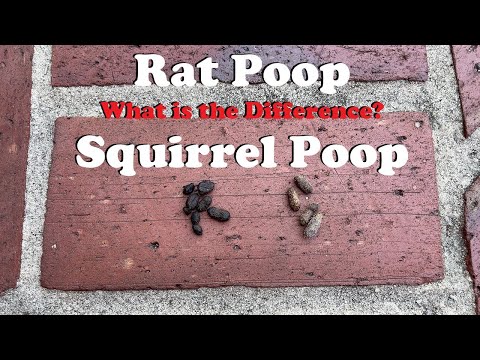
You can spot the difference between squirrel and rat droppings by checking size, shape, color, and where you find them. Just look closely and see where the pellets pile up.
Physical Characteristics: Size, Shape, and Color
Squirrel poop usually looks like little barrels or raisins. The pellets run about 3/8 inch long, a bit thick, and have rounded ends.
Color can be light brown or reddish, depending on what the squirrel ate. Sometimes you’ll spot bits of seeds or nuts mixed in.
Rat droppings look slimmer and more uniform. Most rat poop is 1/4 to 1/2 inch long, but big rats leave pellets up to 3/4 inch.
Ends are more pointy or sausage-shaped, and fresh pellets look dark brown or nearly black. They’re smooth and kind of shiny.
Quick checklist:
- Squirrel: barrel-shaped, rounded ends, lighter or reddish.
- Rat: thinner, tapered ends, darker and shinier.
- Mouse: much smaller (1/8–1/4 inch), rice-like.
Locations and Distribution Patterns
Check where you find the droppings. Squirrels usually leave poop in attics, crawl spaces, woodpiles, or around bird feeders.
You’ll see scattered pellets under rafters or near nests because squirrels move around and drop as they go.
Rats stick to walls, pantries, basements, and spots with food. You’ll often find a bunch of pellets in a row or clustered near entry points.
Inside, rat droppings show up near garbage, pet food, or boxes.
Outside, squirrel scat turns up on tree branches, decks, and flower beds. Rats leave droppings near burrows, fences, or thick plants.
Pay attention to where you see the droppings. It helps you figure out which animal you’re dealing with.
Texture, Odor, and Quantity Comparison
Fresh squirrel droppings feel firm and a bit rough. When they dry out, they crumble and sometimes show plant bits.
Squirrel poop doesn’t smell much unless it’s really fresh.
Rat droppings feel smooth and moist at first, with a stronger odor. When they dry, they get hard and brittle but stay glossier than squirrel pellets.
If you see a lot of rat droppings in one spot, you probably have an active infestation.
Compare amount and smell:
- Scattered barrel pellets? Probably squirrel.
- Lots of smooth, dark pellets with a strong odor? Likely rats.
- Tiny, frequent rice-like pellets? That’s probably mice.
Don’t touch droppings with bare hands. Put on gloves and a mask, and follow health guidelines for cleanup.
Want more details? Check out squirrel poop vs. rat poop.
Health Risks and Proper Handling of Rodent Droppings
Rodent droppings can carry bacteria and viruses that might make you sick. Treat any droppings as risky and take steps to clean up safely.
Diseases Linked to Squirrel and Rat Feces
Both squirrel and rat poop can carry germs. Rat feces might have hantavirus, leptospirosis, and salmonella, which can cause serious breathing or stomach problems.
Squirrel droppings sometimes carry salmonella and parasites. In rare cases, you might run into tularemia or LCMV.
You can get sick by breathing dust from dried droppings, touching dirty surfaces, or handling nests. Kids, older adults, and people with weak immune systems face higher risks.
If you feel sick—think fever, stomach pain, or trouble breathing—after finding rodent droppings, see a doctor and mention the exposure.
Safe Cleanup Practices and When to Call Professionals
Don’t sweep or vacuum fresh droppings. That stirs up dust and germs.
Open windows and air out the area for half an hour. Spray droppings with disinfectant or a bleach solution (1 part bleach to 10 parts water) until they’re damp.
Wear disposable gloves, an N95 mask, and eye protection. Use paper towels to pick up the waste, seal them in a bag, and toss them in the outside trash.
Clean tools and surfaces again, and wash your hands well.
If you find a lot of droppings, see nests in walls or attics, or notice lots of gnaw marks, it’s probably time to call a pest control pro. They’ll check for squirrels or rats, remove nests safely, and handle traps or insulation.
If you worry about hantavirus, definitely let professionals handle it.
Signs of Infestation and Prevention Methods
Watch for clustered piles—those are often squirrel nests—or scattered trails of pellets, which usually mean rats. You might spot nests built from shredded insulation or bunches of leaves.
Check for visible gnaw marks on wood or wiring. Sometimes, you’ll notice tunnels burrowed through insulation.
Rats tend to make loose, hidden nests. Squirrels, on the other hand, build more organized nests, usually tucked away in attics or up in roof spaces.
To prevent infestations, seal up entry points using steel wool, hardware cloth, or even sheet metal around vents and eaves. Trim tree branches so they’re at least 8 to 10 feet away from the roof—otherwise, squirrels will find their way in.
Keep food stored in sealed containers. Take down bird feeders at night, and fix any leaks to cut down on damp spots that attract rodents.
If you’ve tried all this and still have problems, consider calling a professional pest control service. They can inspect, seal gaps, and set traps where needed.


