
Ever watched a chipmunk dash through your yard and wondered how big those speedy little critters actually get? Chipmunks, with their bold stripes and quick reflexes, come in a surprising range of sizes depending on their species.
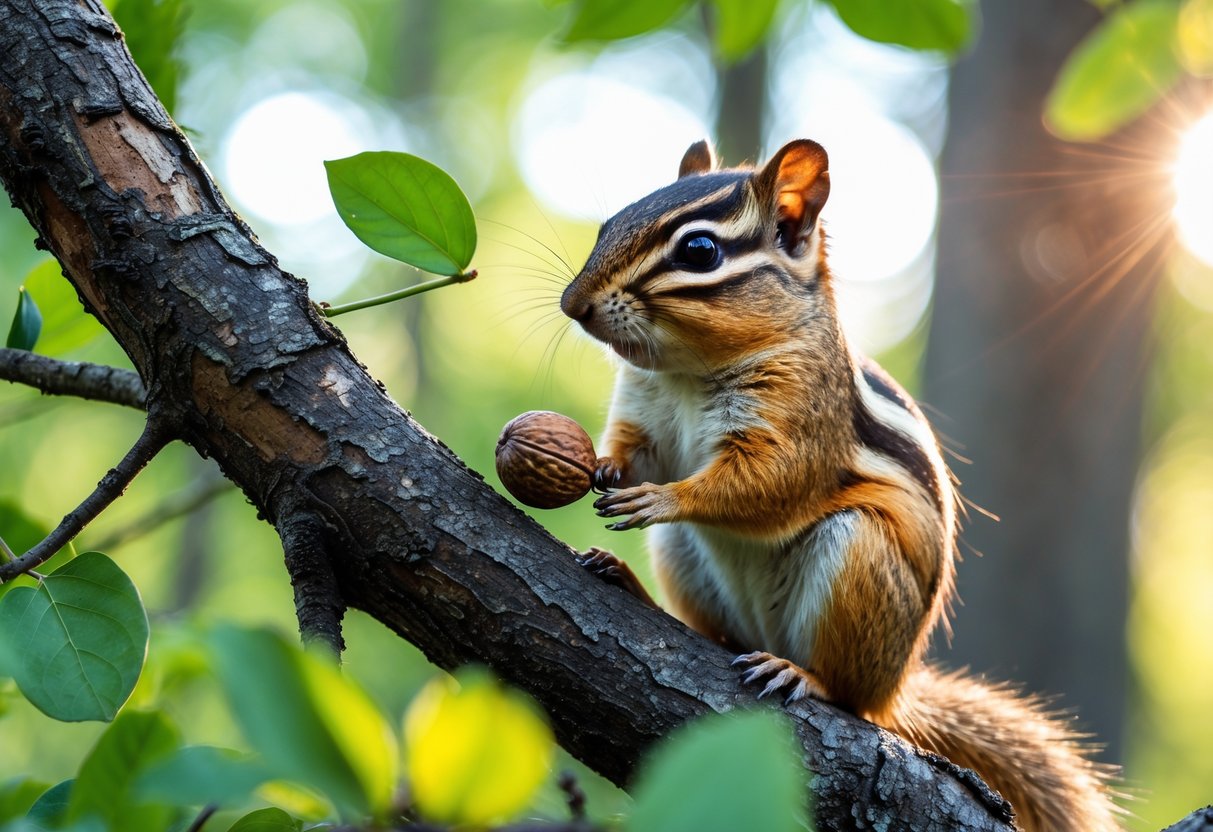
Most chipmunks measure about 4 to 7 inches long, not counting their tails, which add another 3 to 5 inches. They usually weigh somewhere between 1 and 5 ounces. The eastern chipmunk, which is actually one of the biggest types, can stretch up to 12 inches from nose to tail tip. Knowing their size gives you a better sense of how they behave and how they fit in among other backyard wildlife.
Maybe you find them adorable, or maybe you’re just curious about critters that share your neighborhood. Either way, chipmunks are genuinely interesting animals. There are a few things about their size that might surprise you. If you want to dig deeper into the details, check out this Eastern Chipmunk Fact Sheet.
How Big Can a Chipmunk Get?
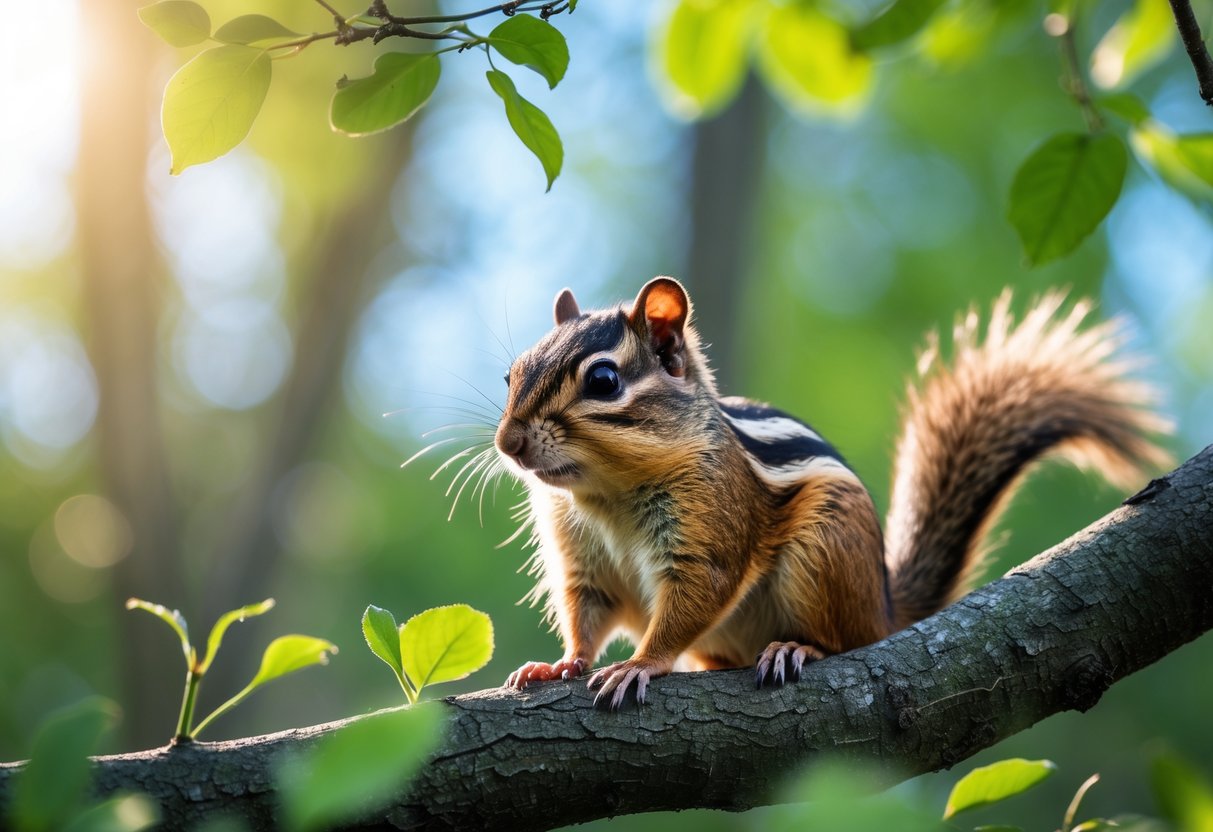
Chipmunks are definitely small mammals, but their size depends a lot on the species. You’ll notice differences mostly in their length and weight.
Their growth changes fast as they go from tiny babies to adults.
Typical Size Range by Species
Most chipmunks fall somewhere between 4 and 7 inches long, not counting the tail. Their tails usually add another 3 to 5 inches.
They tend to weigh between 1 and 5 ounces. These numbers cover most species, like the least chipmunk and the eastern chipmunk.
The least chipmunk (Tamias minimus) sits at the smaller end of the spectrum. The eastern chipmunk (Tamias striatus) grows bigger, sometimes up to 12 inches long if you count the tail.
Compared to other rodents, chipmunks are on the small side. Their compact bodies help them zip through forests and gardens with ease.
Size Differences: Least Chipmunk vs. Eastern Chipmunk
The least chipmunk is the tiniest of North American chipmunks. They grow to about 4 or 5 inches long (without their tail) and weigh just 1 to 2 ounces.
They’re quick and perfectly built for wide-open spaces.
Eastern chipmunks are much larger. Adults can reach 9 inches in body length, plus a few more inches for the tail.
These chunky chipmunks tip the scale at somewhere between 3 and 5 ounces.
You can really see the difference when you spot both types. The eastern chipmunk looks noticeably bigger. Their size can affect where they make their homes and how well they dodge predators.
| Feature | Least Chipmunk (Tamias minimus) | Eastern Chipmunk (Tamias striatus) |
|---|---|---|
| Body Length | 4-5 inches | 7-9 inches |
| Tail Length | 2.5-3.5 inches | 3-5 inches |
| Weight | 1-2 ounces | 3-5 ounces |
Growth Stages From Juvenile to Adult
Newborn chipmunks are tiny and helpless. They start out weighing less than an ounce and measuring just a couple of inches.
As they grow, they gain weight and get bigger pretty quickly. From two to six weeks old, chipmunks almost double in size.
By six weeks, they’re ready to leave the burrow and start exploring.
Adult chipmunks reach their full size after just a few months. Most of the growth happens early on, and then things slow down. Their tails also get fluffier as they mature.
A chipmunk’s final size depends on its species, what it eats, and where it lives. Still, their growth pattern looks pretty similar no matter which kind you find in your yard.
Factors Influencing Chipmunk Size

A few things shape how big a chipmunk can get. What they eat and where they make their homes both matter a lot.
The food they find and the safety of their habitat can really impact their growth.
Diet and Nutrition in Chipmunk Growth
A chipmunk’s size depends heavily on its diet. Chipmunks are omnivores, so they munch on both plants and animals.
You’ll find them eating nuts, seeds, berries, insects, and sometimes even eggs or tiny birds.
Foods like acorns and peanuts give them the fats and proteins they need. A good mix of natural food keeps chipmunks healthy and helps them grow.
Chipmunks use their big cheek pouches to haul food back to their dens.
If a chipmunk finds plenty of berries, nuts, and insects while it’s out during the day (since they’re diurnal), it usually grows bigger and stronger. But if food is hard to find, or not very nutritious, they might stay smaller than average.
Habitat Impact on Chipmunk Size
Where your chipmunk lives really shapes how big it gets.
Most chipmunks pick spots with lots of trees—think coniferous forests or oak woodlands—since food’s easier to find there. These places give them good cover and a steady supply of things to eat.
When chipmunks have a safe home with enough room, they can stash away nuts, seeds, and berries. In better habitats, they dig long tunnels to hide out and store their food.
But if the area doesn’t have much to eat or there are too many predators around, chipmunks just don’t grow as large. They either run low on food or burn too much energy trying to stay alive.
A rich, safe forest really lets a chipmunk reach its full size, honestly.
If you’re curious, check out this chipmunk facts page.


