
Ever wondered if chipmunks bite hard? Well, yeah—they definitely can if they feel threatened or stuck. Most of the time, chipmunks act pretty shy and dart away from people, but if you try to hold one or trap it, you might get bitten. Their bites hurt and can surprise you, but they don’t usually break the skin.
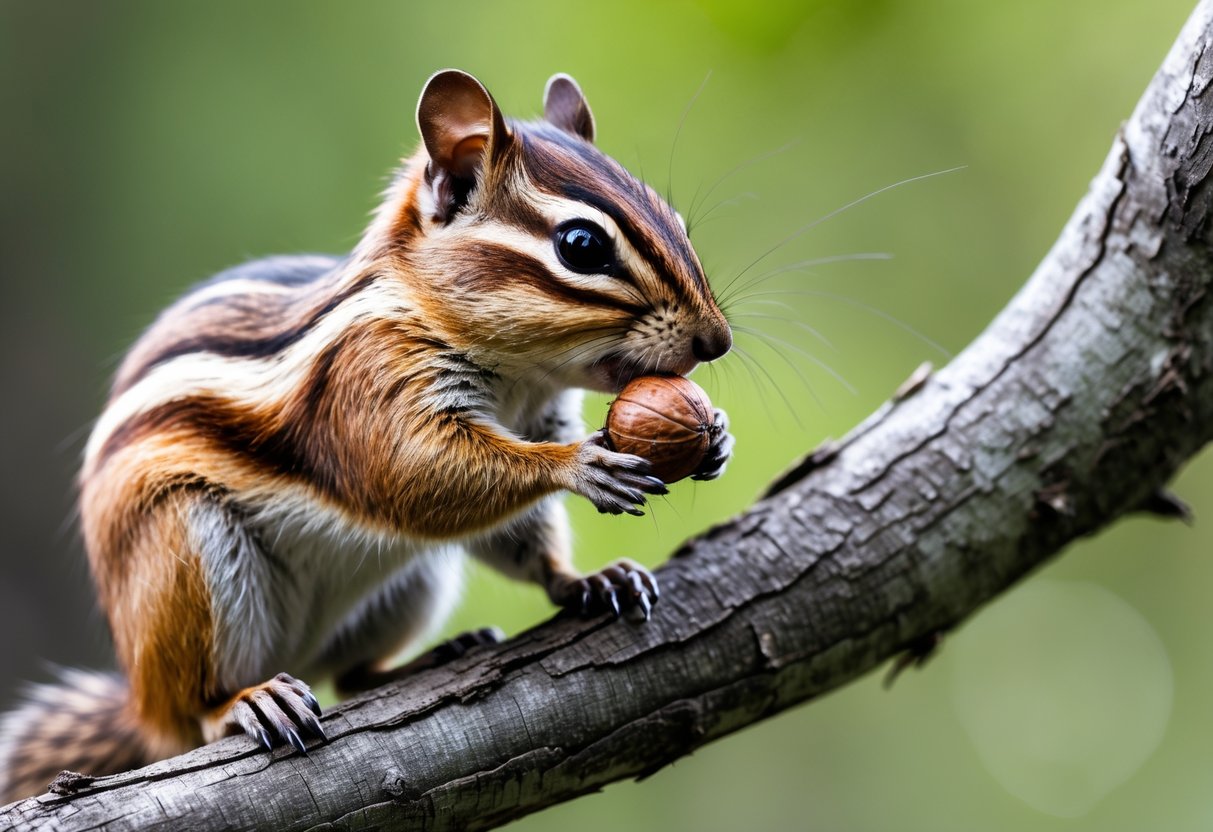
Chipmunks don’t go out of their way to hurt anyone. They won’t chase you or attack unless they’ve got a good reason. Most bites happen because the chipmunk feels scared and just wants to protect itself.
If you understand why chipmunks bite, you can avoid upsetting them. That’ll keep you safer if you ever run into one.
Curious about chipmunk behavior and how to deal with them? Keep reading for a better idea of what to expect.
Do Chipmunks Bite Hard?

Chipmunks bite when they feel threatened. How hard they bite really depends on the situation and the chipmunk itself.
Their bite isn’t as strong as bigger animals, but it still stings if you’re not careful. Knowing when chipmunks bite and how bad it can get helps you avoid trouble.
Chipmunk Bite Force Explained
Chipmunks use strong teeth to chew through tough nuts and seeds. Their bite can crack hard shells, but it’s nothing compared to what bigger rodents can do.
If a chipmunk bites you, you’ll probably feel a sharp pinch. Their teeth are sharp, so you might get a scratch or a tiny puncture.
When chipmunks get scared, they can bite down pretty hard. Usually, though, their bites don’t cause deep wounds.
It’s smart to treat any bite as if it could break the skin. Better safe than sorry.
Typical Situations When Chipmunks Bite
Most chipmunks just want to avoid people. If you try to pick one up or corner it, though, you’re asking for trouble.
A chipmunk that feels trapped or threatened uses a bite to defend itself. Sometimes young chipmunks, who haven’t learned to be afraid, might nip out of curiosity.
Aggression isn’t common, but a sick or stressed chipmunk could bite. Touching a wild chipmunk with bare hands makes a bite much more likely.
Severity of Chipmunk Bites in Humans
Chipmunk bites usually leave small cuts or scrapes. They hurt and might bleed a little.
The real risk comes from infection, since chipmunks carry bacteria in their mouths. If you get bitten, wash the spot with soap and water right away.
Keep an eye out for swelling or redness. If things get worse or you haven’t had a tetanus shot in a while, see a doctor.
Want more details? Check out this chipmunk bite guide.
Risks and Safe Handling After a Chipmunk Bite
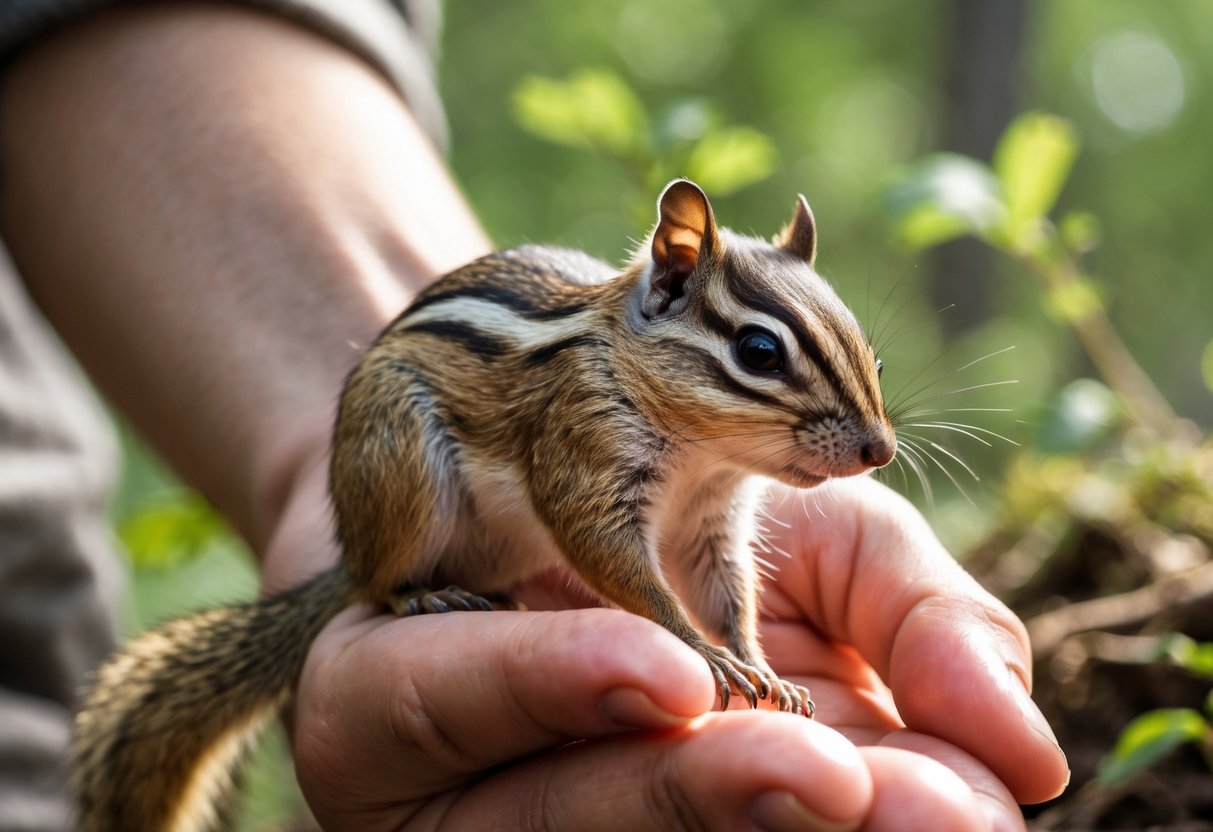
If a chipmunk bites you, it’s good to know what to do next. You should also know what health risks you might face.
Quick, careful action can help you avoid bigger problems.
Potential Health Concerns from Chipmunk Bites
Chipmunks don’t usually carry rabies, but their bites can cause infections. Bacteria from their mouths can lead to swelling, pain, or pus.
You might notice signs of infection after a few days. Watch for fever or if the pain gets worse.
Even a small bite can be a problem if it breaks the skin. Bites near your eyes or mouth need extra attention.
Chipmunks can carry other germs, so infection is the main thing to worry about.
First Aid Steps for Chipmunk Bites
First, wash the bite with soap and warm water right away. This helps clean out any bacteria.
Cover the wound with a clean bandage. If you see redness spreading, swelling, or if the wound looks serious, go see a doctor.
They might give you antibiotics just to be safe. Make sure your tetanus shots are current to help prevent other issues.
Rabies Risk and Wild Chipmunk Bites
Chipmunks almost never spread rabies to people. In fact, rabies cases from chipmunks are extremely rare—basically unheard of.
Still, you should take any animal bite seriously. Did the chipmunk seem sick or act weird? Let your doctor know right away.
Your doctor might want to talk about rabies prevention, just to be careful. For wild chipmunks, the advice usually depends on how bad the bite is and if anyone can test the animal.
Play it safe and check with a healthcare professional. If you want more details about rabies risk from small rodents, you can find info at the Wisconsin Department of Health Services.


