
Ever wonder why people seem to have it out for chipmunks? These tiny, zippy animals dart around gardens and parks, and yet, they get a bad rap. A lot of the frustration comes from the idea that chipmunks ruin property—digging tunnels, messing with foundations, sneaking into attics. But honestly, chipmunks don’t cause real damage to homes or cars. Most of those stories? They come from pest control companies trying to make a buck.
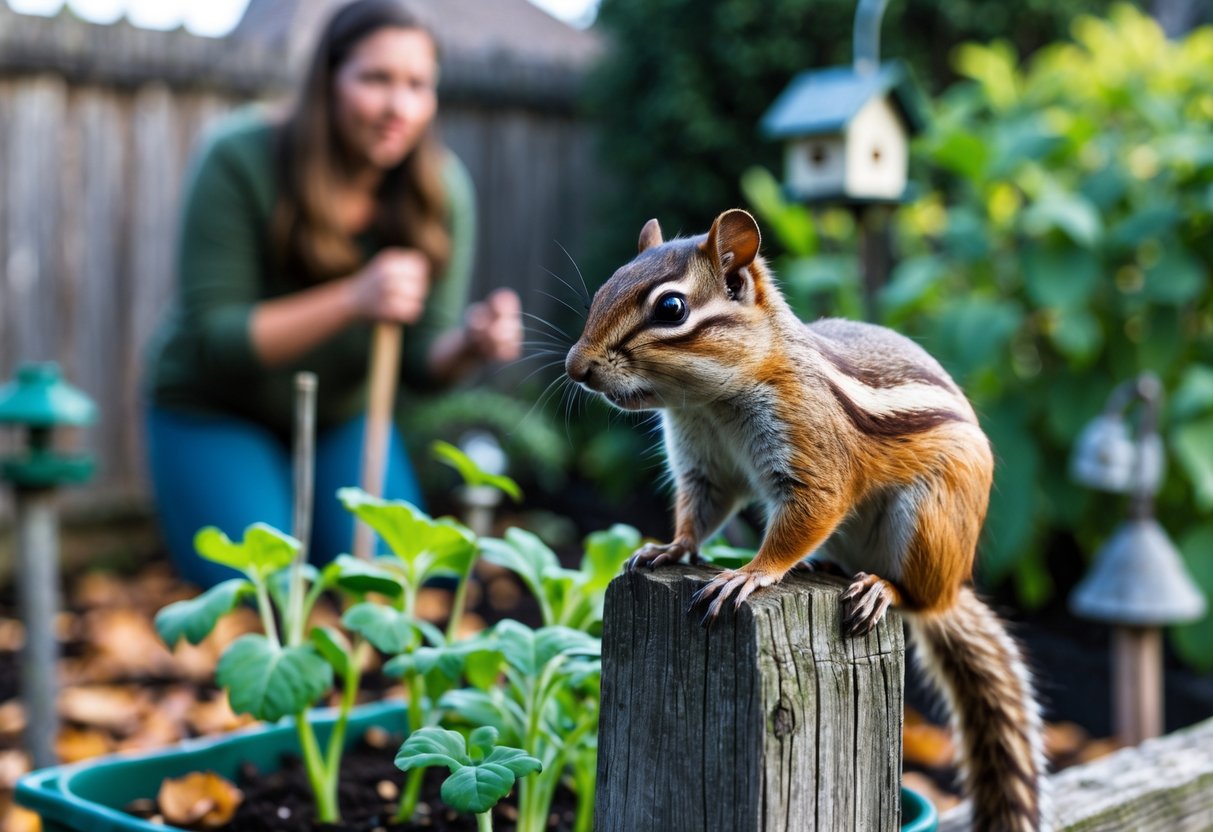
Some folks get annoyed when chipmunks raid gardens or bird feeders. Still, chipmunks actually help out by spreading seeds and fungi, which improves soil health. The dislike often grows from myths and misunderstandings, not real issues.
Once you get to know chipmunks’ habits and benefits, you might start to see them as harmless neighbors rather than pests.
If you’ve ever felt irritated by a chipmunk in your yard, it might help to realize they really prefer to stay away from humans. They cause only minor trouble, if any. Knowing a bit about their behavior makes it easier to live alongside these little creatures, even if they occasionally test your patience.
For more details, you can check out why chipmunks are often misunderstood by the public.
Why Do People Hate Chipmunks?

A lot of people get annoyed by chipmunks because of what they do to gardens, homes, and food. Their digging and quick dashes can get on your nerves. Some folks lump chipmunks in with other pests, which doesn’t help their reputation.
Garden and Yard Damage
Chipmunks sometimes munch on plants, bulbs, or fruit in your garden. If you take pride in your yard, this can be irritating.
But honestly, the damage they cause is usually pretty minor compared to other pests. Chipmunks actually help out by spreading seeds and eating bugs, which can boost plant growth and keep insects in check.
You might see a few chewed leaves here and there, but they play a helpful role too. The eastern chipmunk, which lives in a lot of places, does more good than harm in most gardens.
Burrowing and Structural Problems
People often complain about chipmunks digging tunnels. They make little burrows near your yard or home. You might worry these tunnels could mess with your foundation or lawn.
Chipmunks dig small, shallow tunnels that don’t really hurt buildings. Their burrows are way smaller than the ones ground squirrels dig.
These tunnels are just their homes and food storage spots. If you spot holes, they might look scary, but the damage is usually just loose dirt or some messed-up grass.
Chipmunks don’t nest in your attic or walls. They’re not as invasive as other burrowing animals.
Food Theft and Plant Eating
Chipmunks are always searching for food. You might catch them swiping seeds from bird feeders or nibbling on your veggies.
It can feel like they’re ruining your hard work, but they’re just foraging. Chipmunks eat nuts, seeds, fruit, and insects. Sure, they’ll nibble on things you care about, but they don’t wipe out your crops or wreck your whole yard.
Feeding birds can bring chipmunks around, so if you cut down on spilled seeds, you’ll see less of them. They’re not out to destroy your garden—they just take what’s easy to grab.
Comparisons to Other Pests
People sometimes mistake chipmunks for ground squirrels or mice. That mix-up makes chipmunks sound worse than they are.
Unlike some pests, chipmunks don’t invade homes or do big structural damage. They mostly live outside in their burrows.
Compared to pests that chew wires, ruin insulation, or spread disease, chipmunks are really not that bad. When you know the difference, it’s easier to see chipmunks as mostly harmless.
If you’re curious about how chipmunks live, check out this creature feature article about chipmunks.
What Chipmunks Dislike and How to Keep Them Away
If you’re trying to protect your yard from chipmunks, it helps to know what they don’t like. Strong smells, some plants, and natural predators can keep them away.
Using the right repellents can save your garden from holes and stop chipmunks from digging near your house.
Scents That Chipmunks Hate
Chipmunks have a sharp sense of smell. They really dislike strong scents like peppermint oil, vinegar, garlic, and cayenne pepper.
You can mix peppermint oil with water and put soaked cotton balls around your garden or by entry points. That makes a natural barrier.
Sprinkling cayenne pepper or garlic powder near flower beds and burrow entrances can also work. These smells overwhelm chipmunks and make them steer clear.
Even coffee grounds help if you scatter them where chipmunks roam. These natural repellents are simple to use and safe for your plants.
Natural Repellents and Deterrents
Besides scents, you’ve got other options. Try scattering crushed eggshells or used coffee grounds around plants chipmunks like.
These make the ground uncomfortable for chipmunks to walk on. Grated soap bars with strong smells, like Irish Spring, placed in bags can also keep chipmunks away.
The scent makes them uncomfortable, so they leave the area. Keeping your yard clean, getting rid of food scraps, and locking up pet food in rodent-proof containers helps too.
Plants That Repel Chipmunks
You can plant certain flowers to naturally keep chipmunks away. Daffodils and marigolds are great choices.
These give off scents chipmunks don’t like. Planting mint or peppermint along your garden borders not only looks good but also keeps chipmunks at bay.
Garlic and onions work too—their smell in the soil stops chipmunks from digging. Using these plants as a barrier is a smart way to deter chipmunks, and you get a prettier yard out of it.
Predators and Other Deterrent Methods
Chipmunks really can’t stand anything that reminds them of predators or danger. If you leave out pet hair or even feathers, you can trick chipmunks into thinking there’s a threat nearby.
Some folks use electronic repellents that give off sounds chipmunks can hear, but people can’t. These gadgets won’t hurt the animals, but they annoy chipmunks enough that they’ll probably head somewhere else.
Chipmunks also shy away from bright lights and loud noises. Setting up a motion-activated light or a noise maker might just do the trick.
If you mix up a few of these natural methods, you’ll have a much better shot at keeping chipmunks out of your garden.
For more details on scents that chipmunks hate and how to use them.


