
Ever wondered why we call these little, striped rodents chipmunks? Turns out, the answer goes way back to Native American languages. The word “chipmunk” probably comes from an Odawa word, jidmoonh, which means “red squirrel.” Pretty neat, right? The name really ties into how these animals look and act.
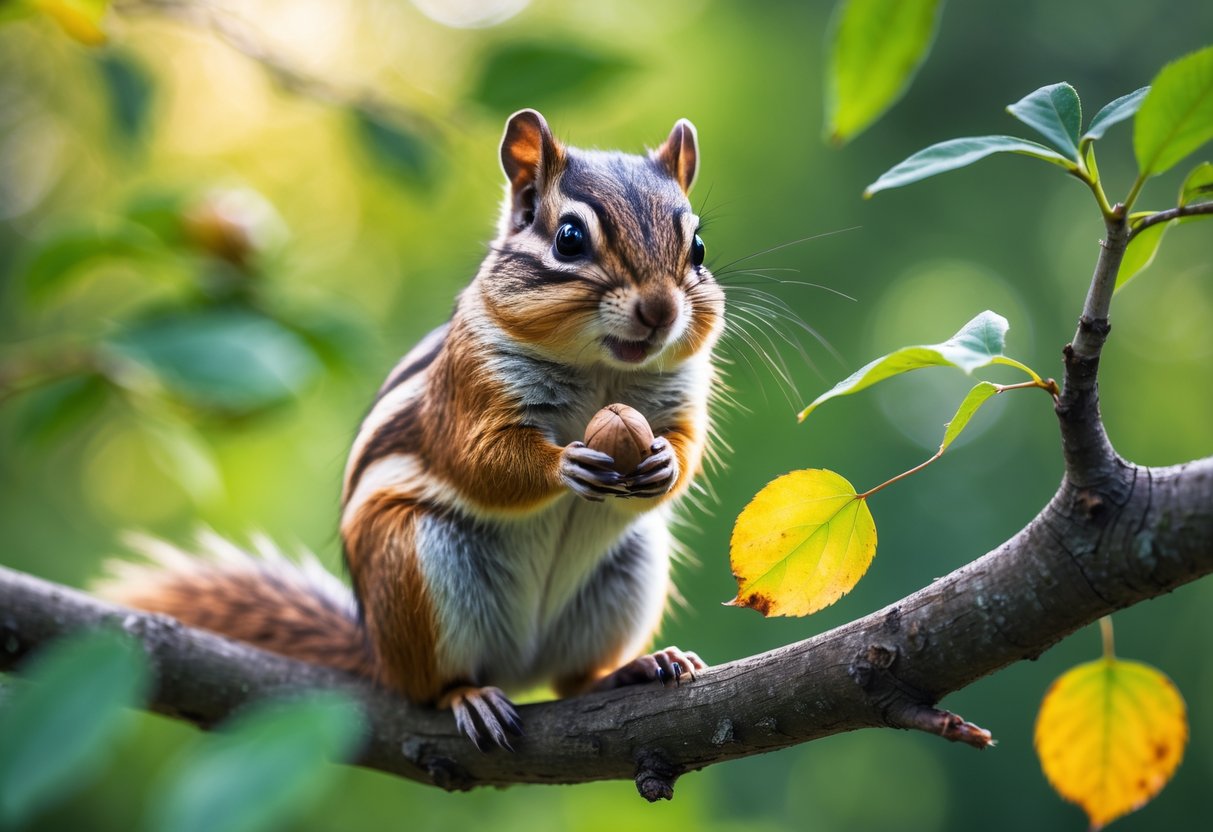
Early English speakers couldn’t quite agree on how to spell it, so you’ll find versions like “chipmonk,” “chipmuck,” and even “chip squirrels.” People likely picked these names because of the sounds chipmunks make. Knowing this, the chipmunk’s name starts to feel like a story that’s been retold for generations.
If you’re curious about the word’s origin, here’s a more detailed chipmunk etymology.
Origins of the Name ‘Chipmunk’
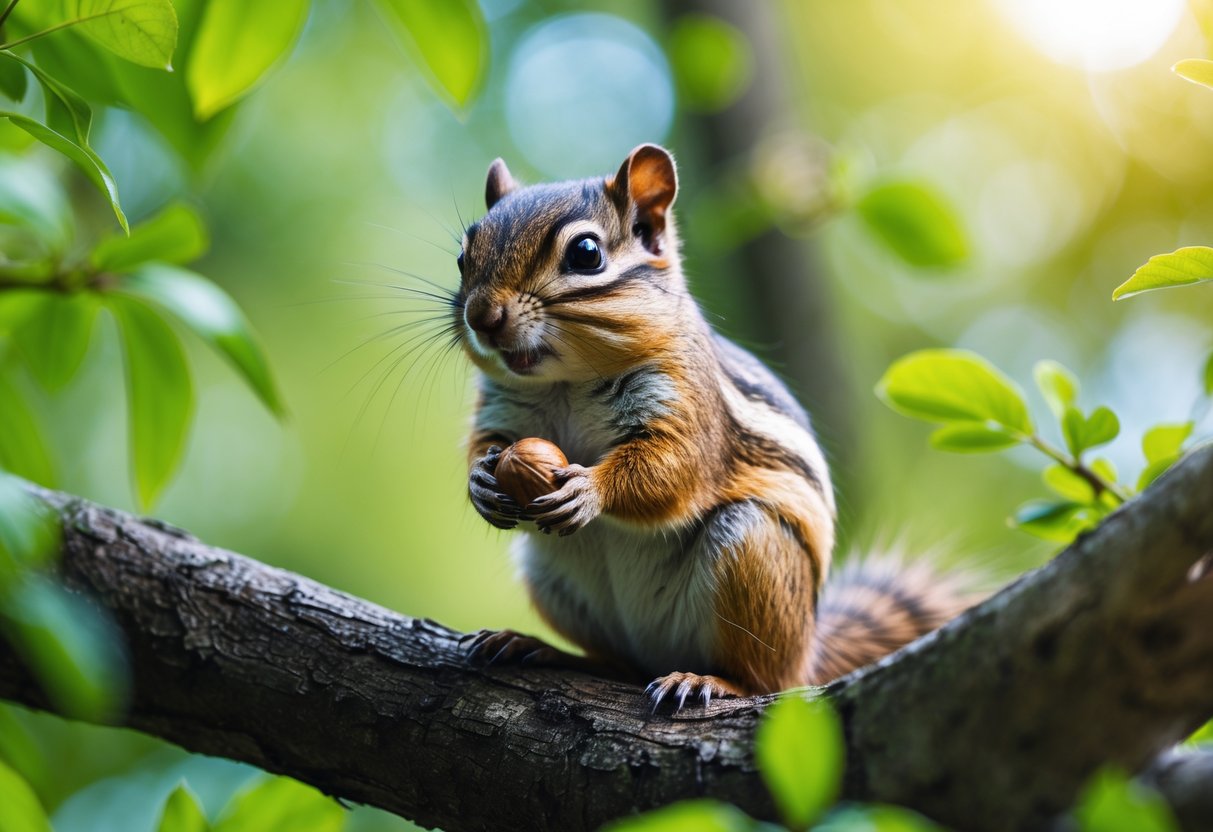
The name “chipmunk” actually has a pretty interesting history. It’s tied to Native American languages and scientific naming, and it’s shifted a bit as people started using it more often.
Digging into these layers gives you a better sense of why chipmunks ended up with the name they have now.
Native American Linguistic Roots
Indigenous languages, especially those with words for “red squirrel” or describing movement, gave us “chipmunk.” The Odawa (Ottawa) word jidmoonh stands out as one of the first. It means “red squirrel” and points to the chipmunk’s striped fur.
There’s also the Ojibwa word ajidamoo, which means “one who descends trees headlong.” That’s a perfect fit for how chipmunks zip around.
These native words shaped early English versions like “chitmunk” and “chipmonk.” The way language and animal behavior connect here just makes sense. If you want to dig deeper, check out chipmunk etymology.
Latin Taxonomy and the Name Tamias
Scientists put chipmunks in the genus Tamias, which is Latin for “storer” or “hoarder.” That’s almost too perfect, since chipmunks stuff food in their cheeks to save for later.
The eastern chipmunk goes by Tamias striatus, while others fall under genera like Eutamias and Neotamias.
When scientists picked Tamias, they wanted to highlight the chipmunk’s habit of collecting and saving food. The Latin name gives the chipmunk a more formal identity and ties its name to how it lives.
Evolution of the Word in Popular Culture
The word “chipmunk” started popping up in English writing in the 1830s. Earlier, people wrote it as “chipmonk” or “chipmuck.” It kind of sounds like the chippy noises these animals make, doesn’t it?
Back then, folks also used “chip squirrels,” probably because of the sounds. Even John James Audubon, the famous naturalist, called them “chipping squirrel” in the mid-1800s.
Eventually, “chipmunk” stuck as the standard. These days, chipmunks are everywhere in pop culture—think Chip ‘n’ Dale. The name’s become familiar to just about everyone, not just scientists or historians. More about the word’s journey is on Wikipedia’s chipmunk page.
Chipmunks in Nature and Daily Life

You might spot chipmunks darting around your yard or garden. They’re always busy, gathering food and hiding out in their cozy homes.
These little creatures have some pretty clever tricks that help them make it through the seasons in places like New Hampshire and beyond.
Distinctive Physical Traits
Chipmunks are small rodents with bold stripes running down their backs. Those stripes make them easy to pick out from other squirrels.
They’ve got cheek pouches—little pockets for carrying seeds and nuts back to their burrows.
Compared to other squirrels, chipmunks are tiny. Most of them weigh just a few ounces, so they move fast on the ground and in the trees.
If you get a close look, you’ll notice their big eyes and sharp claws. Those features come in handy for foraging and digging.
Diet of Seeds, Nuts, and Grains
Chipmunks mostly eat seeds, nuts, and grains. That’s their main food.
You’ll often find them hoarding acorns, hazelnuts, and sunflower seeds to get ready for winter.
Sometimes, they’ll snack on insects or even tiny froglets.
All summer and fall, chipmunks stash food near their burrows. You might catch one with its cheeks stuffed, racing back underground.
Their diet doesn’t just help them survive—it also helps forests by spreading seeds around.
Chipmunks in Gardens, Yards, and Habitats
Got a garden or yard in New Hampshire? You’ll probably spot chipmunks darting around, especially if you’ve got tasty plants. They just love to nibble on fruits, veggies, and even those cultivated grains—no wonder some gardeners get a bit annoyed with them.
Chipmunks dig their burrows under logs, rocks, or sometimes right next to your house foundation. They build these homes with a whole network of tunnels and little storage rooms for their food.
If you ever peek inside, you’ll see their nests are surprisingly tidy. Chipmunks keep their homes free from waste, which says a lot about how neat they are.


