
A homemade chipmunk repellent spray is something you whip up yourself to keep chipmunks from taking over your garden or yard.
Basically, you use scents or ingredients chipmunks can’t stand—think peppermint oil, cayenne pepper, or garlic—so they decide your space just isn’t worth the trouble.
This spray gives you a simple, safe way to protect your plants without dumping chemicals everywhere.
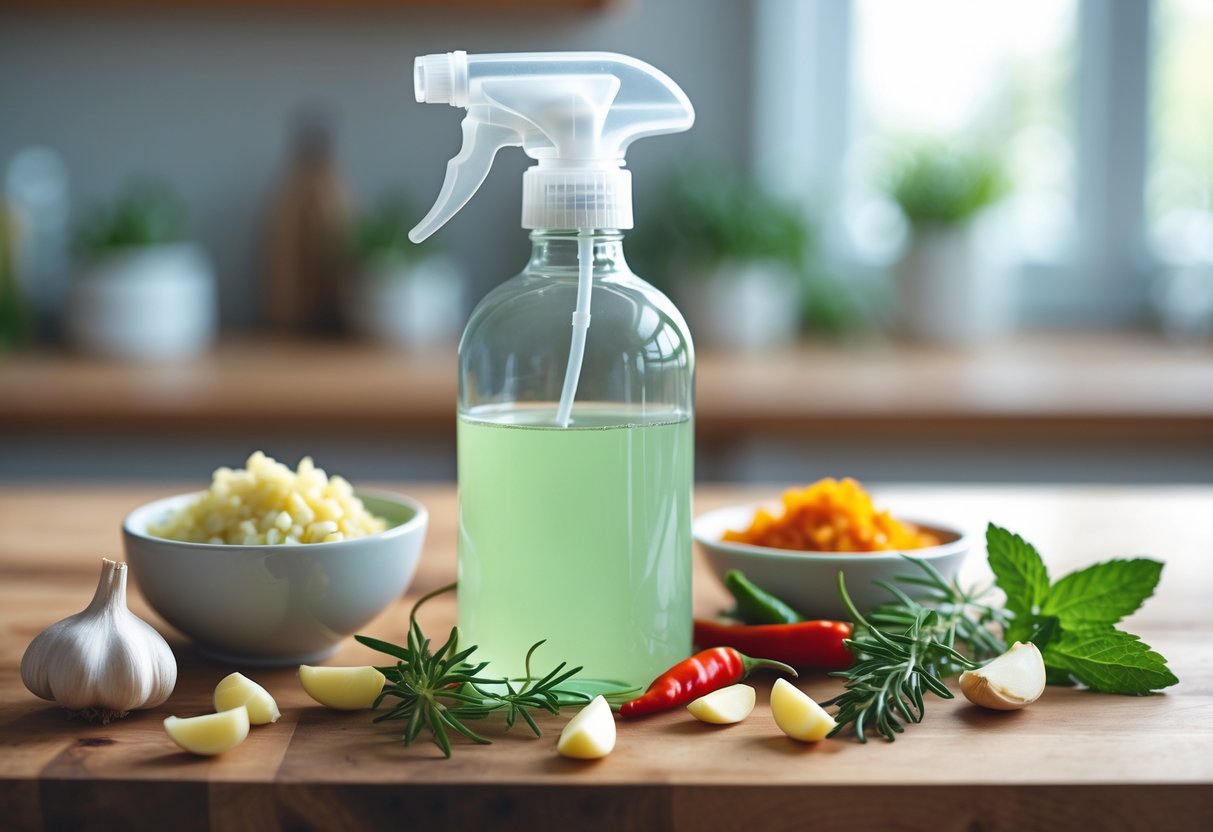
If chipmunks keep digging up your garden or nesting too close to your house, a homemade spray can nudge them to move along.
You don’t need anything fancy—just a few common ingredients and some water to make a spray that keeps chipmunks at bay.
What Is a Homemade Chipmunk Repellent Spray?

You can make a homemade chipmunk repellent spray with stuff you probably already have in your kitchen.
These sprays use safe, natural ingredients that chipmunks and other critters really don’t like, but they won’t hurt your plants, pets, or family.
They work by messing with the animals’ sense of smell or taste, so chipmunks decide to look for food somewhere else.
When you make your own spray, you know exactly what goes in it.
You can use essential oils or kitchen staples that are effective and gentle on your yard.
How Homemade Chipmunk Repellents Work
These sprays create an environment that chipmunks just want to avoid.
Chipmunks rely a lot on their noses to find food and safe places to dig.
When you spray strong, bitter, or spicy scents, chipmunks usually turn right around.
Peppermint oil and garlic have powerful smells that irritate or confuse chipmunks.
Capsaicin, the spicy stuff in cayenne pepper, causes a burning feeling that chipmunks hate.
Some people even use sprays that mimic predator urine, which scares chipmunks away.
You’ll need to apply the spray often, especially after rain, to keep the scent strong enough to work.
Key Ingredients in DIY Repellent Sprays
You can make a decent spray with things you probably already have:
- Peppermint oil: The strong smell keeps chipmunks and squirrels away.
- Garlic: Its sharp scent bothers small animals.
- Cinnamon: The spicy aroma helps repel chipmunks.
- Cayenne pepper (capsaicin): Adds a burning sensation that animals avoid.
- Mild soap: Lets the oils mix with water and stick to surfaces.
Just mix a few drops of peppermint oil or some crushed garlic with water and a splash of mild soap.
If you want extra strength, toss in some cayenne pepper powder.
Why Choose Natural vs. Commercial Repellents
Natural sprays are great if you want to skip harsh chemicals.
A lot of commercial repellents use toxins that can hurt pets, good bugs, or even your plants.
When you make your own spray, you keep things safer for your family and the environment.
You get to control the recipe and can tweak it however you like.
Plus, making your own usually costs less than buying something at the store.
Homemade sprays might need more frequent reapplication, especially after it rains.
If you’re aiming for humane chipmunk control, natural sprays fit right in—they keep wildlife safe while protecting your garden.
For more ideas, you can check out homemade chipmunk repellent options.
How to Make and Use Homemade Chipmunk Repellent Spray
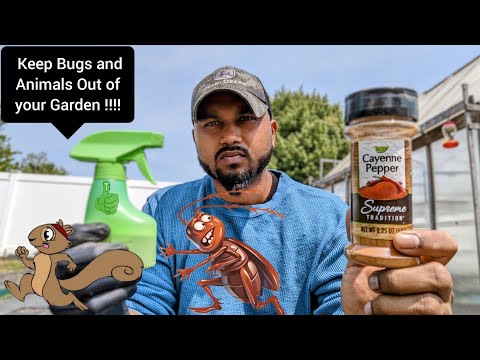
You can throw together simple sprays at home with things like peppermint oil, garlic, or spicy peppers.
These sprays work by putting out smells and tastes that chipmunks, squirrels, and other pests can’t stand.
You’ll get the best results if you spray regularly and know the right spots to target.
Peppermint Oil Spray Recipe and Application
Peppermint oil is a strong-smelling essential oil that chipmunks and squirrels really don’t like.
Mix 10 to 15 drops of peppermint oil with one cup of water in a spray bottle.
Give it a good shake.
Spray it around garden beds, near burrows, or anywhere chipmunks like to hang out—like under bird feeders.
The scent covers up familiar smells and makes chipmunks uncomfortable.
Try not to spray it directly on anything you plan to eat.
You’ll want to reapply every few days or right after it rains to keep things fresh.
Adding a few drops of dish soap can help the spray stick to leaves and surfaces.
Garlic and Capsaicin Spray Preparation
Garlic and capsaicin (from hot peppers) both create strong smells that chipmunks can’t stand.
Chop up 3 garlic cloves and mix with 1 teaspoon of cayenne pepper in 2 cups of water.
Let the mixture sit overnight.
Strain it, then pour it into a spray bottle.
Spray it around your garden’s edges and anywhere you see animals digging or chewing.
Capsaicin adds a spicy kick that chipmunks hate, so they steer clear without getting hurt.
Don’t spray near edible plants or spots where kids and pets play.
Wear gloves when handling cayenne pepper, since it can irritate your skin.
Wash your hands well when you’re done.
Tips for Effective Use and Reapplication
Go ahead and spray your repellent often, especially right after it rains or you water the garden. Chipmunks figure out pretty fast when the scent fades, so you’ll want to keep up with reapplying if you actually want them gone.
Try to focus on spots where chipmunks dig, around bird feeders, and right by garden entrances. I’d suggest clearing away food scraps and fallen seeds too—makes a difference.
If you want some extra backup, you could use motion-activated sprinklers along with your homemade sprays. Those tend to give pests a bit of a scare when they get too close.
Test your spray on a small part of a plant first, just to make sure nothing weird happens. Keep your sprays in a cool, dark spot when you’re not using them so the oils last longer.


