
Ever wondered how to say “chipmunk” in French? Well, you’re in the right spot.
The French name for a chipmunk is “tamia.” French speakers borrowed this from the scientific genus name, and they mostly use it for these small, striped rodents.
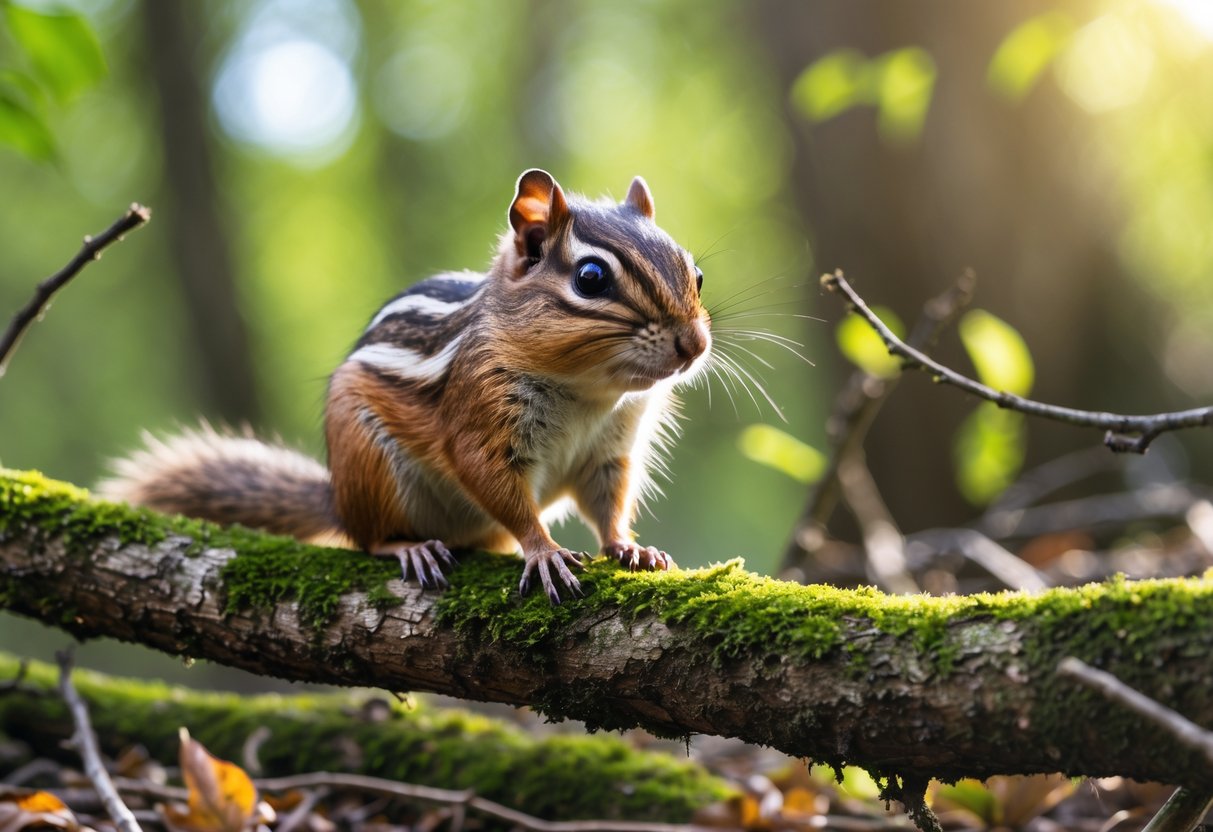
Sometimes, you’ll hear people call a chipmunk “écureuil,” which just means squirrel in French. But honestly, “tamia” nails it if you want to be specific.
If you’re reading about wildlife in French or visiting places where chipmunks live, knowing this word could come in handy.
Let’s get into what makes this tiny animal—and its French name—so interesting.
French Name for Chipmunk and Its Meanings

Depending on where you are, the French name for chipmunk might shift a bit. Some words come straight from science, while others pop up in daily conversation, especially in Canada and France.
These different names reflect a blend of local culture and natural history.
Primary French Translation: Tamia
The main word you’ll hear for chipmunk in French is tamia. Scientists use it too, since it comes from the genus name Tamias.
You’ll spot tamia in French dictionaries and in more formal wildlife books.
It’s a masculine noun. When you say tamia, you’re usually talking about the species as a whole, often in science or education.
If you check a French-English dictionary like Collins, tamia shows up as the go-to translation.
This keeps things close to the original Latin and Greek roots.
Alternative French Names: Suisse and Tamia Rayé
Besides tamia, there are a couple of other names floating around, especially in Canada.
In Quebec, folks often call the eastern chipmunk suisse. The nickname comes from the chipmunk’s stripes, which look a bit like the Swiss Guard uniforms at the Vatican.
You might also see tamia rayé or tamia strié. Both mean “striped chipmunk” and do a good job describing the animal’s fur.
These terms help people tell chipmunks apart from other small rodents without stripes.
It’s interesting to see how culture and everyday language shape the names we give animals.
Origins and Usage of Chipmunk Names in French
The word tamia goes back to a Greek term for “steward” or “treasurer.” That fits, right? Chipmunks love storing food in their cheek pouches.
When French speakers use tamia, they’re nodding to this little habit.
In everyday talk, suisse pops up more often in some areas because it’s quick and easy to say.
The stripes really do look like a Swiss Guard’s outfit, so the image sticks in people’s minds.
If you’re talking science, stick with tamia. But if you’re just chatting in Québec, suisse might roll off the tongue a bit easier.
Distinctions Between Tamia and Other Rodents
Chipmunks, or tamias, look a lot like other small rodents, especially squirrels.
But French speakers usually save tamia just for chipmunks. Other rodents have their own names:
- écureuil for squirrels
- rat for rats
- mulot for field mice
The stripes are a dead giveaway. They make chipmunks easy to spot, both in real life and in language.
Names like tamia rayé make sure there’s no mix-up about which animal you’re talking about.
When you’re discussing different rodents, using tamia for chipmunks keeps things clear.
Understanding Chipmunks: French and Global Perspectives
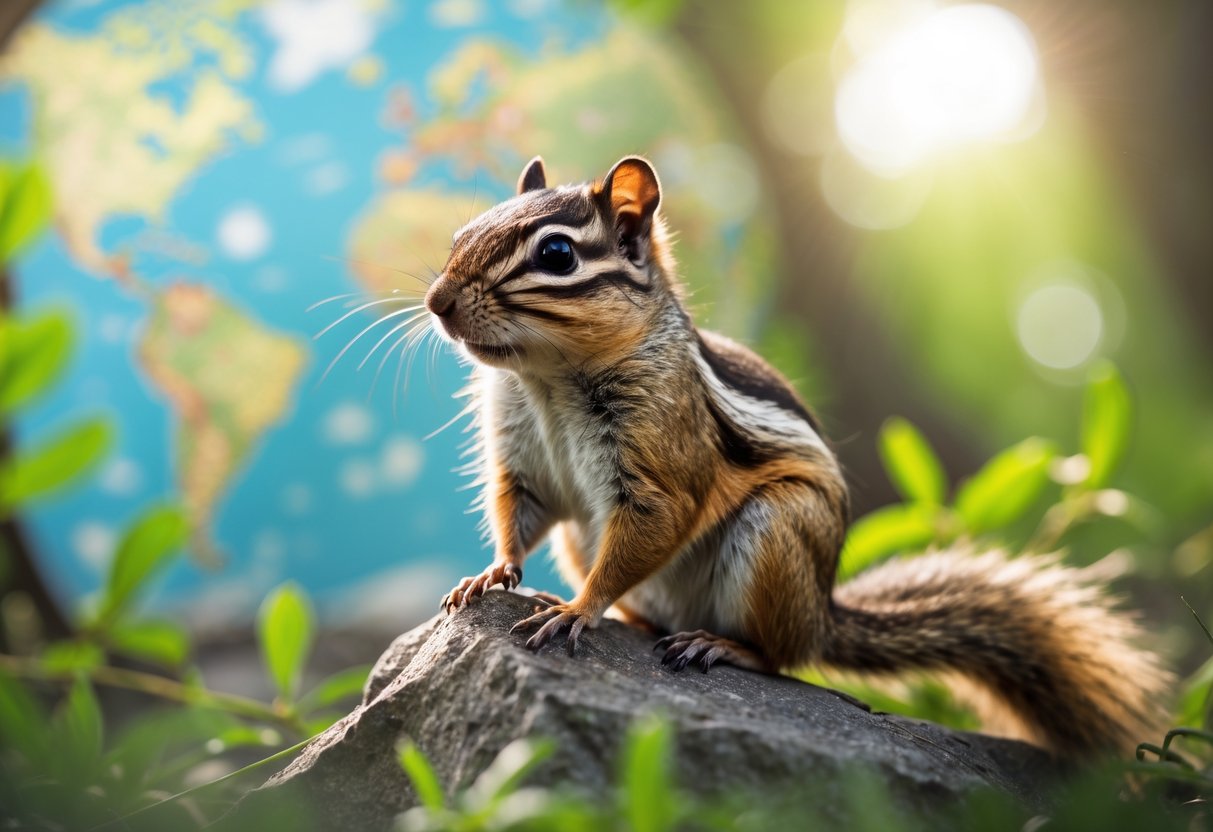
Chipmunks are small, striped rodents. They move quickly and always seem curious.
You’ll find them in certain places around the world, and their behavior sets them apart from other animals.
Where Chipmunks Live: States and Countries
Most chipmunks live in North America. In the U.S., you’ll see them in states like Pennsylvania, Ohio, and New York.
They like forests, woodlands, and spots with lots of trees and bushes for hiding and finding snacks.
You’ll also find chipmunks in parts of Canada, especially Ontario and Quebec.
In French-speaking areas, people might call them “tamia” or “écureuil rayé.”
You probably won’t spot wild chipmunks in Europe or Asia. Though, a few species like the Korean striped squirrel have similar names—French speakers call it “écureuil de Corée.”
Chipmunks as Animals: Characteristics and Behavior
Chipmunks are pretty small—usually somewhere between 6 and 12 inches long, tails included. You can spot them by those bold stripes running down their backs.
They’re rodents, part of the squirrel family, though sometimes folks forget that. During the day, chipmunks dart around, snatching up nuts, seeds, and berries.
They love to stuff food into their cheek pouches and scurry back to their burrows. Underground, they dig tunnels where they sleep and raise their babies.
If you ever stop and watch one, you’ll probably catch their twitchy little moves and lightning-fast reflexes. It’s impressive how well they dodge predators, honestly.


