
If a chipmunk bites you, the first thing you should do is clean the wound really well with soap and water.
Washing the bite right away helps stop infection and lowers your risk of problems.
After you clean it, keep an eye out for redness, swelling, or pain.
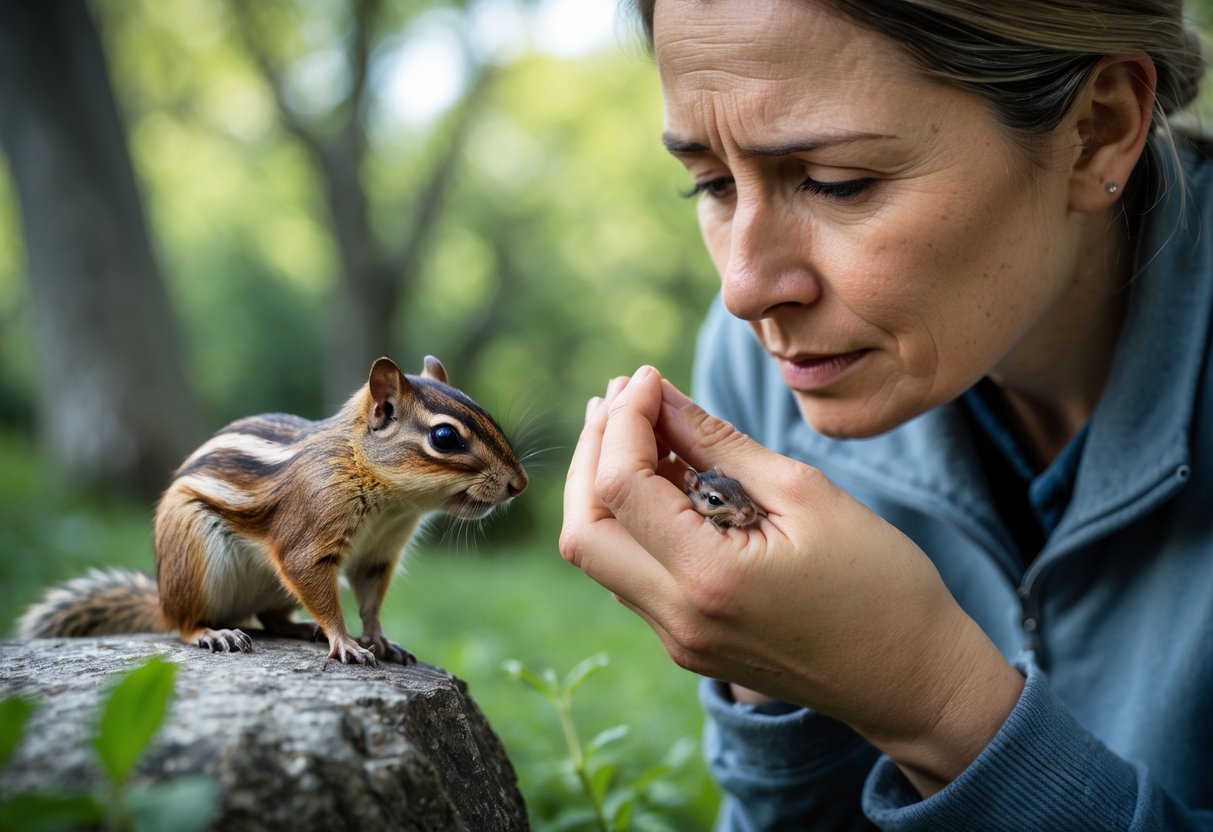
Chipmunks almost never carry rabies, but you should still contact your doctor, especially if the bite is deep or bleeding a lot.
Your doctor might recommend a tetanus shot or antibiotics if the injury looks serious.
Knowing what to do can help you feel less panicked if this weird situation ever happens.
Immediate Actions After a Chipmunk Bite
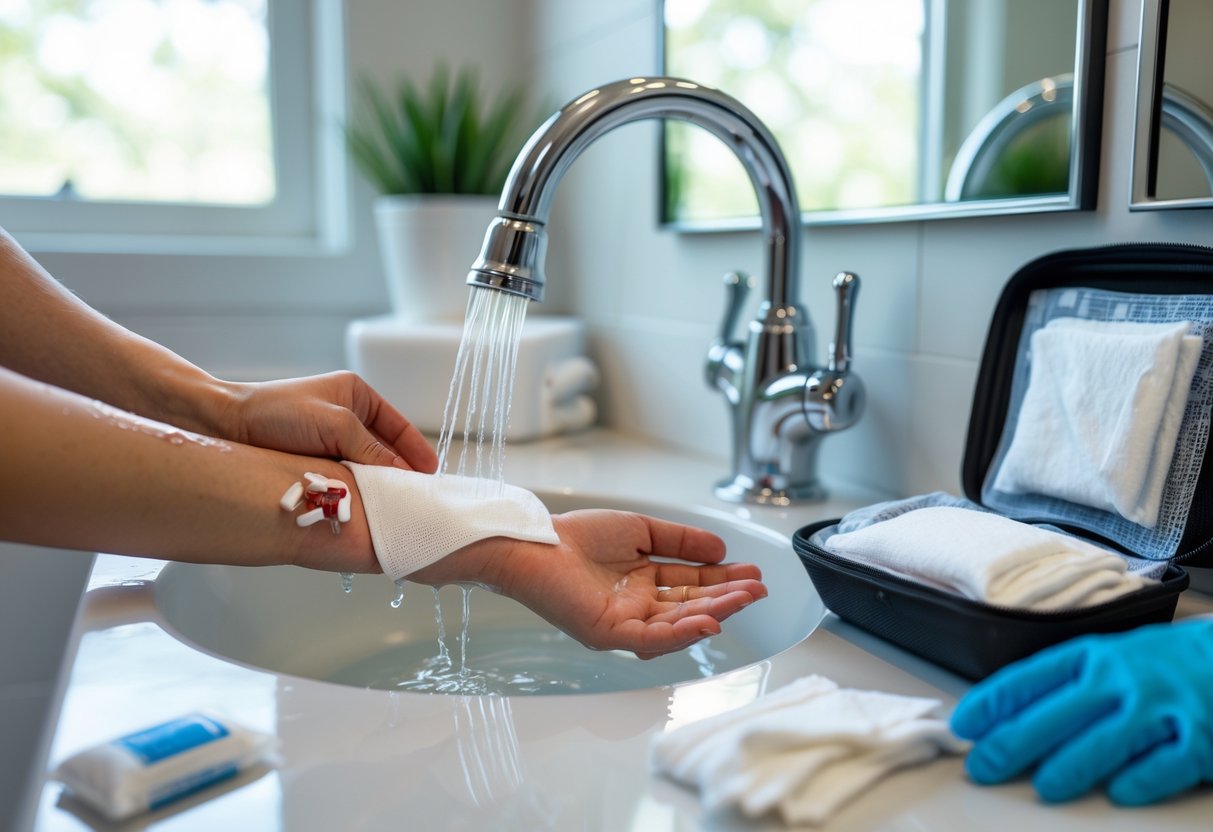
When a chipmunk bites you, acting quickly and carefully can lower your risk of infection.
Clean the wound, know when to call your doctor, and report the bite to help keep yourself safe.
How to Clean and Treat the Wound
Start by washing the bite area with soap and warm water.
This step removes dirt and germs that could cause infection.
Scrub the wound gently for a few minutes, then rinse it off.
Pat the area dry with a clean towel.
You can put on an over-the-counter antiseptic cream or ointment to help stop bacteria.
If the bite is bleeding, press a clean cloth on it until the bleeding stops.
Try not to scratch or pick at the wound so it can heal.
When to Contact a Healthcare Provider
Go see a doctor if the bite is deep, the skin is broken, or you notice redness, swelling, or pain.
These might mean the wound is getting infected.
If you haven’t had a tetanus shot in the last five years, let your doctor know.
They might want to update your vaccine.
If the chipmunk looked sick or acted strange, you’ll want to get medical advice right away.
You might need rabies testing or treatment in that case.
Reporting Animal Bites and Animal Control
Report the bite to your local animal control.
They can check if the chipmunk poses a risk to others and might try to catch it.
Animal control can also offer advice on how to avoid more wild animal bites around your home.
Reporting helps protect your community and tracks any possible diseases that could spread from animals to people.
Assessing Tetanus and Other Infection Risks
Tetanus is a serious infection that can get in through animal bites, especially if the skin is broken.
Your doctor can tell you if you need a tetanus booster.
Other infections might come from germs in the chipmunk’s mouth.
Watch for signs like warmth, pus, or pain that gets worse.
Doctors might give you antibiotics if they think it’s needed.
Always follow their instructions.
Understanding Rabies and Health Risks from Chipmunk Bites

If a chipmunk bites you, you might wonder how serious it is.
Some animals carry diseases like rabies, but not all of them pose the same risk.
It’s good to know what to do to protect yourself after a bite.
Are Chipmunks and Rodents a Rabies Threat?
Chipmunks and most small rodents—think squirrels, rats, mice—rarely carry rabies.
Rabies cases from these animals are extremely rare.
These creatures usually don’t live long enough to pass on the virus.
Still, treat any bite with care.
Infection can happen, even if rabies is unlikely.
Wash the wound well and watch for any signs of illness.
Wild vs. Domestic Animals: Rabies Comparison
Wild animals like bats, skunks, raccoons, and foxes are much more likely to carry rabies.
They might act aggressive or strangely calm.
Domestic animals—dogs and cats—can get rabies if they aren’t vaccinated.
But in places where pets get regular shots, the risk is pretty low.
If a vaccinated pet bites you, the rabies risk is very small compared to a wild animal bite.
Rabies Post Exposure Protocols
If an animal bites you, clean the wound with soap and water right away.
Then head to a doctor or your local health department as soon as you can.
They’ll decide if you need rabies treatment.
Doctors might give you rabies immune globulin (HRIG) and a series of rabies shots called post-exposure prophylaxis (PEP).
HRIG gives fast protection, while the shots help your body fight the virus over time.
If the animal is wild and can’t be tested, or if it’s a bat or raccoon, doctors often start PEP right away.
This step matters because rabies is almost always fatal once symptoms show up.
When Rabies Vaccinations Are Needed
If a chipmunk bites you, you probably don’t need a rabies vaccination. Small rodents almost never carry rabies, so that’s a relief.
But let’s say the animal acted strangely, or you live somewhere with rabies cases popping up in local wildlife. In those situations, your doctor might suggest getting the vaccine, just to be careful.
Doctors usually recommend vaccinations after bites from animals like bats, skunks, raccoons, or unvaccinated dogs and cats. If you can watch the animal for 10 days and it stays healthy, you might get to skip the shots.
Your need for rabies immune globulin or vaccinations really depends on the animal, its health, and your own vaccine history. It’s always best to listen to your doctor and play it safe.


