
Ever notice chipmunks popping up in your yard? You might ask yourself, what on earth draws them in? Chipmunks love the smell of seeds, nuts, and grains. Birdseed and the scent of flowers or plants with bulbs are also magnets for these little guys. When they catch a whiff of these, they know they’ve found a solid food source. That’s why you’ll spot them near gardens or hanging around bird feeders.
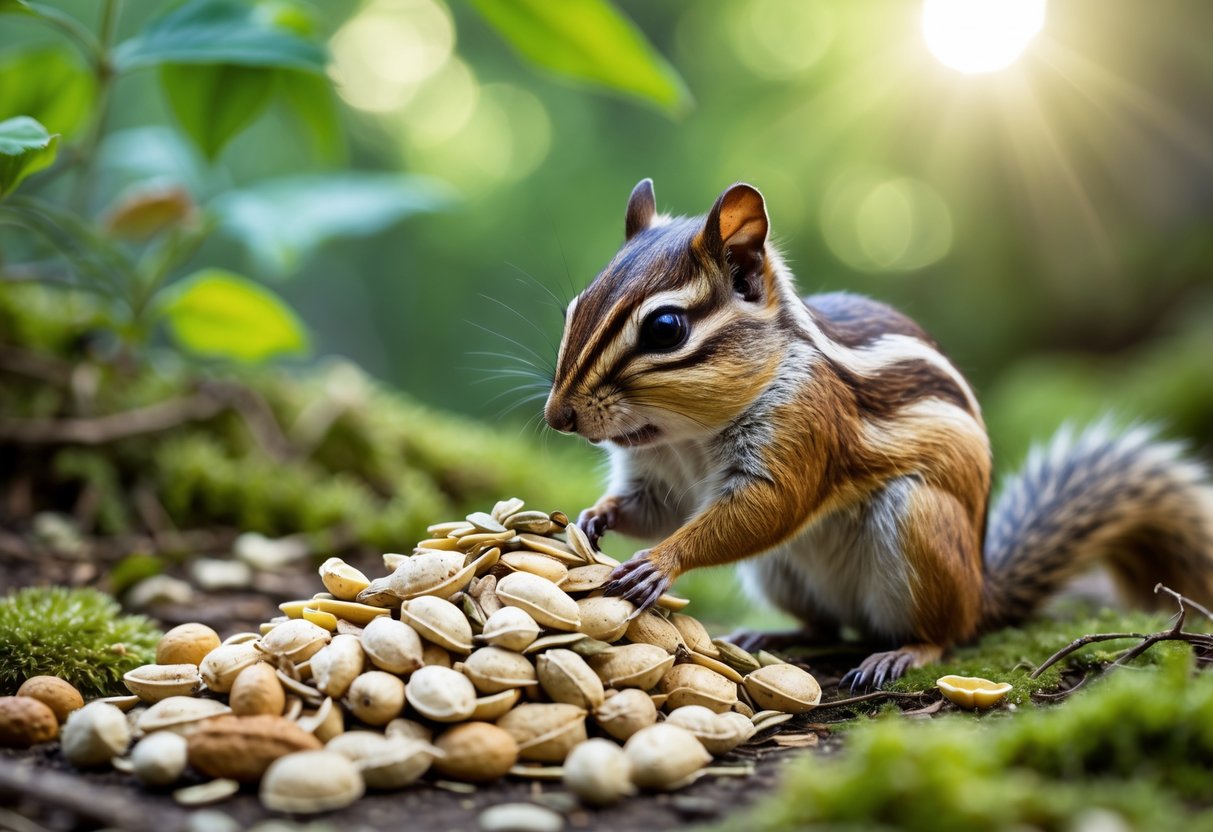
If you figure out what smells chipmunks can’t resist, you’ll have a better shot at managing their visits.
When you know what attracts them, you can either avoid leaving those things out or try using different scents to keep them at bay.
If you’re tired of chipmunks munching on your plants or digging up your yard, it’s worth learning what makes them choose a spot.
What Smell Attracts Chipmunks?

Chipmunks go for certain smells when they’re searching for food or shelter.
If you know what scents pull them in, you’ll understand why they keep showing up in your yard or garden.
Natural smells, food odors, and even some scents from human activity all seem to have a pull on chipmunks.
Natural Scents Chipmunks Find Attractive
Plants and seeds are classic chipmunk favorites, and those smells really get their attention.
Nuts like acorns and hazelnuts? Chipmunks can’t resist them.
They also love the smell of berries and fresh shoots.
Roots and tubers give off earthy scents that make chipmunks want to dig.
Some flowering plants, especially those with seeds, draw them in too.
If you see chipmunks near piles of leaves or old logs, it’s probably because those spots smell like food to them.
Paying attention to these natural scents can help you spot where chipmunks might settle.
Food Odors That Lure Chipmunks
Certain food smells are almost like an open invitation for chipmunks.
Peanut butter, sunflower seeds, corn, and grains are top choices.
That rich, fatty smell of peanut butter? Works like a charm, which is why people use it in traps.
Cheese and bits of fruit like apples or berries will also draw them in.
Chipmunks get curious about new food smells, but they’ll pick the ones with more fat or sugar first for the energy boost.
If you have bird feeders or uncovered compost bins, spilled seeds and scraps can call chipmunks right into your space.
Smells From Human Habitats That Draw Chipmunks
Chipmunks have a knack for following smells tied to humans.
If you leave pet food outside or forget to seal your compost pile, you’re basically rolling out the welcome mat for them.
Even gardening stuff like mulch or flower pots filled with rich soil can give off scents that remind chipmunks of their natural home.
Warm spots like sheds or basements sometimes pick up food or earthy smells, which makes chipmunks want to check things out.
Try to keep these areas clean and sealed if you want fewer furry visitors.
You can find more details at this chipmunk pest info.
Scents That Repel Chipmunks and Control Methods

You’ve got a few options if you want to keep chipmunks out of your garden or yard.
Some natural scents are strong enough to send them running, and others make them think danger is close by.
If you know which ones work, you can protect your plants without hurting the animals.
Common Repellent Smells Used Against Chipmunks
Chipmunks really don’t like sharp, strong smells like vinegar, garlic, and peppermint.
You can mix vinegar—apple cider vinegar works great—with water and spray it around the garden as a scent barrier.
Garlic’s powerful odor also keeps chipmunks away if you plant it or crush and spread it around.
Peppermint oil is another good choice.
Just soak some cotton balls in diluted peppermint oil and leave them where chipmunks like to go.
Sprinkling coffee grounds or pepper around your plants can overwhelm chipmunks’ senses and make them look elsewhere.
For more ideas, check out 15 Scents That Chipmunks Hate.
Predator Urine and Other Animal-Based Smells
Some folks use predator urine to scare chipmunks off, since it signals real danger.
Products that smell like foxes, coyotes, or bobcats can make chipmunks steer clear.
Ammonia works in a similar way—it smells like animal waste or predator urine, which chipmunks want nothing to do with.
Soak a rag in ammonia and put it where you’ve seen chipmunks, but watch out for pets or sensitive plants.
Combining these natural methods with traps or exclusion techniques can help you keep chipmunks under control.
Limitations of Scent-Based Repellents
Scent repellents can help, but honestly, they’re not perfect. Chipmunks sometimes get used to the smells, especially if you don’t switch things up now and then.
Rain or even your sprinkler will wash away those sprayed scents. You’ll probably find yourself reapplying more than you’d like.
If chipmunks find food or shelter close by, scent repellents might not cut it. In those cases, you might want to look into traps or learn a bit more about wildlife control.
Use repellents with care, and always read the directions. You don’t want to accidentally harm helpful animals, your pets, or your garden.


