
Ever wonder if chipmunks can get aggressive? The answer might surprise you. Chipmunks aren’t usually aggressive toward people—they’d much rather dash away than stand their ground.
Still, if you corner or scare one, it might bite or scratch. That’s just self-defense, not real aggression.
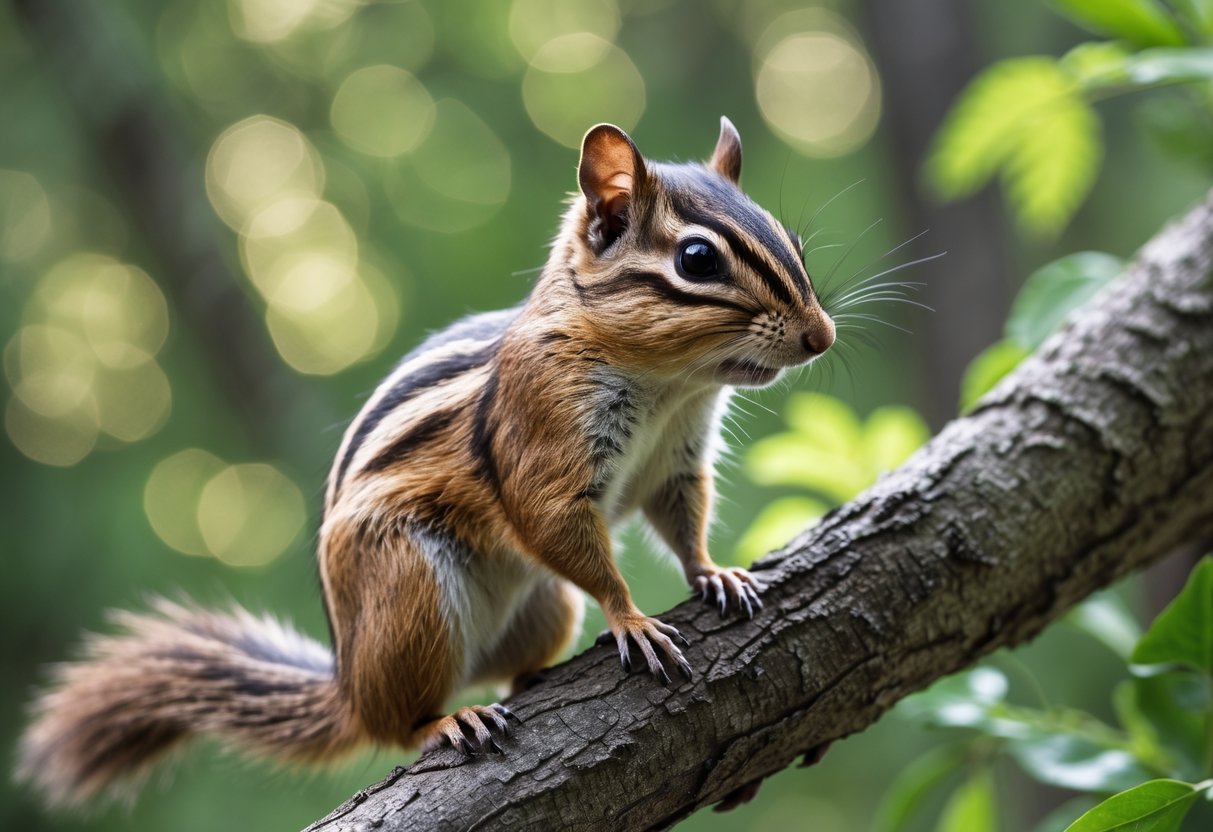
You might catch chipmunks acting feisty with each other, especially when they’re fighting over food or territory. Since they’re so small, they mostly rely on quick getaways instead of picking fights.
If you know what makes chipmunks act up, it’s easier to appreciate them without worrying too much—even if one gets a little defensive.
When and Why Chipmunks Get Aggressive

Usually, chipmunks keep to themselves and act shy. But in certain situations, they can get aggressive.
Threats, territory, and interactions with other animals play a big role in how they behave. If you pay attention, you can spot when a chipmunk feels defensive or hostile.
Fight or Flight: Triggers for Aggression
When a chipmunk feels trapped, it sometimes fights instead of fleeing. Most of the time, it’ll try to escape, but if it can’t, it might bite or scratch to protect itself.
That’s just a natural reaction to danger. If a chipmunk thinks its burrow or food is at risk, it can get more aggressive.
Loud noises or sudden moves can make a chipmunk freeze, then react defensively. Aggression usually happens only when running away isn’t possible.
Territorial Behavior in Chipmunks
Chipmunks really care about their home turf. They mark and defend their burrows and food stashes from others.
You might hear them make loud “chip-chip-chip” calls as a warning to strangers. Adult males ramp up the aggression during breeding season, competing for mates.
They’ll fight or chase away rivals to protect their territory. Because of this, chipmunks mostly avoid each other, but disputes over space still pop up.
Signs of Aggressive Animals
If a chipmunk feels aggressive, you’ll see it raise its fur, bare its teeth, or chatter loudly. Sometimes it makes quick lunges or shows a defensive posture.
Biting and scratching mean the chipmunk feels really threatened. If you notice these signs, just give it some space.
Aggression in chipmunks is about protection, not about picking a fight with you.
Comparison with Other Wild Rodents
Compared to other wild rodents like squirrels, chipmunks dig more than they climb. Their aggression is mostly about defending their underground homes.
Squirrels might chase each other up trees, but chipmunks stick to fighting over burrows or food. Both can bite if provoked, but chipmunks usually avoid direct conflict.
Knowing these differences helps you understand what makes chipmunks unique.
For more about chipmunk behavior, check Mass Audubon’s chipmunk guide.
Dangers of Chipmunk Aggression: Bites and Disease Risks

Chipmunks don’t usually act aggressive, but if you scare or threaten one, it could bite. Their bites can hurt and even bring some health risks.
It’s worth knowing what happens if a chipmunk bites you and what diseases they might carry.
What Happens During a Chipmunk Bite
If a chipmunk bites, it’s usually because it feels cornered or scared. The bite can break your skin and cause pain, redness, or swelling.
Their sharp teeth can leave small wounds that might get infected if you don’t clean them well. Wash the bite with soap and water right away.
Watch for swelling, pus, or fever—those could mean infection. Chipmunks rarely seek out people to bite, so it’s best not to try touching or catching them.
Diseases Transmitted by Chipmunks
Chipmunks can carry diseases that spread through bites or contact with their saliva, urine, or droppings. This includes bacterial infections and parasites like fleas or ticks.
Some of these diseases are treatable if you get medical help soon. To stay safe, don’t handle chipmunks and always wash your hands if you touch anything they’ve been near.
Avoiding bites and contact is the best way to keep yourself healthy.
Lyme Disease, Plague, and Rabies Concerns
Chipmunks carry ticks that can spread Lyme disease. This illness can cause joint pain and some serious fatigue.
If a tick from a chipmunk bites you, keep an eye out for symptoms like a rash or fever. Don’t wait—go see a doctor if you notice anything off.
The plague sounds like something from the history books, but rodents like chipmunks could technically carry it, even though it’s rare now. Rabies in chipmunks is almost unheard of, but honestly, you should treat any wild animal bite as a reason to get checked by a healthcare provider.
Here’s a quick overview to keep in mind:
| Disease | Transmission Route | Key Symptoms | Action to Take |
|---|---|---|---|
| Lyme Disease | Tick bites from chipmunks | Rash, fever, joint pain | Seek medical care promptly |
| Plague | Flea bites from rodents | Fever, chills, swollen glands | Report and get treatment |
| Rabies | Bite from infected animal | Confusion, paralysis | Immediate medical attention |
Taking a few simple steps—like steering clear of chipmunks and checking yourself for ticks after being outdoors—can make a big difference in staying safe.


