
Ever wondered if chipmunks are just another kind of hamster? You’re definitely not the only one. At first glance, they do look a bit alike—both are small, furry rodents—but honestly, they’re pretty different creatures. Chipmunks aren’t hamsters; these two belong to separate families and have their own quirks, habits, and habitats that make them stand out.
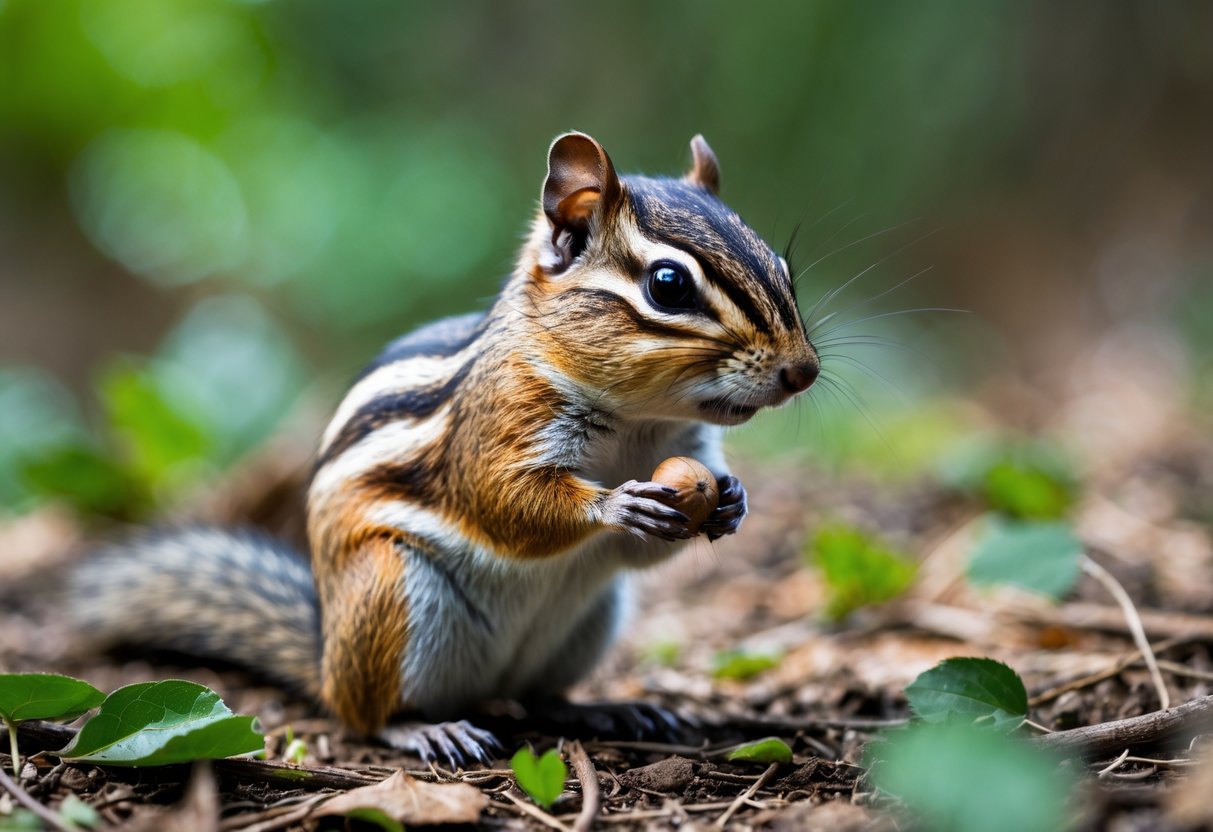
You’ll probably spot chipmunks darting around in broad daylight, gathering food. Hamsters, on the other hand, usually wait until evening or nighttime to get moving.
Their bodies don’t really match up either. Chipmunks rock those bold stripes and long tails, while hamsters are smaller with short, stubby tails.
Curious about what really sets them apart? There’s a lot to uncover. Let’s look at what makes chipmunks and hamsters unique, and how you can tell the difference without much fuss.
Are Chipmunks and Hamsters the Same Animal?

Chipmunks and hamsters both fall into the rodent category, but that’s about where the similarities end. They come from different families, look pretty different, and don’t live the same way—whether out in the wild or as pets.
If you know these differences, it’s way easier to figure out which animal you’re dealing with or thinking about adopting.
Taxonomy and Family Classification
Chipmunks belong to the Sciuridae family, so they’re actually closer to squirrels than to hamsters. Hamsters fit into the Cricetidae family, which includes plenty of small rodents, but not squirrels.
So, even though they’re both rodents, they aren’t closely related at all.
This split in their scientific families shapes everything from their behavior to their body shapes and even their daily routines. Chipmunks act a lot like tree squirrels, while hamsters share habits with other burrowing critters.
This difference changes how they interact with their surroundings. If you want to dig deeper into their families, squirrelenthusiast.com has some good info.
Physical Differences
Chipmunks really stand out thanks to the stripes running down their backs and those long, expressive tails. They use their tails for balance and sometimes to signal.
Hamsters? They’ve got short, stubby tails and don’t have those bold stripes.
Chipmunks look more slender and agile. Hamsters are rounder and built for digging, not sprinting. You’ll notice chipmunks usually have bigger ears and super-alert eyes.
Both have cheek pouches for carrying food, but chipmunks use theirs while out and about during the day.
Habitat and Natural Behavior
Chipmunks stay busy during the day, always on the hunt for nuts and seeds. They build burrows or nests in trees or on the ground, and they move fast—honestly, it’s hard to keep up with them sometimes.
Hamsters? They’re night owls. They sleep through most of the day and get active after dark. In the wild, they dig underground burrows and stash food in their cheeks.
Hamsters tend to keep to themselves and don’t move around as much as chipmunks when the sun’s up.
If you want a pet that’s lively during daylight hours, a chipmunk might make sense (though, honestly, they’re not super common pets). For a nighttime buddy, hamsters are a better fit.
You can read more about their daily habits over at ferplast.com.
Diet and Daily Habits of Chipmunks vs. Hamsters

Chipmunks and hamsters don’t just eat different foods—they go about their days in totally different ways.
From how they gather food to how they interact with other animals, there’s a lot that separates them.
Typical Foods and Seeds Eaten
Chipmunks mostly munch on seeds, nuts, fruits, and berries. Sometimes, they’ll go for insects like grasshoppers or even bird eggs if they need more protein.
You might spot them nibbling on mushrooms and plant bulbs too. Their diet is mostly plant-based, but they’ll eat small animals when food gets scarce.
Hamsters are omnivores. They eat seeds, fruits, veggies, and the occasional insect—crickets are a favorite. If you keep one as a pet, you’ll probably feed it commercial hamster food with plenty of protein and fiber.
Unlike chipmunks, hamsters prefer more vegetables and aren’t as nut-focused.
Foraging and Food Storage
Chipmunks spend a ton of time gathering food during the day. They use their cheek pouches to haul seeds and nuts back to their burrows.
They store most of their food in a central spot underground to get them through the winter.
Hamsters also fill their cheek pouches, but they don’t go for huge food stores like chipmunks. Instead, they tuck away smaller stashes in various corners of their nests.
Hamsters get most of their foraging done in the evening or at night, while chipmunks are out and about in the daylight.
Social and Solitary Behaviors
Chipmunks usually keep to themselves. If you watch them for a while, you’ll see they chase off other chipmunks from their burrow areas.
They use sounds to communicate, but you won’t catch them hanging out in groups.
Hamsters also tend to like being alone. It’s best to keep most hamster species separate, or you’ll probably end up with a fight on your hands.
Some pet hamsters might get along if you introduce them slowly, though. Wild hamsters? They almost always stick to themselves.
Both chipmunks and hamsters sleep quite a bit. Chipmunks mostly sleep through the winter, while hamsters become more active after dark.


