
Ever spotted a tiny, striped critter darting through your yard and wondered, “Are chipmunks rodents?” Well, yes—chipmunks are definitely rodents. They’re part of the squirrel family, famous for their small size and those bold stripes.
Once you know that, their habits start to make a lot more sense. They dig, gather seeds, and sometimes raid gardens because, well, that’s just what rodents do.
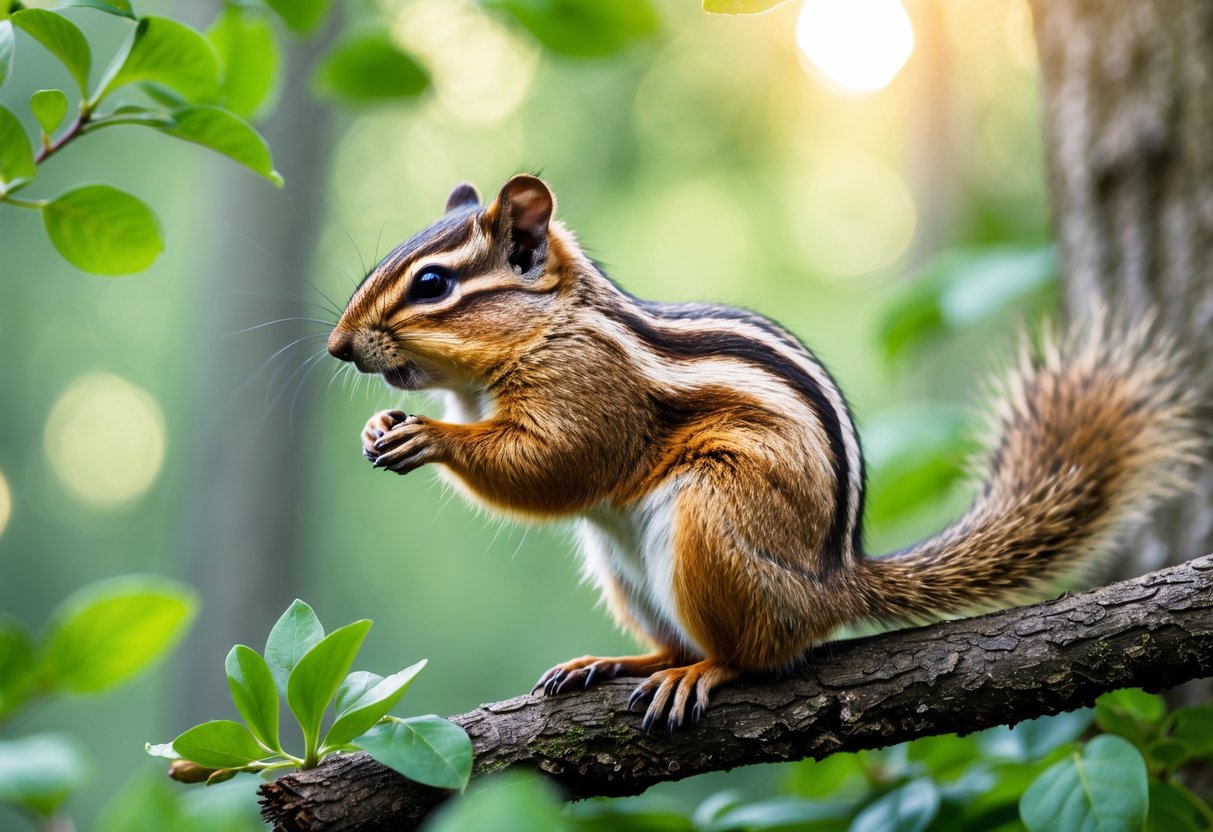
You’ll mostly find chipmunks in North America, though there’s that one species hanging out in Asia. They’re always storing food in their burrows, and honestly, they look like mini squirrels. It’s no wonder people get curious about where they fit in the rodent world.
Knowing chipmunks are rodents just kind of clicks when you see them digging and hoarding seeds. If you’re curious about what sets chipmunks apart, or why they act the way they do, stick around. There’s more to these little guys than just being cute faces in the wild.
Chipmunk Classification and Rodent Family

Chipmunks fall under the big rodent umbrella. They share a family with all kinds of squirrels, and they’re pretty closely related to both tree and ground squirrels.
Understanding their place in this group makes it easier to see how they relate to other little mammals, like rats.
Are Chipmunks Considered Rodents?
Yep, they’re definitely rodents. Rodents have those signature strong, sharp front teeth for gnawing, and chipmunks have them too.
They sit in the order Rodentia, right alongside other familiar faces. Chipmunks belong to the Sciuridae family, which is packed with different squirrels.
Most chipmunks live in North America, except for the Siberian chipmunk, which hangs out in Asia. Members of this family usually have bushy tails, move quickly, and either live in trees or on the ground.
Once you realize chipmunks are rodents, it’s easier to understand their habits—gathering food, digging burrows, and all that busywork.
Chipmunk Species: Eastern Chipmunk, Least Chipmunk, and Others
There are quite a few chipmunk species out there. The eastern chipmunk and least chipmunk are probably the most common names you’ll hear.
The eastern chipmunk (Tamias striatus) stands out as the largest and maybe the most famous. It has reddish-brown fur and mostly lives in eastern North America.
During winter, the eastern chipmunk hibernates and relies on food it’s stashed away.
The least chipmunk is smaller and hangs out in western North America. It doesn’t really hibernate, but it does count on its underground pantry to get through the cold.
There are about 23 other species, mostly found in the west, each with their own size and habitat quirks. Stripes are a given, but the rest can vary quite a bit.
These differences help chipmunks thrive in all sorts of places across the continent.
Relation to Squirrels, Rats, and Other Rodents
Chipmunks sit right in the squirrel family tree, close to tree squirrels, ground squirrels, and even flying squirrels. If you’ve seen a gray squirrel in your neighborhood, that’s a chipmunk cousin.
Rats are rodents too, but they’re a little further out on the family tree. They have longer bodies and tails, and you won’t catch them climbing trees or stuffing food in their cheeks quite like chipmunks do.
Chipmunks stand out with their stripes, those cheek pouches for hoarding snacks, and their smaller size compared to most tree squirrels.
It’s kind of cool to see how chipmunks fit into this big, busy family of small mammals. For a deeper dive, you can check out the rodent family Sciuridae.
Chipmunk Traits, Habits, and Role in Nature

Chipmunks may be small, but they’re always busy. You’ll spot them digging burrows or gathering seeds and bugs.
Watching how they move and what they eat gives you a better sense of their place in the ecosystem—and maybe why your garden sometimes looks a little raided.
Physical Features and Behavior
Chipmunks usually measure about 8 to 11 inches from nose to tail. Their backs show off those classic dark and light stripes, which help them hide in forests and rocky spots.
One thing that really stands out? Those cheek pouches. You’ll often see chipmunks stuffing food in their cheeks before darting back to their burrows.
They’re daytime creatures, always on the move to dodge predators. Sometimes you’ll catch them climbing trees, but they’re just as quick on the ground.
Their bushy tails give them balance, and their small bodies make them great at climbing and digging.
Habitat, Burrowing, and Daily Activity
Chipmunks turn up in forests, rocky places, and sometimes right in people’s backyards. They dig burrows that can stretch up to 11 feet underground.
Inside, they create different rooms for sleeping, storing food, and even a spot for waste. That’s some serious organization for such a tiny animal.
They’re busiest in spring, summer, and fall. When winter hits, chipmunks mostly stay tucked away in their burrows, living off the nuts and seeds they collected earlier.
During the day, you’ll see them foraging close to home, always keeping an eye out for danger.
Chipmunk Diet and Its Impact on Horticulture
Chipmunks eat all sorts of things. They go for seeds, nuts, fruits, plant material, insects, and sometimes even small frogs or bird eggs.
You’ll often spot them gathering food and stuffing it into their cheeks. Then they stash it away in their burrows for winter, making sure they’ve got enough when everything’s frozen over.
Sure, chipmunks help spread seeds and fungi, and that’s actually great for forests. But let’s be honest—they can be a real nuisance in your garden or on the farm.
They’ll nibble on veggies or raid your grains, which can really mess with your plants. If you know what chipmunks like to eat, you’ve got a better shot at protecting your garden while still appreciating the part they play in nature.
Curious for more? You can dive deeper into chipmunk habits and diet at Chipmunk – Wikipedia.


