
Ever watched chipmunks darting around your yard and wondered what they’re really after? It’s a fair question—are they hunting for acorns?
Yep, chipmunks love eating acorns. They grab them and stash them away for later.

But chipmunks don’t just eat any old acorns. They seem to go for red oak acorns more often since those acorns stay fresh longer and can last all winter.
Surprisingly, chipmunks have figured out ways to keep white oak acorns from sprouting so they can store those too. Pretty clever, right?
If you know what chipmunks actually eat, you’ll understand their habits a bit better. That might even help you protect your garden or bird feeder.
Curious about how chipmunks use acorns and what else they munch on? Let’s dig in!
Do Chipmunks Eat Acorns?
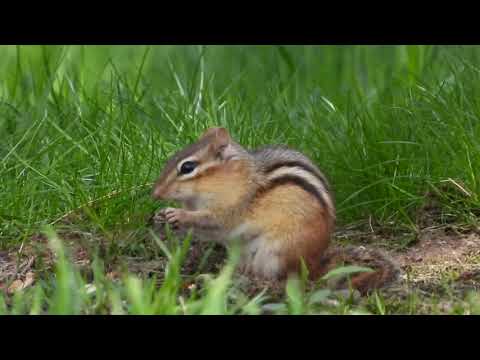
You might spot chipmunks stuffing acorns into their cheeks. These little guys rely on acorns from oak trees to get through the winter.
They don’t just eat them right away—they gather, stash, and sometimes even prep them first.
Acorns as a Key Food Source
Acorns are a top pick for chipmunks. They’re packed with nutrients and give chipmunks a real energy boost, especially when winter’s coming.
You’ll see chipmunks eating acorns from both white oak and red oak trees.
White oak acorns sprout fast after they fall, so chipmunks usually eat those right away. Red oak acorns take longer to sprout, so chipmunks save them for later.
This habit helps chipmunks make it through the months when food gets hard to find.
How Chipmunks Forage for Acorns
Watch a chipmunk for a while and you’ll see how busy they get under oak trees. They use those adorable cheek pouches to haul acorns—sometimes three or more at once.
They haul the acorns back to their burrows. If an acorn starts to sprout, chipmunks nip off the sprout before storing it.
That way, the acorn lasts longer and doesn’t lose energy to the sprout. Smart move, honestly.
Seasonal Eating Habits
Chipmunks really ramp up their acorn gathering in the fall. They’ll collect huge piles—sometimes up to 165 acorns in a single day!
When winter hits, they dig up their hidden stashes underground. That’s how they get by when there’s not much else to eat.
In spring and summer, chipmunks switch things up and eat more berries, insects, and seeds from other plants.
If you want to dive deeper into chipmunk behavior and their acorn habits, check out TrekOhio.
What Else Do Chipmunks Eat?

Chipmunks don’t just stick to acorns. Their diet’s actually pretty varied.
They’ll eat all sorts of seeds, nuts, fruits, and even small critters. Chipmunks have some clever tricks for collecting and hiding their food, too.
Seeds and Other Nuts
Seeds and nuts make up a big chunk of what chipmunks eat. Hazelnuts, sunflower seeds, and pecans seem to be favorites.
These foods pack in the energy chipmunks need to survive those long, cold months.
You’ll often see chipmunks gathering nuts and seeds in spring and summer. They stash them away in burrows or other secret spots.
Eastern chipmunks, in particular, get pretty serious about picking the right nuts. They go for ones with tough shells and a good size—it just makes them easier to carry and store.
Fruits, Berries, and Plant Material
Chipmunks also go for fruits and berries. Blueberries, strawberries, wild berries—if it’s sweet and juicy, they’re probably interested.
These snacks give them extra vitamins and a bit of water. They’ll also eat mushrooms and grains, adding even more variety to their meals.
You might catch chipmunks picking fruit in the wild or even raiding your garden. They don’t just nibble on plants—they use them to stay healthy.
Insects, Bird Eggs, and Small Mammals
Chipmunks aren’t just plant eaters—they’re omnivores. Sometimes, they’ll snack on insects like beetles and ants.
That extra protein comes in handy. Occasionally, chipmunks eat bird eggs or even small mammals if they get the chance.
It’s not super common, but it does happen, especially when other food is scarce.
Eating insects and eggs gives chipmunks nutrients they can’t get from plants. It keeps their diet balanced, which probably helps them stay so active.
Food Storage and Cheek Pouches
Chipmunks have this really neat trick for storing food. Their cheek pouches stretch surprisingly wide—kind of wild when you see them jam-packed with nuts, seeds, or even berries.
They’ll stuff their cheeks, then dash back to their burrows or some secret stash. It’s like a built-in grocery bag.
Sometimes you’ll find a chipmunk with hundreds of acorns tucked away. That stash helps them get through winter, especially when food gets hard to find.


