
If your dog can’t stop thinking about chipmunks, it’s probably because of their natural hunting instincts. Dogs just have that prey drive—they want to chase anything small and quick, like chipmunks. Their ancestors relied on this urge to hunt for food, and that instinct still lingers.
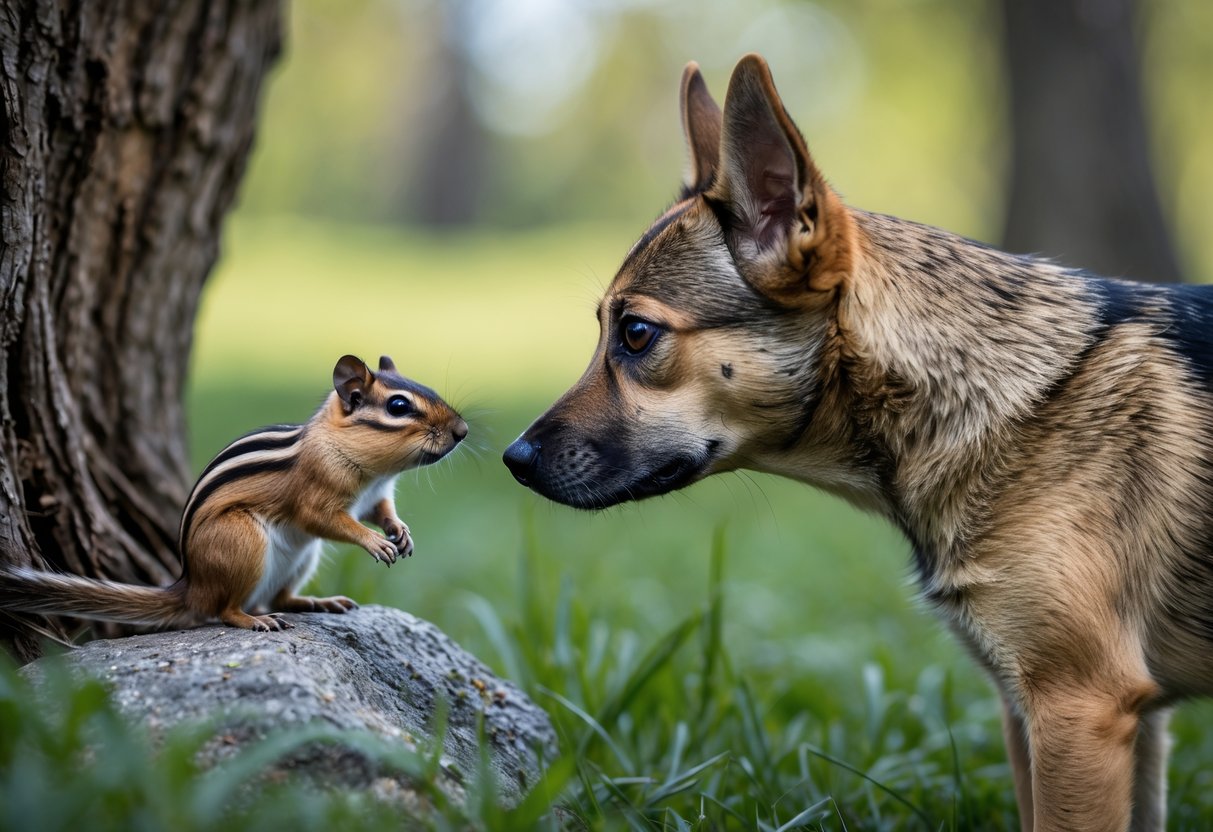
Your dog might also just be curious or looking for a little fun. Sometimes, chasing chipmunks becomes a habit, and then it’s tough to get their attention back.
If you can figure out why your dog’s so into chipmunks, it gets easier to manage the behavior and keep them out of trouble.
Redirecting your dog’s focus and working on their impulse control can make walks and playtime way less stressful. Want to dig deeper into why dogs get chipmunk-obsessed and how to deal with it? Stick around. You can check out this article for more details on dogs and their chipmunk obsession.
Key Reasons Dogs Become Obsessed With Chipmunks

Dogs get hooked on chipmunks for a bunch of reasons. Sometimes it’s just instinct, sometimes it’s their breed, or maybe it’s the chipmunk’s smell and movement.
Habit can play a role too, and before you know it, your dog’s obsession seems unstoppable.
Instincts and Prey Drive
Your dog chases chipmunks because of their prey drive. They come from a long line of hunters, so that urge to chase small, fast animals is in their DNA.
When a chipmunk darts across the lawn, your dog can’t help but react. Most dogs just can’t resist a moving target.
It isn’t about being hungry—it’s just how they’re wired. You’ll probably notice your dog gets hyper-focused, maybe even a little frantic, when a chipmunk appears.
Breed-Specific Behaviors
Some breeds just love to chase. Herding dogs like Border Collies, for example, fixate on movement.
They’ll go after shadows, tails, and, yep, chipmunks. Their genetics encourage this intense focus.
Breeds like Bull Terriers or German Shepherds sometimes get stuck in repetitive behaviors. If your dog’s breed is prone to this, the chipmunk obsession might be totally normal for them.
Knowing your dog’s breed helps you figure out if this is just who they are, or if it’s something you need to work on.
Scent and Sensory Stimulation
Chipmunks leave behind strong scents that dogs find irresistible. Dogs smell way better than we do.
When a chipmunk scurries through your yard, its scent sticks to everything. Your dog will keep coming back, sniffing around for clues.
That sensory rush keeps them interested. If your dog caught a whiff of a chipmunk recently, they’ll keep searching for that smell, acting obsessed.
Chasing as a Compulsive Behavior
Sometimes, a dog’s chipmunk obsession goes overboard and turns into a compulsion. Dogs with compulsive issues repeat actions even if it stresses them out.
You might see dogs spin or chase their tails nonstop. If your dog keeps chasing chipmunks even when none are around, it could be a compulsive thing.
This usually needs help from a vet or a trainer. If you want to learn more, check out PetMD’s guide on compulsive behaviors in dogs.
Addressing and Managing Obsessive Chipmunk Fixation

Helping your dog move past a chipmunk obsession takes time and patience. You’ll need to watch for signs that things are getting out of hand.
Training can help you redirect their focus, and making sure your dog has enough to do can keep their mind off chipmunks.
When To Seek Help From a Dog Behaviorist
If your dog’s obsession makes them anxious, too excited, or even causes self-injury, you should call in a professional. A dog behaviorist can figure out what’s going on.
They’ll look at your dog’s triggers and personality. Some dogs need more than basic training, especially if stress or boredom drives their obsession.
A specialist will check out your dog’s daily routine and spot hidden stressors. Working with a behaviorist gives you better tools to handle the obsession safely.
Training and Redirection Techniques
You can teach your dog to ignore chipmunks if you reward calm behavior. Keep your dog on a leash, and when they look away from a chipmunk or stay chill, give them a treat or some praise.
That way, your dog starts to connect calmness with something good. Try using “leave it” to interrupt the obsession.
Practice these commands in easy situations before heading outside. Games and toys can also pull your dog’s attention away from chipmunks.
Regular sessions help your dog focus and make the chipmunk chase less tempting.
The Role of Environmental Enrichment
Sometimes, your dog just has too much energy and doesn’t know what to do with it. Try adding some puzzle toys, regular walks, or even a bit of agility practice.
These activities give your dog something to focus on and help them chill out. Honestly, a tired dog is usually a happy one.
You can also set up a chipmunk-free zone by closing the blinds or steering your dog away from windows where chipmunks appear. If you offer more interactive toys and playtime inside, your dog might not care as much about what’s going on outside.
Keeping your dog busy—both physically and mentally—really does make a difference in obsessive behaviors.
For more tips, check out My dog is obsessed with the chipmunks! – Dog Forum.


