
Ever spot a chipmunk darting around your backyard and wonder if you could actually keep one as a pet? Honestly, chipmunks usually aren’t great pets—and in a lot of places, it’s illegal to have one. These little guys are wild at heart, and their needs can be surprisingly hard to handle at home.
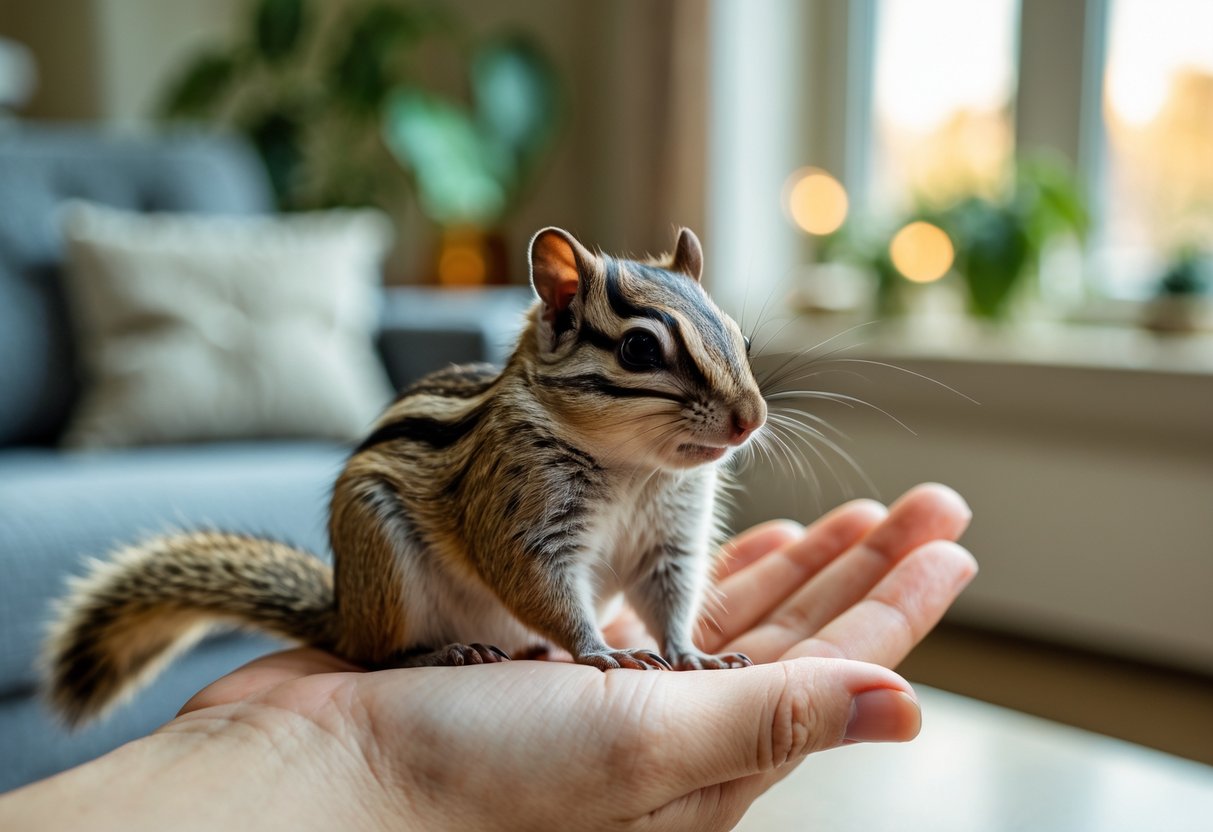
Sure, they’re adorable and seem playful, but chipmunks crave space to dig, climb, and stash their snacks just like they would outdoors. They might even carry diseases, and most don’t warm up to handling.
If you’re curious about what’s really involved in caring for a chipmunk or whether you can legally have one where you live, stick around. Let’s look at the real challenges and rules before you make up your mind.
Understanding Chipmunks as Pets

If you want a chipmunk, you’ll need to check the rules in your area and learn how these tiny animals actually behave. Think about the legal stuff first, then figure out what chipmunks need to stay happy.
Legal Considerations and Regulations
Start by looking up your local laws. In plenty of states and countries, people can’t keep chipmunks as pets because they’re wild animals. These laws protect both wildlife and public health.
Some places allow pet chipmunks, but you might need a permit or have to follow strict care rules. If you ignore these rules, you could get fined or lose your pet.
Reach out to your local wildlife office or do some research online. It’s worth double-checking before you get attached to the idea.
Temperament and Behavior at Home
Chipmunks buzz with energy and curiosity. They love to climb, dig, and poke around, so you’ll need to give them space and fun toys.
They’re social and enjoy interacting with you or other chipmunks. If you can, get a pair so they don’t get lonely.
Be gentle and patient—chipmunks might bite if they feel scared, but with time and soft handling, they might learn to trust you. Some chipmunks even figure out litter training if you’re consistent.
Watch how they move and listen for their sounds. Their body language tells you a lot about how they’re feeling.
Essential Care and Diet for Pet Chipmunks

You’ll need to give your chipmunk a balanced diet, safe snacks, daily exercise, and keep an eye on its health. Paying attention to the little things goes a long way for their well-being.
Ideal Diet: Nuts, Fruits, and Vegetables
Chipmunks eat a mix of nuts, fruits, and veggies. Unsalted peanuts work for protein and healthy fats, but don’t overdo it. Fresh fruits like grapes and pears are tasty, though you should keep portions small—too much sugar isn’t great.
Toss in veggies like carrots, leafy greens, and squash every day. Oranges are fine once in a while, but only in tiny pieces. Grains and seeds round out their meals, and some insects offer extra protein.
Keep water fresh and available all the time. Try not to switch up their food too quickly, or you might upset their stomach.
Safe Treats and Toxic Foods to Avoid
Stick to natural, healthy treats. Small bits of fruit like pears or grapes are okay, but go easy on the treats. Skip processed snacks and anything salty.
Never give your chipmunk chocolate, avocado, or onions—they’re toxic. Avoid caffeine, alcohol, and raw beans or potatoes too. Those can make them sick.
Introduce new foods slowly and watch for any bad reactions. Keeping it simple is usually safest.
Daily Enrichment and Exercise Needs
Chipmunks need to move and explore every day. Let them out to play in a safe, enclosed spot outside their cage if you can.
Inside the cage, add tunnels, wheels, and chew toys to keep them busy. Climbing branches and hidden treats encourage their natural foraging instincts.
Handle your chipmunk with care and don’t force it. Remember, they’re wild by nature, so a stimulating environment really helps them thrive.
Health Monitoring and Veterinary Tips
Take a good look at your chipmunk’s behavior, eyes, and fur every day. Healthy chipmunks usually seem alert, clean, and have those bright, curious eyes.
If you see your chipmunk acting sluggish, swelling anywhere, or losing weight, reach out to a vet who understands small rodents. It’s better to ask than to wait and worry.
Clean their cage regularly so you can help prevent infections or parasites. Try not to change their diet suddenly—chipmunks don’t handle digestive surprises very well.
If your chipmunk looks sick, don’t put off that vet visit. Jot down any symptoms and what they’ve been eating, so you can give the vet a clear picture.
For more diet details, you might want to check out Pet Perfection’s guide on feeding chipmunks.


