
Ever wondered if chipmunks live in the UK? The answer might catch you off guard. Yes, you can find chipmunks in the UK, but they aren’t native here. Most end up in the wild after escaping or being let go by pet owners. The Siberian chipmunk pops up most often, especially around the southeast of England.
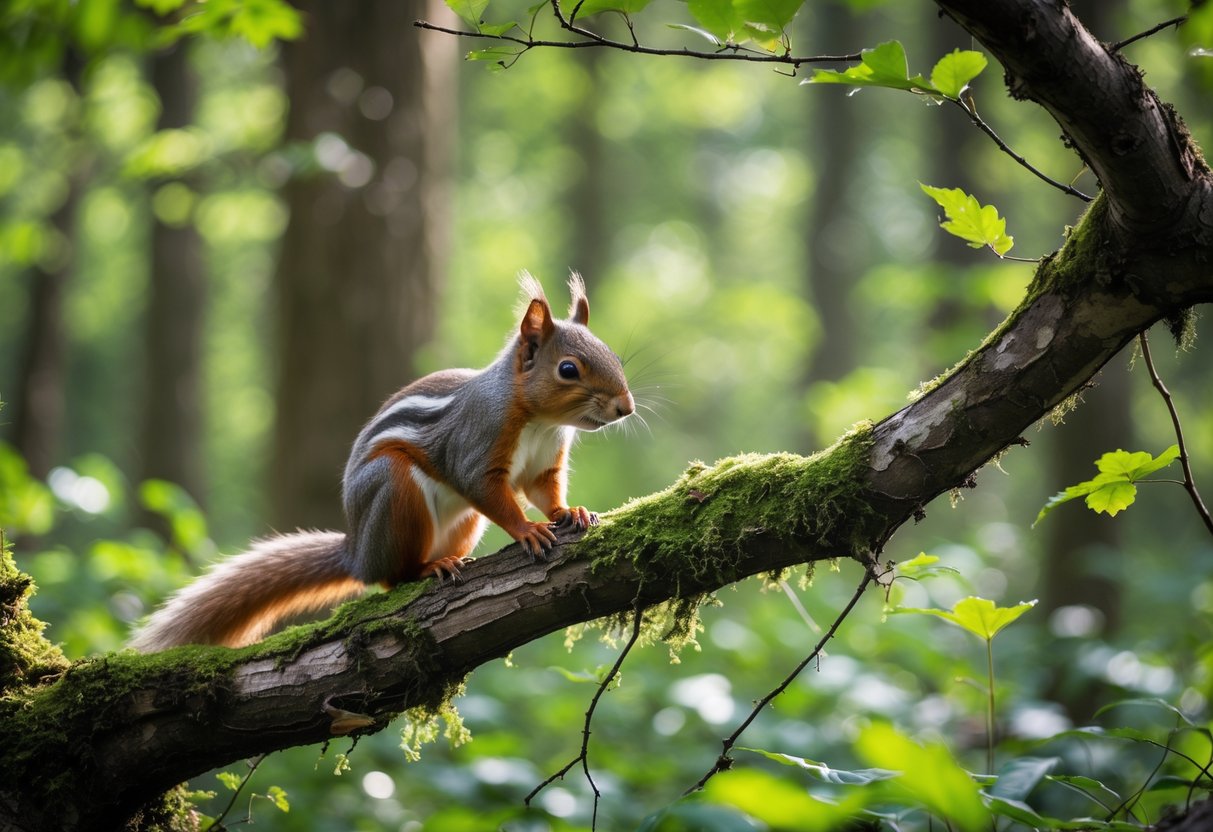
People usually keep these striped little creatures as pets. Over time, though, some have formed small wild groups.
You might catch a glimpse of one in a park or woodland, but honestly, they’re still pretty rare compared to native animals like squirrels.
Their presence makes you wonder about their effect on local wildlife and habitats.
Are Chipmunks Found in the UK?
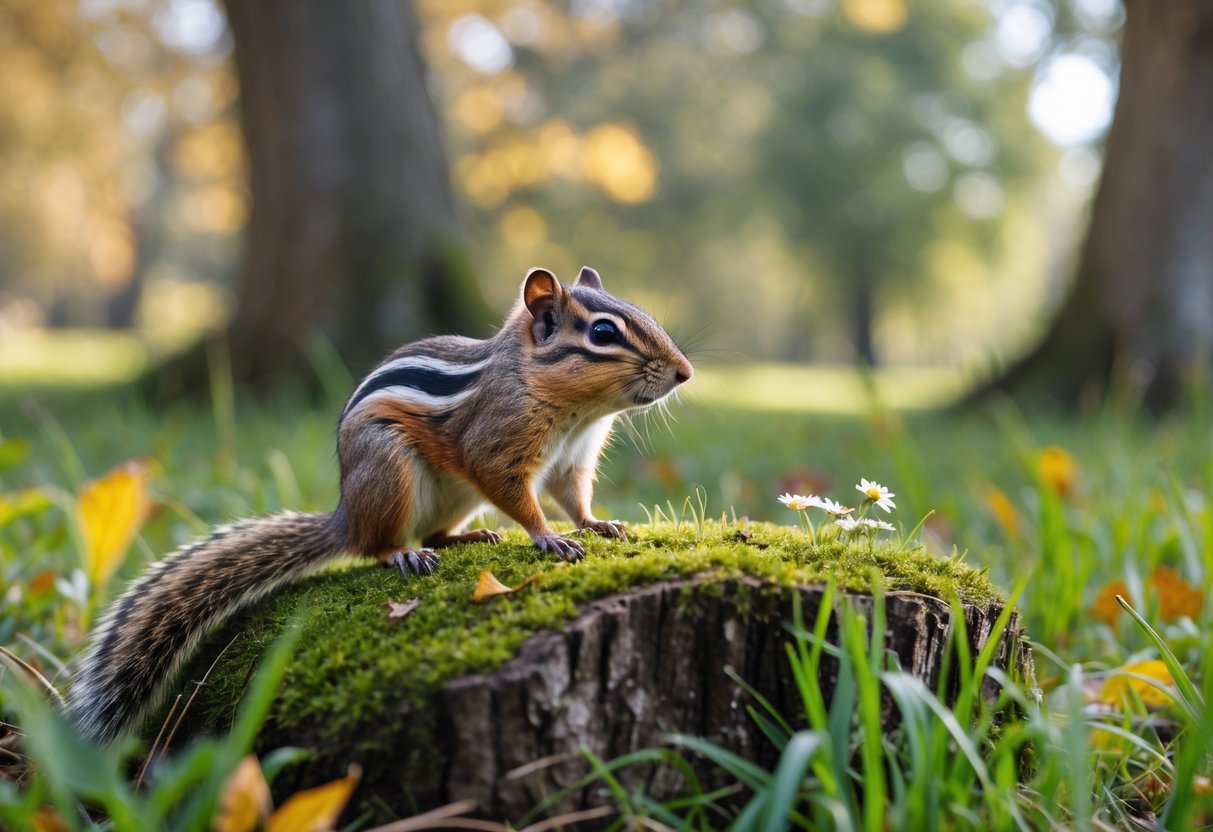
It might surprise you, but chipmunks do exist in the UK, even though they aren’t native. Most you’ll hear about here are Siberian chipmunks.
They come from faraway places, yet a few have managed to live wild in certain spots.
Natural Distribution of Chipmunks
Most chipmunks hail from North America. For example, the eastern chipmunk is everywhere in the forests of the US and Canada.
Siberian chipmunks, on the other hand, come from parts of Asia like Siberia, Korea, and China.
You won’t find any chipmunks naturally living in the UK. These animals like woodlands and forest edges where they can burrow and forage.
Their stripes help them blend into the leaves. Unlike squirrels, chipmunks stash food like nuts and seeds to survive the winter.
Siberian Chipmunks in the UK
The Siberian chipmunk is really the only species you’ll run into in the UK. It’s a small, striped rodent, usually about 18–25 cm long.
These chipmunks started showing up mainly in southeast England.
Around 1,000 Siberian chipmunks now live wild, mostly near the Channel Tunnel. People consider them invasive since they compete with our native wildlife for food and shelter.
After some legal changes in 2016, the UK made it illegal to own or breed Siberian chipmunks as pets. This move aimed to control their spread.
How Chipmunks Arrived in Britain
Siberian chipmunks probably got here because people accidentally or intentionally released them. The Channel Tunnel gave them a possible route from the continent, and some escaped into the wild.
Some chipmunks were once kept as exotic pets but got released, or they escaped over time. This allowed small groups to survive outside captivity.
The UK government now restricts chipmunk trade due to the risks they pose to the environment.
Want more detail? Check out this article about exotic creatures thriving in the UK.
Chipmunks as Pets in the UK

Thinking about keeping a chipmunk as a pet in the UK? There are a few important rules and care tips you should know.
These little rodents need special treatment, and there are legal restrictions since they aren’t native here. Especially Siberian chipmunks—they’re considered invasive.
Care Requirements for Pet Chipmunks
Chipmunks are active, curious, and need loads of exercise and mental stimulation. They’re part of the Sciuridae family, like tree squirrels, so they love to climb and explore.
You’ll need to spend time with your chipmunk to keep it happy. Don’t handle them roughly—tamias species like Tamias striatus can get stressed out fast.
If you’re new to chipmunks, get ready for their speed and constant need for a fun environment.
Remember, UK law says you can only keep chipmunks as pets if you got them before 2016. You can’t let them breed or escape into the wild.
Housing and Enclosure Essentials
Your chipmunk’s enclosure should be secure, escape-proof, and roomy enough for climbing and digging. A good minimum size is 90cm x 60cm x 60cm.
Add branches, tunnels, and hiding spots to make things interesting and mimic their natural world.
Use solid floors and mesh sides for ventilation. Don’t put the enclosure in damp or freezing spots—chipmunks don’t do well in extreme temperatures.
Throw in nesting materials like shredded paper or hay so they can stay cozy.
Clean the enclosure regularly. Take out leftover food and waste every day, and give the whole cage a proper clean once a week with pet-safe disinfectant to help prevent disease.
Diet and Health for UK Owners
Chipmunks eat just about anything—they’re omnivores and really need a mix. Try giving them seeds, nuts, fruits, and veggies, plus some good-quality rodent pellets to cover the basics.
Toss in some protein now and then, like mealworms or even a bit of boiled egg. Always make sure they’ve got fresh water, whether it’s in a bottle or a bowl.
Keep an eye out for things like weight loss, tiredness, or changes in their fur. Honestly, chipmunks move so fast and stay so small that you might miss early signs of trouble, so it’s smart to book regular vet visits.
Skip chocolate, sugary snacks, or junk food—those can really mess with their health. Giving them a balanced diet goes a long way toward keeping them lively and sticking around for years.
If you want to dig into the legal side of keeping Siberian chipmunks in the UK, the official rules for invasive alien species are here.


