
If you’ve seen little chipmunks darting around your yard or garden, you might wonder if they’re just cute visitors or actual troublemakers. Chipmunks often become pests because they dig up gardens, damage homes, and chew on things you’d rather they didn’t. They might look harmless, but their digging and chewing can turn into bigger headaches—think ruined plants and even structural damage.
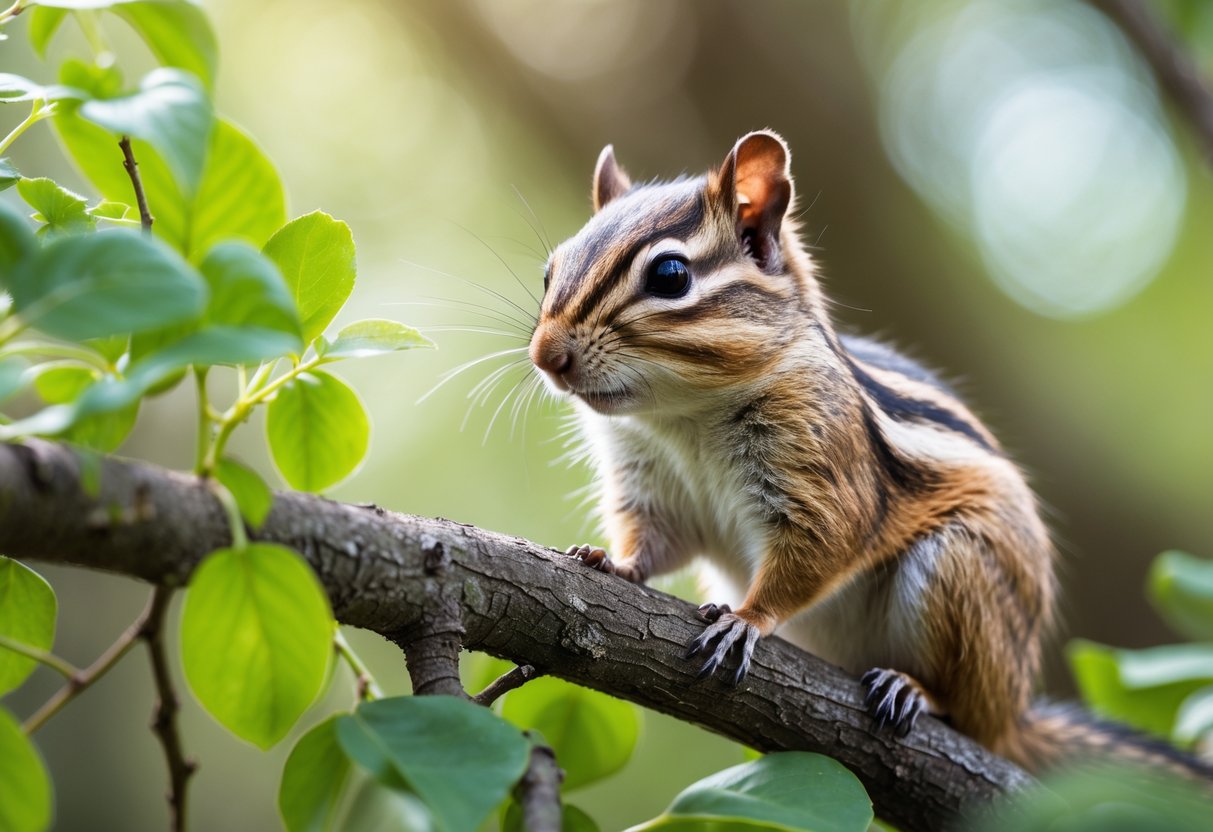
At first, chipmunks seem charming. But when they dig holes under patios or chew on wires and insulation, they quickly become a nuisance.
They stash food in hidden chambers, which sometimes attracts even more critters to your place. Understanding their behavior can help you figure out how to protect your space.
Chipmunks don’t usually threaten people directly, so it’s easy to ignore the problems they cause. Still, if you let them be, their presence can lead to expensive repairs.
If you want more details on chipmunk damage, check out this chipmunk pest information.
Are Chipmunks Considered Pests?

Chipmunks might look cute, but people often run into problems with them. They dig burrows that damage property, munch on your garden, and stash food in all sorts of places.
If you get to know their habits, you’ll see why many folks call them pests.
Why Chipmunks Are Seen as Pests
Eastern chipmunks (Tamias striatus) and least chipmunks are busy gatherers. They collect nuts, seeds, and berries, then stuff them into burrows.
These burrows can run deep and long, sometimes weakening patios or foundations. That’s no small issue.
Chipmunks hang around yards because they love bird feeders and gardens. Their habit of living close to people means they sometimes chew on wires or parts of your house.
Even though they’re small, chipmunks stay active most of the year in many places. That means the damage can be ongoing, not just a one-time thing.
People mainly call them pests because of the harm they do to homes and gardens.
Types of Damage Caused by Chipmunks
Chipmunks dig tunnels that loosen soil under decks, walkways, or even the foundation of your house. These tunnels usually have several chambers for nesting and food storage.
They chew on all sorts of things to keep their teeth from growing too long. Pipes, electrical wires, insulation, and wood can all end up damaged.
If they get into garages or sheds, they might ruin boxes or even clothing. It’s not exactly what you want to find.
Gardens take a hit, too. Chipmunks eat flower bulbs, seedlings, fruits, and veggies. When they raid bird feeders, they can waste a lot of seed.
Behavior Differences: Nuisance vs. Pest
You might see chipmunks as more of a nuisance than a real threat. They usually avoid people and bolt if you get too close.
They rarely bite unless they feel trapped, but they can carry parasites or diseases. That’s something to think about.
If you ignore them, their digging and chewing might lead to serious damage around your place. That’s when they cross the line from nuisance to pest.
While chipmunks like the eastern or least chipmunk tend to be shy, their habits can cause problems you’ll want to manage.
For more on chipmunk damage and behavior, here’s a chipmunk facts page.
Identifying and Managing Chipmunk Problems

You might spot damage in your lawn or garden, or maybe you hear odd noises near your house. If you know how to spot chipmunk activity and take steps to prevent or control it, you can protect your property without harming chipmunk pups or other wildlife.
Common Signs of Chipmunk Activity
Look for small burrow entrances, about two inches wide, in your yard. These usually pop up near foundations, decks, or woodpiles.
Chipmunk burrows can stretch 20 to 30 feet, with chambers for nesting and storing food. That’s a lot of underground real estate for such a small animal.
You might see holes in your flowerbeds, gardens, or lawns. Chewed plants, bulbs, and scattered food are other giveaways.
Sometimes you’ll spot their furry cheeks stuffed with food around their burrows. It’s pretty obvious once you know the signs.
Chipmunks tend to be most active early in the morning and late in the afternoon. If you hear rustling or scratching at those times, chipmunks might be the culprits.
Effective Prevention Techniques
Seal up cracks and gaps in your home’s foundation or walls to keep chipmunks out. Use rodent-proof materials like metal flashing or wire mesh.
Store garbage and pet food in containers chipmunks can’t get into. That’s one less invitation for trouble.
Clear away brush piles, woodpiles, and thick ground cover near your house. These spots make great hiding places for chipmunks.
Try planting bulbs and flowers with barriers to protect them from digging. Sometimes it’s the only way to keep your garden safe.
Repellents or motion-activated lights might help, but sturdy barriers usually work better.
Control and Removal Methods
If chipmunks become a real problem, you can try live trapping as a humane solution. Remember to check traps daily so you don’t leave any chipmunk pups stranded.
Skip the poisons—they can harm pets and other wildlife, plus you really don’t want to deal with animals dying in hard-to-reach spots.
If a burrow sits close to your house’s foundation, you might need a professional to handle removal or exclusion safely.
Once you’ve removed the chipmunks, fill in the burrows and fix any damage to keep new ones from moving in.
Legal Considerations for Chipmunk Management
Chipmunks are wild animals, and honestly, some places protect them with local laws. So, before you do anything, you should check your area’s wildlife regulations.
Try not to disturb chipmunk nests during breeding season. You don’t want to accidentally harm pups.
Most of the time, people need to use humane methods—think live trapping or exclusion. That’s what the rules usually call for, or at least strongly suggest.
If you’re unsure, reach out to your local wildlife agency or a pest control pro. They’ll help you handle chipmunk problems without breaking any laws.
For more details on pest control, check out chipmunk control and removal.


