
So, your dog just ate a chipmunk. Is that dangerous? Most dogs handle it fine, but you should still watch for vomiting, diarrhea, or if they suddenly seem really tired. Sometimes, chipmunks carry parasites or bacteria that can mess with your dog’s stomach or even cause infections.
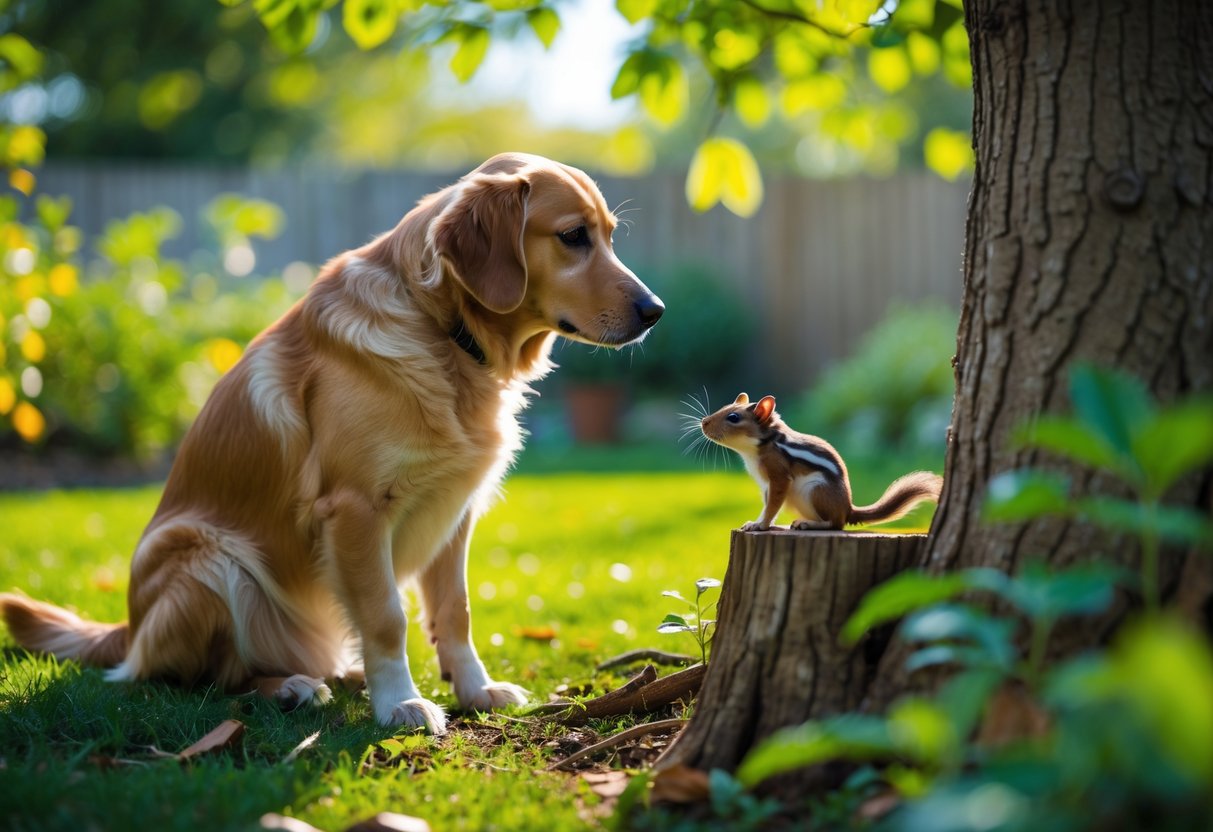
Keep an eye on your dog’s behavior and health after something like this. If your dog seems extra tired, refuses food, or acts weird, it’s time to call your vet. It pays to know what to look for so you can keep your furry buddy safe.
What Happens If My Dog Eats a Chipmunk?

If your dog eats a chipmunk, you’ll want to act quickly and know what signs to watch for. There are some risks, like parasites or infections, that can pop up. If you know when to call your vet, you’ll keep your dog safer.
Immediate Steps to Take After Ingestion
Start by checking your dog for any injuries, especially around the mouth. Chipmunks can scratch or bite before your dog catches them, so look for bleeding or swelling.
Don’t try to make your dog throw up unless your vet says it’s okay. Chipmunk bones might hurt your dog’s throat or stomach.
Keep your dog calm and watch for signs of discomfort.
Make a note of when your dog ate the chipmunk and about how much. This info helps your vet decide what to do.
Potential Health Risks and Symptoms to Watch For
Chipmunks sometimes carry parasites like roundworms or tapeworms. If your dog eats one, they could get infected.
Watch for vomiting, diarrhea, or signs your dog’s stomach hurts. You might notice your dog seems tired or isn’t interested in food.
Occasionally, chipmunks carry diseases. Rabies is rare, but it’s possible, especially if your dog got bitten or scratched.
If you spot worms in your dog’s stool or they get very weak, take it seriously.
When to Contact Your Veterinarian
Call your vet if your dog keeps throwing up, has diarrhea for more than a day, or just seems unusually tired.
Reach out if your dog has cuts or bites from the chipmunk. Wounds like these can get infected.
If your dog isn’t up to date on rabies shots or if the chipmunk acted odd, your vet might suggest extra tests or treatment.
The vet might recommend deworming or a check-up to be sure your dog didn’t pick up anything nasty.
Want more details? Check out what to do if your dog eats a dead chipmunk.
Understanding Prevention and Natural Behaviors
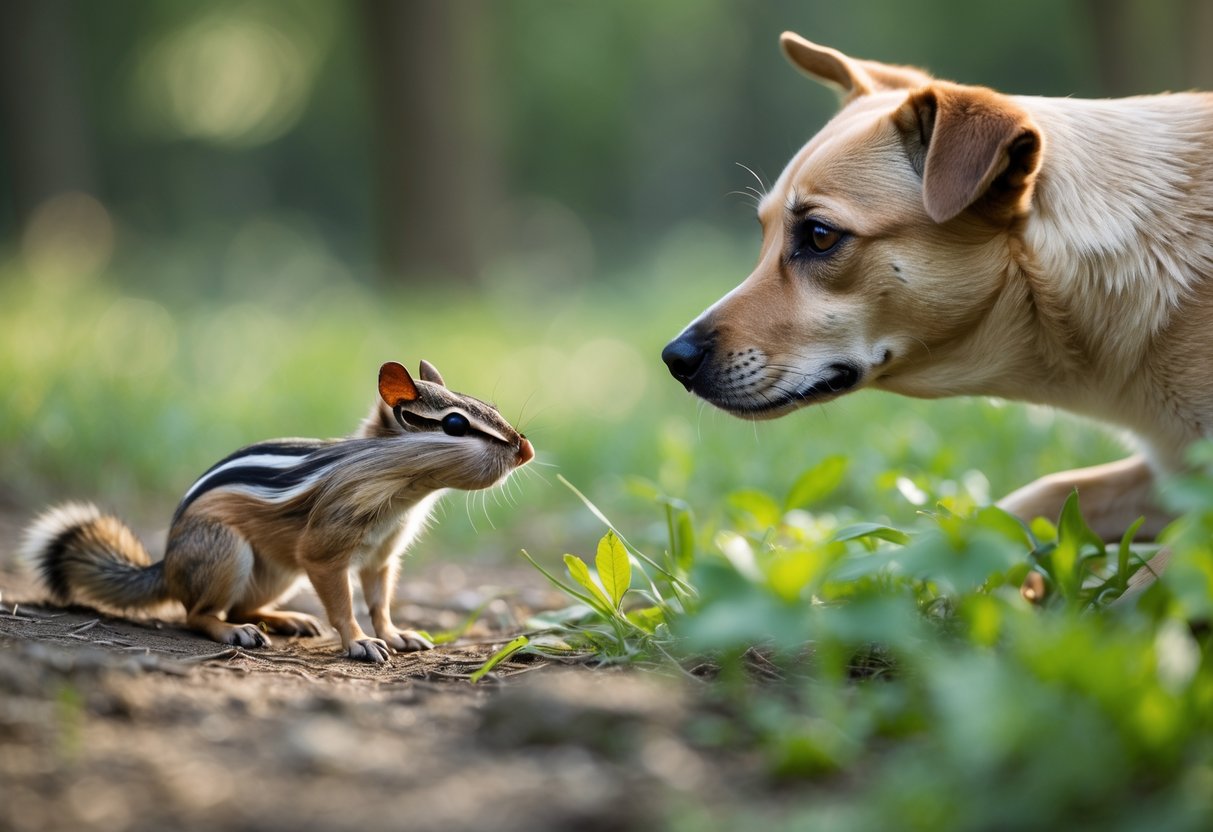
Dogs act on instincts that make them chase or catch small animals like chipmunks. This hunting drive comes naturally, but you can manage it with the right training and awareness.
It’s also smart to know how other animals like foxes or coyotes interact with chipmunks and your dog’s environment.
Why Dogs Are Attracted to Chipmunks
Your dog’s love for chasing chipmunks comes straight from their wild ancestors. Chipmunks move fast and make sudden noises, which really gets your dog’s attention.
Some breeds—like Terriers and Hounds—have a stronger urge to chase because people bred them for hunting.
Most dogs don’t eat chipmunks because they’re hungry. The thrill of the chase is what excites them. If you know this, you can focus your training and maybe stop it before it starts.
The Role of Training in Preventing Incidents
Training helps you stop your dog from catching chipmunks. Teaching “leave it” and “drop it” gives you control when wildlife shows up.
Start practicing these commands in calm spots, then add distractions. Give your dog treats and praise when they listen.
Watch your dog closely, especially on walks where chipmunks might be around. Keep your dog on a leash or a long line to prevent sudden chases.
Consistency takes patience, but it pays off. The more you practice, the better your dog will respond.
Wildlife Interactions: Foxes, Coyotes, and Other Predators
Foxes and coyotes love to hunt chipmunks. These predators roam around neighborhoods, and honestly, sometimes they might even target your dog.
Foxes tend to steer clear of dogs. Still, if they spot small animals hanging out near your yard, they won’t pass up the opportunity.
Coyotes act bolder. Sometimes, I worry they might see small dogs as prey.
Keep your dog close, especially around dawn or dusk. That’s usually when these animals show up.
Try putting up sturdy fencing to keep wildlife out of your yard.
Chipmunks aren’t just cute—they’re a key part of the food chain. Maybe that explains why your dog gets so worked up around certain animals.


