
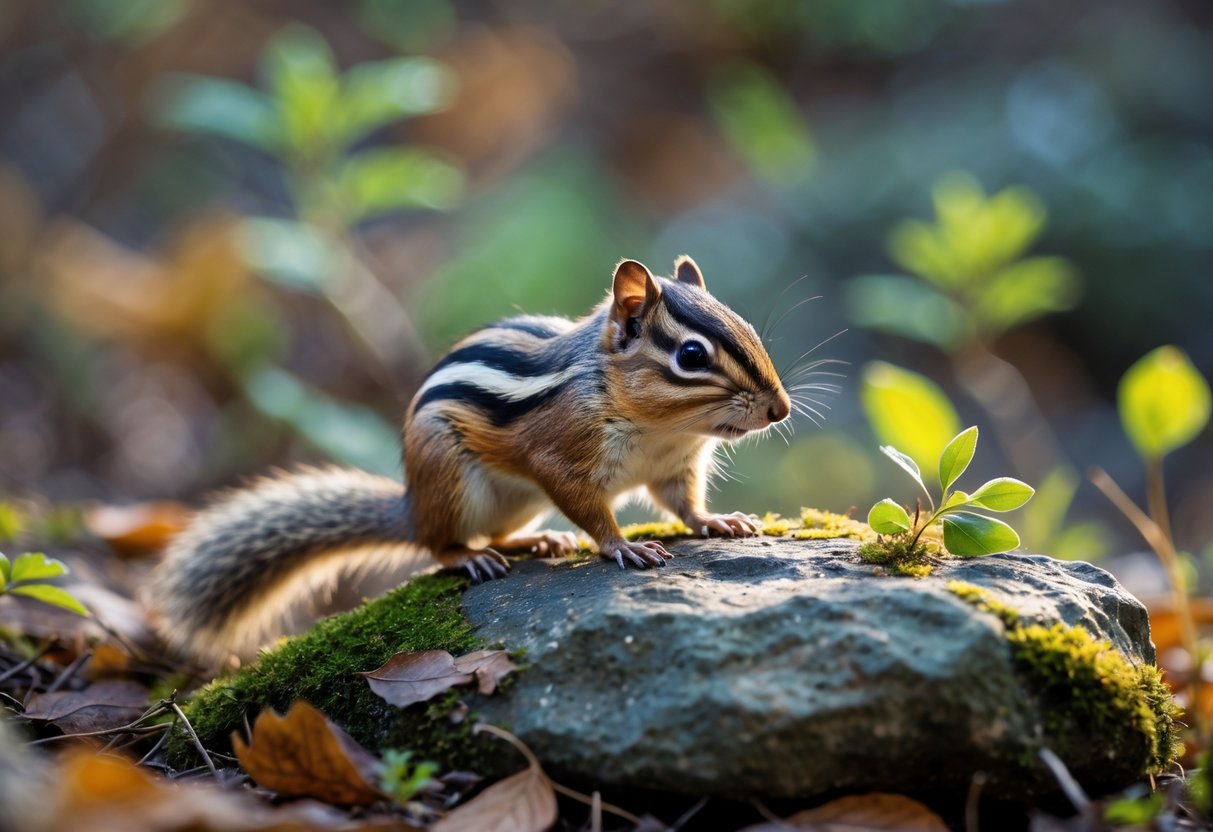
If you’ve ever watched a chipmunk dart around, you probably wonder why these little guys don’t stick around for long. Chipmunks have a short lifespan mainly because they face so many dangers—predators, rough weather, and diseases just to name a few. Their tiny size makes them easy targets, and honestly, surviving in the wild isn’t easy for anyone that small.
You might not expect it, but humans add to their risks too. Chipmunks can get caught in traps or hit by cars, which happens more often than you’d think.
Plus, when their environment changes—like if winters get warmer—it can mess with their hibernation habits. That, in turn, affects their lifespan.
Main Reasons Behind Chipmunks’ Short Lifespan
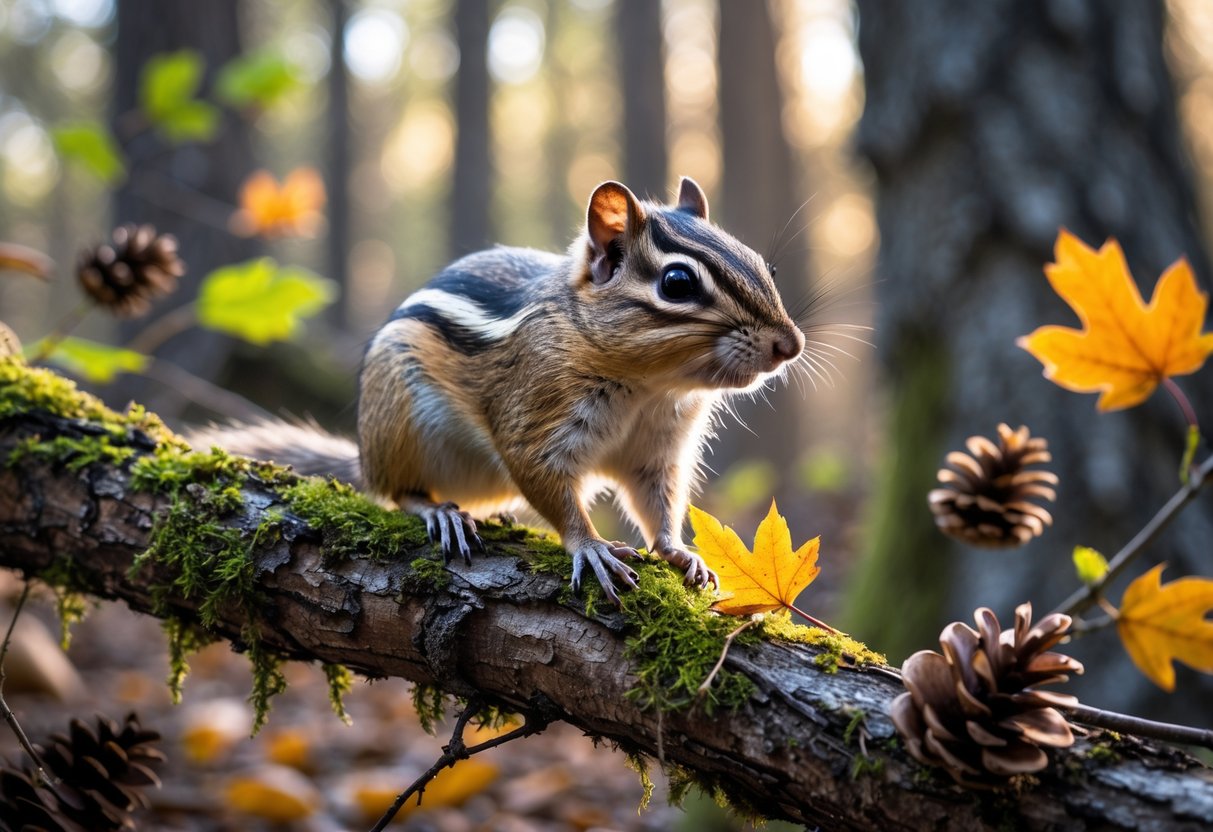
So, why don’t chipmunks live as long as other animals? Several things in their daily lives and biology limit how long they stick around.
Threats from predators, the way their bodies age, and even their species traits all play a part.
Natural Predators and Environmental Dangers
Predators like snakes, hawks, and foxes go after chipmunks all the time. Because chipmunks live mostly on the ground and don’t get very big, they end up as easy prey.
Humans also create dangers. Cars and traps in backyards or forests can be deadly for them.
On top of that, harsh weather, disease, and not enough food during certain seasons make life even tougher.
Role of Aging in Chipmunk Mortality
As chipmunks get older, their bodies just can’t keep up. They lose speed and strength, which makes escaping predators harder.
Their immune systems start to fail, so they get sick more easily. Chipmunks mature fast and don’t waste time—they focus on breeding early.
This quick life cycle is common in small mammals. It helps their population bounce back, even though most don’t live long.
Genetic and Species-Specific Factors
Different chipmunk species have different lifespans. For example, Eastern chipmunks usually make it about 2 years, but Townsend’s chipmunks sometimes reach up to 10 years if they’re lucky and safe.
Genes decide how fast chipmunks age and how well they handle threats. Some chipmunks in North America have traits that help them survive locally, but these don’t really make them live longer.
These natural differences matter a lot for how long chipmunks last.
Habitat, Lifestyle, and Survival Challenges

Chipmunks live in forests, gardens, and sometimes even in cities. How well they find food, build shelter, and dodge danger shapes their whole lives.
All these things add up and help explain why chipmunks don’t get to grow old.
Impact of Diet and Food Availability
Chipmunks eat all sorts of things—nuts, seeds, berries, fruit, and insects. Their menu changes with the seasons.
In spring and summer, they snack on fresh foods. When fall rolls around, they stash away nuts and seeds for the winter.
They use those adorable cheek pouches to carry food back to their burrows. If food runs low, chipmunks can’t stay strong.
During breeding season, females especially need good food to care for their babies. Not enough food means weaker chipmunks, and that just makes everything else harder.
Burrowing Habits and Shelter Protection
Chipmunks dig pretty impressive burrow systems. These tunnels have nesting spots and storage rooms.
Their burrows can stretch up to 30 feet long and go 3 feet deep, giving them a safe place to hide from predators and bad weather.
You might only notice a tiny 1-2 inch hole as the entrance. Chipmunks often cover extra exits with leaves to keep out trouble.
When it gets cold, they spend most of their time underground, living off what they’ve stored. Shelter is crucial, but it’s not a guarantee.
Predators, floods, or people can still destroy their homes.
Effects of Human Encroachment and Urban Areas
When people build houses or start new gardens, chipmunks end up losing parts of their natural homes.
Urban areas change the kinds of food chipmunks find. Sometimes, they’ll sneak pet food or grab bird seed from your yard.
This new food source can help chipmunks get by, but it also brings them closer to pets and cars—definitely not ideal. Gardens might attract chipmunks, but they can also expose the little guys to traps or harsh chemicals.
Human activity keeps shrinking their safe spaces. It just makes survival tougher, which is probably why chipmunks usually only live two or three years in the wild.
If you’re curious about how they live or how long they last, check out Critter Control’s page on Chipmunk Behavior and Lifespan.


