
Ever wondered if a chipmunk could give you rabies if it bites or scratches you? Here’s some relief: chipmunks almost never carry rabies, and it’s really rare for them to pass it to people or pets. Most small rodents like chipmunks just don’t get rabies as often as bigger wild animals do.
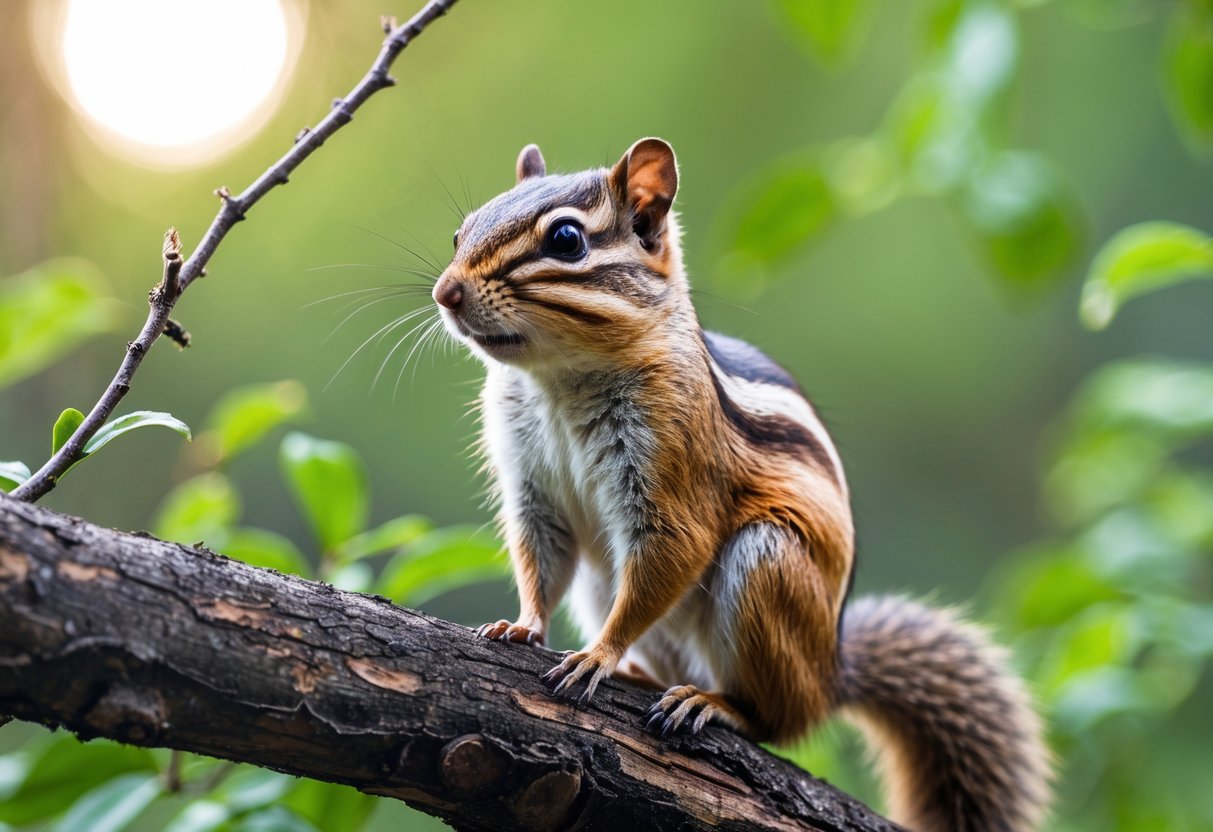
Still, it’s smart to be careful around any wild animal. If a chipmunk bites and breaks your skin, clean the wound right away and keep an eye out for signs of infection.
Knowing the facts about chipmunks and rabies can help you stay calm and make good choices for your health.
If you’ve ever worried after a chipmunk bite, learning a bit about these little guys and how rabies actually works might give you some peace of mind.
Let’s dig into why chipmunks hardly ever carry rabies and what you should do if you’re bitten.
Rabies in Chipmunks: How Common and Risky Is It?

Rabies in chipmunks? It’s super rare, though it can happen under the right circumstances.
Small rodents like chipmunks, mice, squirrels, and rabbits almost never get rabies. If you or your pet gets bitten, knowing the signs and how rabies spreads can help you stay safe.
If a chipmunk bites you, act fast to prevent rabies.
Incidence of Rabies in Chipmunks
You almost never see rabies in chipmunks. Only a handful of confirmed cases exist, like one in an eastern chipmunk, but those are exceptions.
Chipmunks hardly ever carry rabies because larger rabid animals usually kill them, stopping the disease from spreading among them.
While it’s technically possible for chipmunks to get rabies, it’s really unlikely. States like Indiana and New York don’t even count chipmunk bites as a rabies risk unless the animal seemed odd or there’s a rabies outbreak nearby.
Rabies Transmission in Small Rodents
Chipmunks and other small rodents—mice, rats, hamsters, gerbils, guinea pigs, rabbits, hares—can only get rabies if a rabid animal bites them.
That’s rare, since rabid animals usually kill rodents during attacks instead of just biting them.
Rabies spreads through saliva, so an unprovoked bite is the biggest risk.
If a chipmunk looks healthy and acts normal, the chance of rabies is basically zero.
Not sure what to do? You can always call your local health department for advice.
Signs of Rabies in Chipmunks
A chipmunk with rabies will act very differently from normal.
It might be weirdly tame or, on the flip side, aggressive. Sometimes it loses its usual fear of people or just behaves oddly.
Other signs? Staggering, drooling, attacking out of nowhere, or even paralysis.
These symptoms usually show up just days before the animal dies.
Watching for these things can help protect you and your family.
Rabies Risk After a Chipmunk Bite
Getting rabies from a chipmunk bite is extremely unlikely, but not impossible.
If you get bitten, wash the wound right away with soap and water.
Then, reach out to your healthcare provider or local health department.
They might recommend post-exposure prophylaxis (that’s a series of rabies shots) to keep you safe.
This treatment works best if you get it soon after the bite.
Let officials know about the bite so they can help you figure out what to do next.
Other Diseases Carried by Chipmunks

Chipmunks can carry a handful of illnesses that might affect you or your pets, mostly through fleas, ticks, or bites.
Some of these diseases are pretty serious, like plague, Lyme disease, and infections from bites.
Knowing about these risks helps you stay safer around chipmunks.
Plague and Flea-Borne Illnesses
Chipmunks sometimes host fleas that can spread plague, which is a serious disease.
Plague comes from bacteria and can pass to humans through flea bites.
Though it’s rare, cases still pop up in some places where chipmunks and squirrels live close to people.
You might not notice fleas on chipmunks, but if you have pets or spend time outdoors, fleas can hitch a ride on you or your animals.
Plague symptoms include fever, chills, and swollen lymph nodes.
If you notice these after being near wild rodents, don’t wait—get medical help.
Keeping your yard tidy and controlling fleas on pets helps lower your risk.
It’s best to avoid handling chipmunks or squirrels, especially if they’re acting strangely.
Lyme Disease and Ticks
Chipmunks often carry ticks that can spread Lyme disease, which is a common tick-borne illness.
Ticks latch onto chipmunks and wait for other animals, like pets or people, to walk by so they can jump on.
Lyme disease can cause a rash, fever, tiredness, and joint pain.
If you spend time outside in wooded or grassy spots where chipmunks live, check yourself and your pets for ticks.
Taking ticks off quickly cuts your risk of getting sick.
Wearing long clothes and using bug spray can help you avoid ticks.
Since chipmunks can boost tick numbers around your home, it’s smart to keep their activity near your yard in check.
Risks from Chipmunk Bites
Chipmunks might bite if they get scared or feel trapped. Their teeth, just like other rodents, can carry bacteria that slips into your body through a bite.
If a chipmunk bites you, wash the wound right away with soap and water. Keep an eye out for redness, swelling, or any pus.
It’s smart to see a doctor, especially if the bite feels deep or it really hurts. Even though rabies in chipmunks almost never happens, you shouldn’t brush off any animal bite.
Try not to handle wild chipmunks, and you’ll lower your risk of getting bitten. Got pets? Keep them away from chipmunks too, since they could get bitten.
For more details about chipmunk diseases, check out this guide on diseases carried by chipmunks.


