
So, you’re thinking about getting a pet chipmunk. It’s not as easy as just walking into a pet store. Chipmunks are illegal to buy or sell in many places, and honestly, they don’t always do well as pets. You might find one through a licensed breeder or a rescue, but you’ll definitely need to check your local rules first.
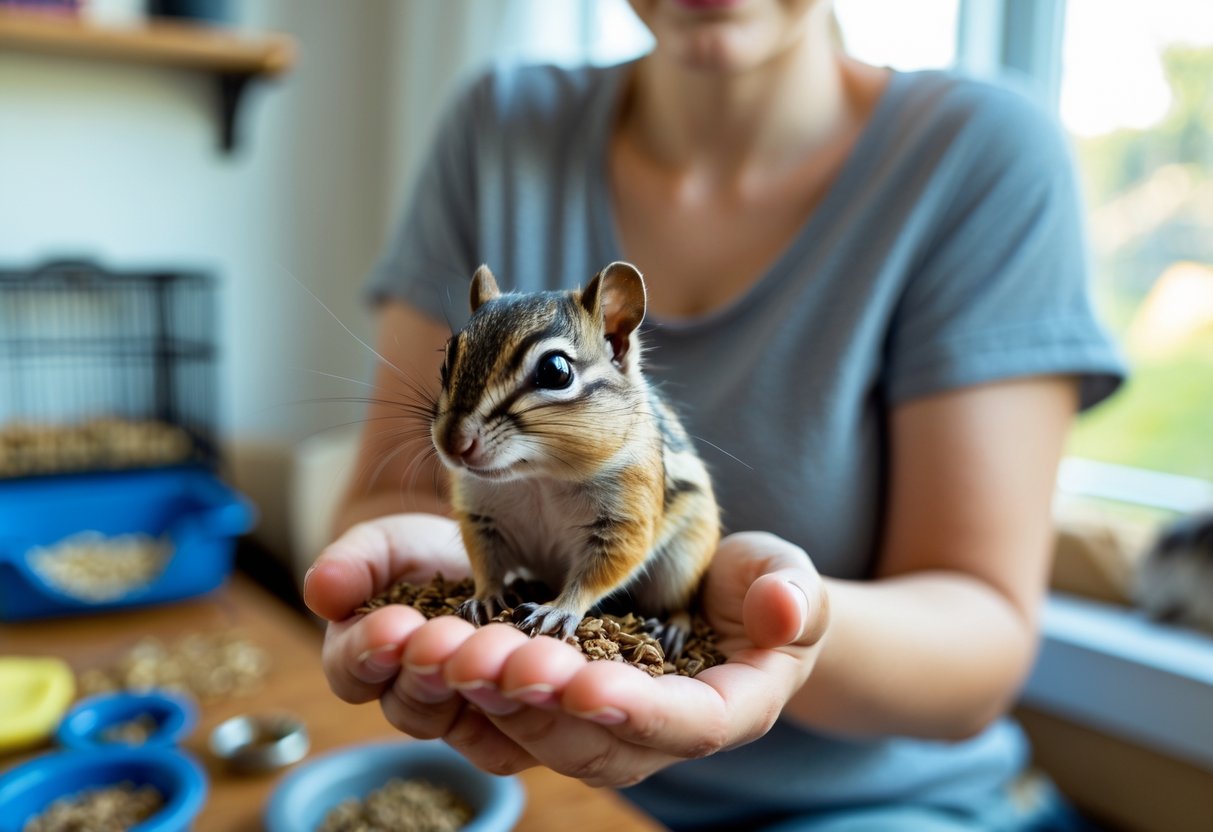
Chipmunks have wild instincts, so they need special care and attention. Their habitat and diet requirements are pretty specific too.
If you’re set on bringing one home, make sure you’re ready to create the right environment. Your chipmunk’s health and happiness depend on it.
It’s a good idea to learn about the challenges and proper care before you dive in.
For more on the legal side and care tips, check out this guide on how to get and care for a pet chipmunk.
How to Obtain a Pet Chipmunk

Getting a chipmunk as a pet means you’ve got to learn about the laws, pick the right species, find a healthy chipmunk, and bring it home safely. Each step matters for your chipmunk’s well-being.
Legal Considerations and Permits
Before you do anything, check your local laws. Some places ban wild animals like the eastern chipmunk as pets.
In a lot of areas, people can’t breed or sell chipmunks either. If you already have one, you might be allowed to keep it until it dies naturally, but you can’t buy another.
Depending on where you live, you might need a permit or license to own a chipmunk. Contact your local animal control or wildlife department to find out what’s required.
Following the rules keeps you out of trouble and protects chipmunks from harm.
Choosing the Right Chipmunk Species
Not every chipmunk makes a good pet. The eastern chipmunk is really active and prefers being outdoors.
The Asian chipmunk tends to be calmer and sometimes adapts better to living indoors.
Pick a species that fits your lifestyle. Some chipmunks need bigger cages because they’re always on the move.
Do your research on each species so you know what you’re signing up for. And just to be clear, woodchucks (their bigger cousins) are a no-go as pets—they need way too much space.
Finding a Responsible Breeder or Rescue
Look for a healthy chipmunk around 6 to 8 weeks old. Breeders usually have babies available in late spring or autumn.
Buying from a reputable breeder means your chipmunk was cared for and wasn’t snatched from the wild.
You can also check animal rescue centers. Sometimes they have chipmunks that need homes and are already used to people.
Avoid grabbing chipmunks from the wild. Wild ones get stressed easily and might carry diseases.
Transporting Your Chipmunk Home
When you’re ready to bring your chipmunk home, use a small, secure carrier with good ventilation. Make sure there’s soft bedding inside so your chipmunk stays cozy and warm.
Try to keep things quiet and avoid sudden movements on the way home. Keep the carrier out of direct sunlight and away from cold drafts.
Once you’re home, let your chipmunk explore its new space slowly. This helps your chipmunk feel safe and starts building trust.
Caring for Your Pet Chipmunk

To take good care of your chipmunk, you’ll need to set up a safe home, feed a balanced diet, handle them gently, and watch their health. Each part matters if you want your chipmunk to be happy.
Habitat Setup and Enclosure Size
Your chipmunk needs space to move and climb. Go for a big, secure cage—something like a small aviary works well.
Cover the floor with soft bedding, such as dust-free wood shavings or shredded paper. This lets your chipmunk dig, which they really love.
Skip wire mesh floors since those can hurt their feet. Add branches and ropes for climbing, plus hiding spots like hollow logs or tunnels.
Nest boxes filled with shredded paper or hay make cozy spots for sleeping. Keep the cage somewhere quiet, away from loud noises, other pets, and direct sunlight.
Diet and Nutrition
Feed your chipmunk a variety of cereals, fresh fruits, veggies, and nuts. Good options include oats, corn, millet, and wheat.
Offer small pieces of apple, pear, carrot, sweet potato, and oranges. Unsalted seeds and nuts like peanuts and sunflower seeds are also great.
Never give them fruit stones from peaches or plums—they’re poisonous. Always provide fresh water in a clean bottle.
Check their food stash every day and remove anything that could spoil, especially fruits and veggies.
Socialization and Handling
Chipmunks are shy and quick, so handle them gently. Don’t chase your chipmunk—it just scares them.
Use soft nets or closed nest boxes if you need to catch them. They don’t really love being held, but with quiet, gentle interactions, they might get used to you.
Give them toys and enough space to prevent boredom. Bored chipmunks can get stressed or act out.
If you keep more than one, watch out for fighting, especially between males. Make sure there are plenty of hiding spots so each chipmunk can have some alone time if needed.
Health, Hygiene, and Veterinary Care
Keep an eye on your chipmunk’s coat and behavior—sometimes the little things say a lot about their health. Healthy chipmunks act lively, with those bright eyes and tidy fur that just looks right.
If you notice discharge from the nose, trouble breathing, overgrown teeth, weight loss, or sudden changes in how they act, something’s off. Don’t ignore those signs.
Clean out their enclosure often. I spot-clean every day, and then every few months I do a deep clean with a pet-safe disinfectant. Make sure the enclosure dries completely before you let your chipmunk back in.
Let a vet who knows chipmunks prescribe any medicines. Never use human meds or ones meant for other animals—they can actually do more harm than good. Regular health checks really help you catch issues early.


