
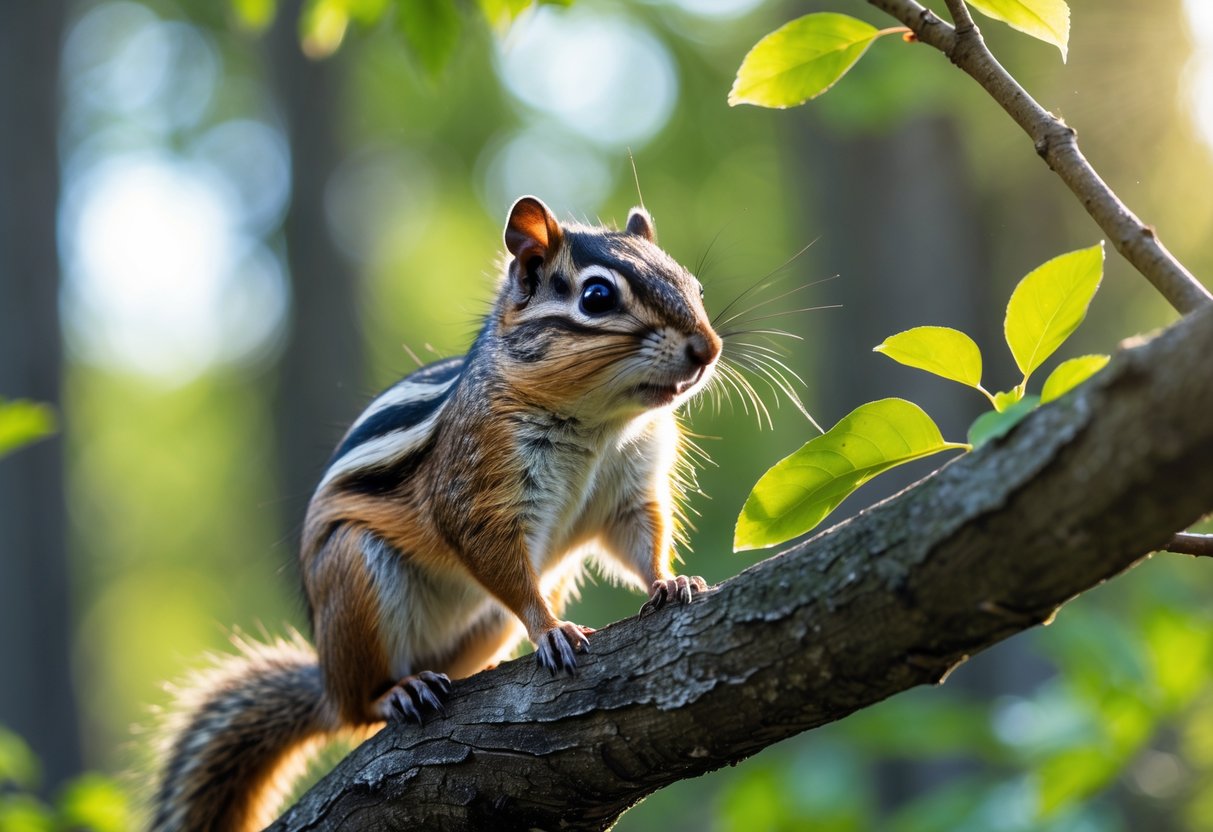
If you’ve spotted chipmunks darting around your yard or porch, you might wonder if they’re a health risk for your family. Chipmunks can carry diseases like salmonella, hantavirus, and even plague, so it’s worth being a bit cautious when they hang out near your home.
These little guys seem harmless, but they often host fleas and ticks that can pass illnesses to people and pets.
Don’t panic, though—just knowing the risks helps you keep your home and family safer. Since chipmunks are wild, it’s best not to handle them. Their bites are rare, but they can carry germs.
If you understand how chipmunks live and what diseases they might bring, you’ll know when to take action.
Diseases Chipmunks Can Carry

Chipmunks can carry several diseases that might affect you or your pets. They spread most of these through bites, fleas, ticks, or their droppings.
It’s good to know which illnesses to watch for and how they get around.
Plague (Yersinia pestis)
Chipmunks sometimes carry plague, a dangerous bacterial infection. Fleas living on chipmunks can jump to people or pets and bring the disease with them.
Not every chipmunk has plague, but infected fleas can cause fever, chills, and swollen lymph nodes if they bite you.
Plague isn’t common these days, but it still pops up in places with wild rodents. Use insect repellent and keep your pets on flea prevention to lower your risk.
Stay away from chipmunks and wild rodents. If a chipmunk or flea bites you, wash up and see your doctor as soon as you can.
Parasites and Common Infections
Chipmunks usually pick up fleas and ticks, and those pests can spread diseases to both humans and animals. Fleas might transmit plague or cause itchy bites, while ticks can carry Lyme disease or Rocky Mountain spotted fever.
These parasites hitch a ride on chipmunks and wait for a chance to jump onto you or your pets. Sometimes you won’t spot a tick bite until you start feeling sick days later.
It’s wise to check your pets and yourself for ticks after spending time outside, especially if chipmunks are common in your area.
Chipmunks can also carry infections like salmonella and hantavirus. You can catch these by coming into contact with chipmunk urine, droppings, or saliva.
Always wash your hands after gardening or touching anything that could be contaminated.
Risks From Chipmunk Feces
Chipmunk droppings may contain bacteria and viruses that can make you sick. When the droppings dry out, dust can spread into the air and you might breathe it in or touch it by accident.
This could lead to infections like leptospirosis, salmonella, or hantavirus.
If you find chipmunk droppings nearby, don’t touch them directly. Put on gloves and a mask to clean up, and use a strong disinfectant.
Blocking chipmunks from getting into your house or garage helps keep your family and pets safer. Check your home for holes or gaps and seal them up.
If you want more details, check out this chipmunk diseases and removal page.
How Diseases Spread From Chipmunks
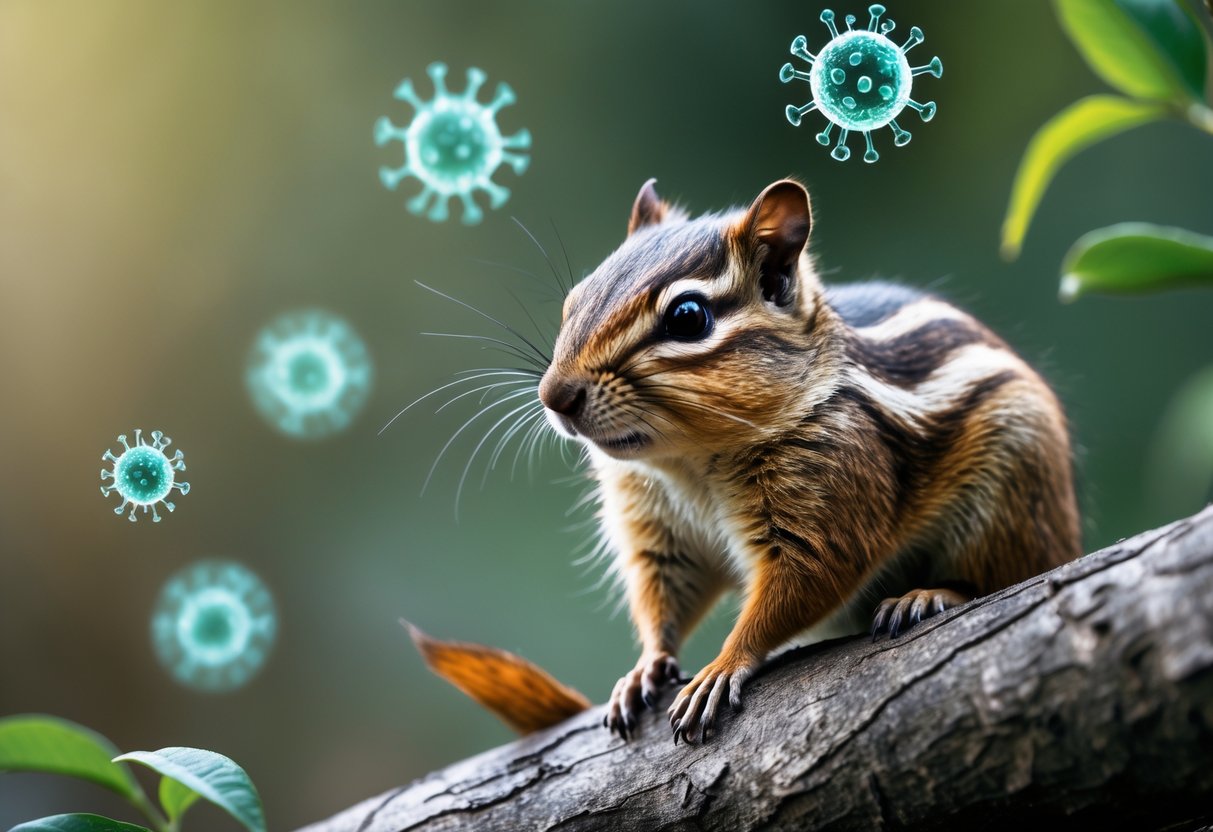
Chipmunks can spread diseases to people and pets in a few different ways. Fleas, ticks, and direct contact all play a part.
It helps to know how these things work if you want to stay safe around chipmunks or other wild rodents like squirrels.
Transmission Through Fleas and Ticks
Fleas and ticks love chipmunks, and they sometimes carry diseases like plague and Lyme disease. These tiny pests jump from chipmunks onto you or your pets.
Fleas can spread plague bacteria. If a flea bites an infected chipmunk and then bites you, it can pass on the bacteria.
Ticks feed on chipmunks too. If a tick bites an infected chipmunk and then bites you, you could get Lyme disease.
Since chipmunks and squirrels often share these parasites, places with lots of wild rodents can bump up your risk.
Direct Contact With Chipmunks or Their Droppings
Touching chipmunks or their droppings can make you sick. Salmonella and hantavirus often spread this way.
If you pick up a chipmunk—even one that seems friendly—it could bite or scratch you. Those wounds might get infected, and some nasty germs can sneak in through broken skin.
Chipmunks leave urine and feces wherever they hang out or in their burrows. When you breathe in dust from dried droppings or touch those spots, you risk exposure to hantavirus and other germs.
Honestly, it’s best to steer clear of chipmunks and their messes. If you have to clean up after them, always wear gloves and use proper safety gear.


