
Ever been nibbled or bitten by a chipmunk and caught yourself wondering, “Wait, could I get rabies from this?” You’re definitely not alone—rabies is a scary illness, and chipmunks just look so harmless. But here’s the thing: chipmunks almost never carry rabies, and there aren’t any confirmed cases of them passing it to humans.
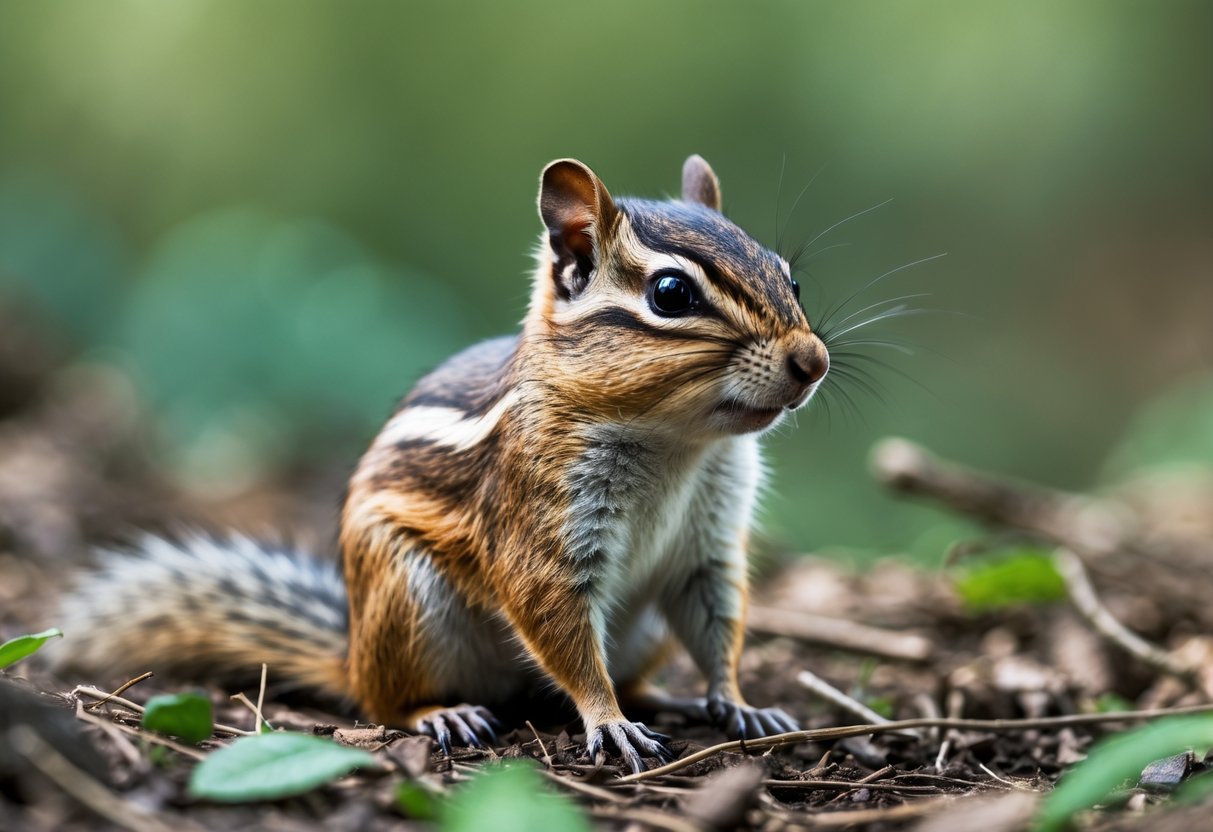
Still, don’t just brush off any bite. Always clean the wound well, and keep an eye out for signs of infection. Knowing the real risk of rabies from chipmunks might help you stay calm and make smarter choices if you or someone you know gets bitten.
If you’re curious about what to do next or when to get help, keep reading.
Can Chipmunks Transmit Rabies to Humans?

So, can chipmunks actually give you rabies? The facts say the risk is extremely low.
Chipmunks, along with other small rodents and lagomorphs like rabbits and hares, hardly ever carry the rabies virus.
Rabies Virus in Chipmunks
Chipmunks almost never have rabies. Their size and habits make it tough for them to get infected.
Rabies spreads mostly through saliva from bites, but scientists haven’t found chipmunks to be common carriers.
Authorities usually skip rabies testing for chipmunks unless they spot weird behavior, like acting sick or aggressive. It’s smart to be careful around wild animals, but the odds of a chipmunk having rabies are tiny.
Comparison With Other Rodents and Lagomorphs
Chipmunks are a lot like mice, rats, squirrels, hamsters, guinea pigs, and gerbils when it comes to rabies—they almost never have it.
Lagomorphs like rabbits and hares also rarely carry the virus.
Unlike bigger wild animals that can spread rabies, these little guys just don’t seem to play a role. Health experts don’t usually see bites from them as a rabies risk.
| Animal Type | Rabies Risk |
|---|---|
| Chipmunks | Very low |
| Squirrels | Very low |
| Rabbits & Hares | Very low |
| Rats & Mice | Very low |
| Larger mammals | Higher risk |
Evidence and Reported Cases
Nobody has confirmed a human getting rabies from a chipmunk. That’s not just opinion—health departments and scientific reports back it up.
Animals like raccoons, bats, and skunks show up in rabies cases, but chipmunks and other small rodents don’t. That’s why health guidelines almost never recommend rabies shots for chipmunk bites unless something seems really off.
Bite Risks and Human Exposure
Even though rabies is basically unheard of in chipmunks, any wild animal bite can cause other infections. If a chipmunk bites you, wash the area thoroughly with soap and water.
Doctors usually focus on cleaning the wound and watching for infection, not rabies treatment, when it comes to chipmunk bites. Still, it’s a good idea to let your local health department know so they can help decide if you need to do anything else.
Rabies Prevention and Safety Around Wild Animals

If you spend time outdoors or near wildlife, it’s a good idea to stay alert about rabies and know what to do if you see an animal acting strangely. The right steps can keep you and others safe.
Recognizing Rabies in Animals
Rabies messes with the brain and nervous system, making wild animals act odd. You might notice aggressive behavior, animals wandering around in daylight, or even signs of paralysis.
Some common signs include:
- Drooling or foaming at the mouth
- Biting or attacking for no reason
- Staggering or trouble walking
- Sudden lack of fear or hiding
If you see these behaviors in skunks, raccoons, or foxes, it’s best to give them space. Small animals like chipmunks almost never have rabies, but any animal acting weird deserves caution.
Wildlife to Avoid: High-Risk Species
Certain wild animals carry rabies more often, so you should be especially careful around them. In North America, skunks, raccoons, foxes, and bats top the list.
Try to avoid:
- Skunks and raccoons, especially if they seem friendly or are out during the day
- Foxes that act bold or aggressive
- Bats inside buildings or near people, even if you don’t see a bite
Small rodents like squirrels and chipmunks almost never carry rabies. But if one bites you for no reason or acts strangely, talk to a healthcare provider about what to do next.
Post-Exposure Measures for Bites
If an animal that might have rabies bites or scratches you, don’t wait around. Go ahead and wash the wound really well with soap and water—this helps lower your risk of infection.
After that, get to a doctor right away. They’ll probably give you rabies immune globulin (RIG) and start the post-exposure prophylaxis (PEP) vaccine series as soon as possible.
With PEP, you’ll get several doses of vaccine over a few weeks. This stops the virus before it can reach your brain.
If the bite is on your head or above your shoulders, you need treatment even faster. The virus can move quickly in these cases.
Honestly, early care makes all the difference when it comes to preventing rabies encephalitis, which is a deadly inflammation of the brain.


