
Chipmunks might look adorable, but honestly, they can make quite a mess around your home. They cause so much destruction mostly because they dig constantly and chew on just about everything—foundations, patios, wires, and your favorite plants aren’t safe.
Their digging creates tunnels that can mess with the ground under your house, and their sharp teeth let them gnaw on anything they bump into.
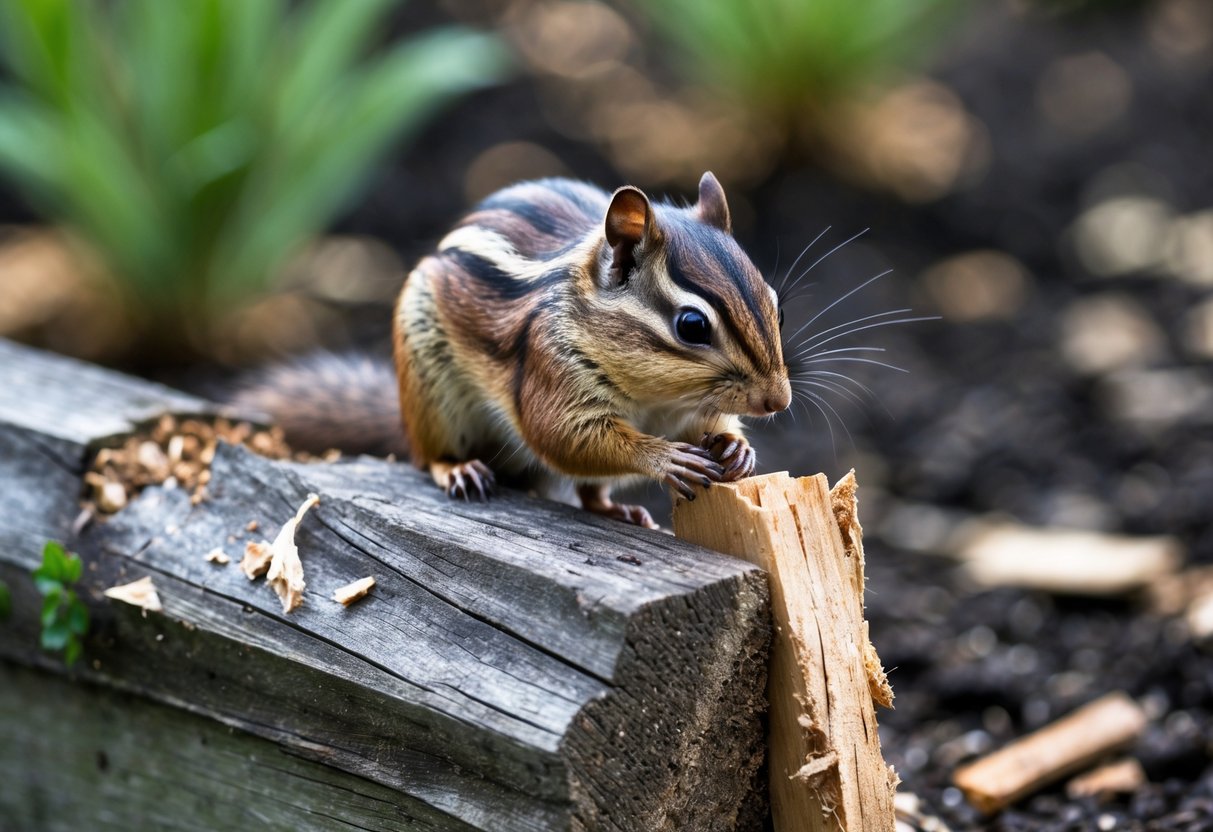
If you spot holes near your porch or notice your garden plants getting chewed up, you’re probably seeing chipmunks in action. They dig to build safe homes and to stash food, but for you, that means more problems than you’d expect.
Figuring out why chipmunks act this way lets you take steps to protect your property and hopefully dodge expensive repairs.
Understanding what drives their behavior can make managing them a bit less frustrating. Curious about what you can do? For more details on their impact, you can check out chipmunk damage prevention methods.
Main Causes of Chipmunk Destructiveness
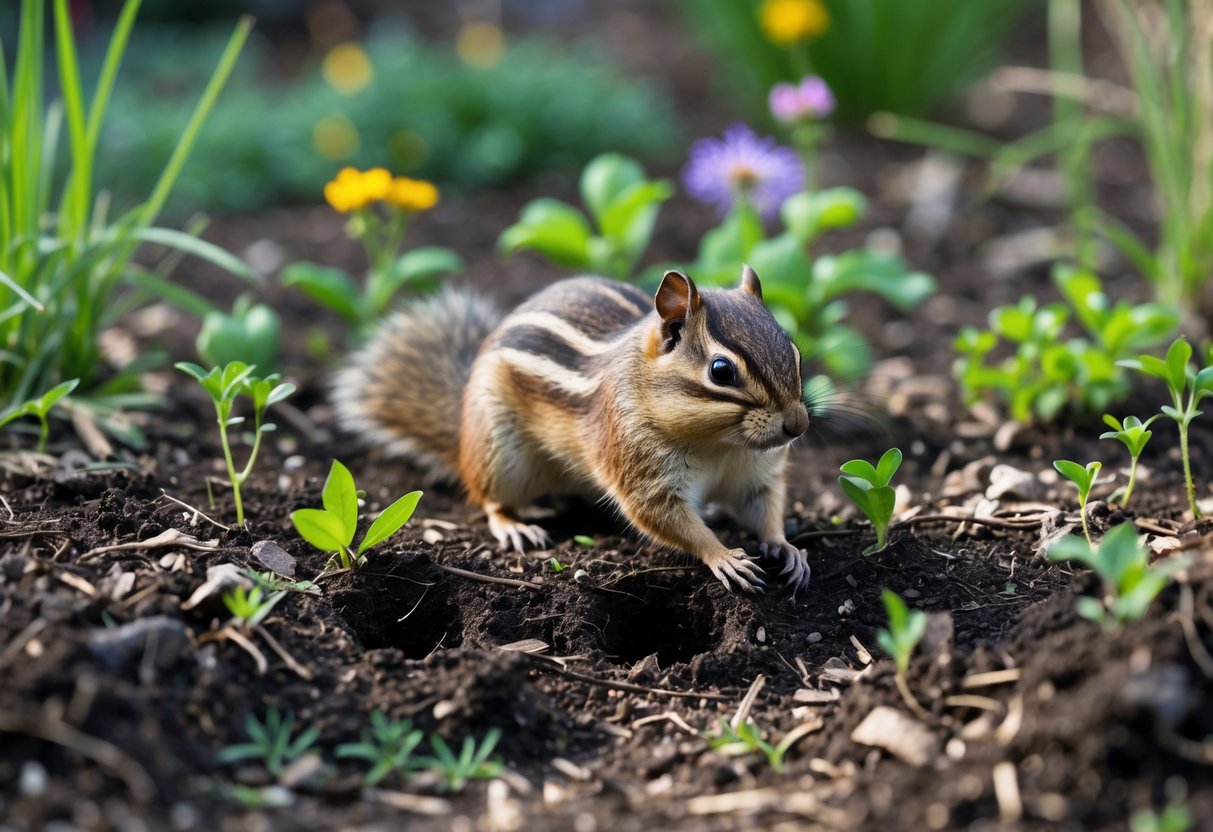
Chipmunks cause headaches mainly because they dig, eat, and interact with your yard in ways that aren’t exactly friendly. Their habits can mess with your home’s foundation, damage your plants, and even affect your health if you’re not paying attention.
Burrowing and Structural Damage
Chipmunks dig tunnels and burrows that sometimes stretch up to 30 feet long and go several feet deep. These tunnels weaken the soil under patios, stairs, and foundations.
Over time, you might see cracks or sinking in hard surfaces, which can make your property feel a bit unsafe.
They usually build burrows near structures where they find shelter. If chipmunks dig close to your house, they can damage the foundation or create spots where moisture sneaks in.
You might spot tunnels under retaining walls, which can cause those walls to weaken.
Try to find and fill active burrows as soon as you can. Using hardware cloth or mesh barriers under patios or gardens helps keep chipmunks from digging too close.
If you want more details on stopping this kind of damage, check out Penn State Extension.
Garden and Landscaping Harm
Chipmunks love to dig around your plants, yanking up bulbs, seeds, and roots while they search for food. This habit can ruin your flowers and veggie gardens, sometimes wiping out whole patches.
They munch on fruits, nuts, and even ornamental plants, which can drive gardeners a little crazy.
Because they stash seeds and nuts underground, chipmunks end up exposing plant roots and messing with the soil. This can hurt your garden’s health and slow down plant growth.
To keep your planting beds safe, cover bulbs with hardware cloth and put fencing around plants that chipmunks like to target. Removing brush piles and ground covers near your garden can also help keep them away.
If you’re curious about more ways chipmunks hurt gardens, check out Gardening Know How.
Food-Seeking Behaviors
Chipmunks spend a lot of time searching for food to store for winter. They raid bird feeders and scatter seeds everywhere, which just attracts more pests.
Their digging around feeders or plants can mess up your yard and leave a mess behind.
While looking for hidden food or building nests, they chew on wires and wood near your house. This chewing can lead to expensive repairs if you don’t catch it early.
Try limiting their access to food by using special bird feeders or picking up fallen seeds. Cleaning up dropped nuts and fruit regularly can make your yard less tempting for them.
For more ways to handle their food-seeking habits, take a look at ICWDM Chipmunk Damage Prevention.
Disease and Health Risks
Chipmunks don’t usually pose huge health risks, but they can carry parasites and diseases like ticks and fleas. When they burrow near your house, your chances of running into these pests go up.
They can also contaminate birdseed with droppings, spreading germs that might bother pets or people. If chipmunks get inside, the risk of disease goes up even more.
Keeping chipmunks away from your home and cleaning bird feeders regularly can help lower these risks. It’s smart to seal up any holes where chipmunks might squeeze in.
You can read more about chipmunk risks at Critter Control’s article on chipmunk problems.
Managing and Preventing Chipmunk Damage
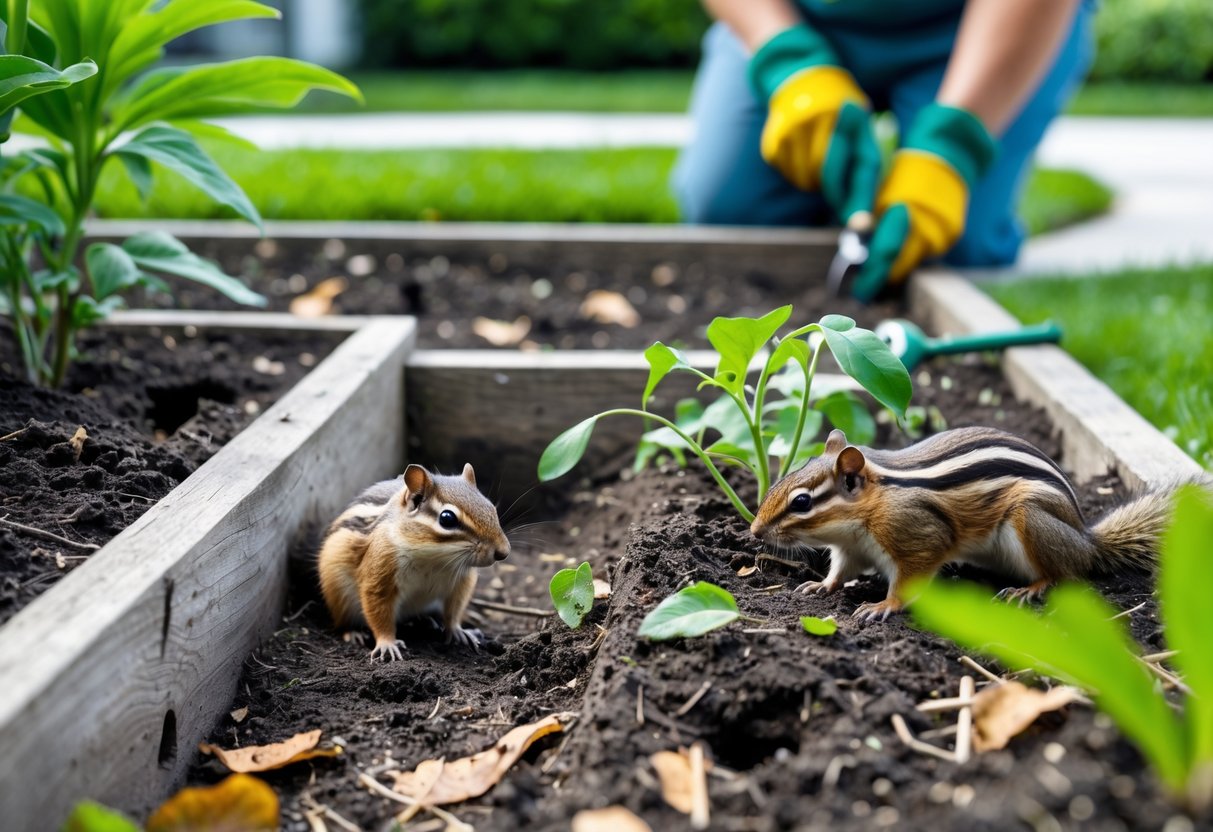
You can cut down on chipmunk damage by trying natural methods, building barriers, and picking safe repellents. Each option helps protect your home and garden in different ways.
Natural Predators and Ecosystem Balance
If you encourage natural predators like owls and foxes, you’ll help control chipmunk numbers. Owls hunt at night and often go after small rodents.
You can attract owls by putting up nest boxes in your yard.
Foxes eat chipmunks too, which helps keep the population in check. Avoid using chemicals or traps that could hurt these helpful predators.
Keeping your local ecosystem in balance is one of the safest ways to deal with chipmunks naturally.
If you leave space for native plants and skip overdoing lawn trimming, you’ll support habitats for these predators. This makes it less likely that chipmunks will overrun your garden.
Physical Barriers and Garden Modifications
Physical barriers work really well for stopping chipmunks from digging or chewing up your garden. Cover bulbs, seeds, and flower beds with ¼-inch hardware cloth, and make sure to bury it at least a foot deep around your plants.
Put up fences with fine mesh to protect smaller spots or individual plants. Try not to stack wood piles or leave debris near your house, since chipmunks use these for hiding.
Adding a gravel border around your garden takes away cover that chipmunks like to use when they sneak near buildings. Once you’re sure chipmunks have left their burrows, fill the holes with soil and cover the entrance with a heavy rock.
Safe Deterrents and Repellents
You can use taste repellents with capsaicin or even predator urine, like fox urine, around your garden to keep chipmunks away. Just remember, you’ll have to reapply them often—especially after it rains.
Skip the harsh chemicals and toxic stuff near your home. Those can hurt pets and other wildlife. If you decide to use repellents, make sure to check local rules and always read the label first.
Honestly, frightening devices don’t really bother chipmunks much. It’s better to combine taste repellents with physical barriers. Try protecting your plants and blocking entry points before you reach for sprays or powders.
If you want to dig deeper, check out chipmunk damage control tips at https://icwdm.org/species/rodents/chipmunks/chipmunk-damage-prevention-and-control-methods.


