So, are there chipmunks in the UK? The short answer is no—Britain doesn’t have native chipmunks. Still, you might be surprised that a small group of Siberian chipmunks has popped up in the wild, mostly because people released some from captivity over the past few decades.
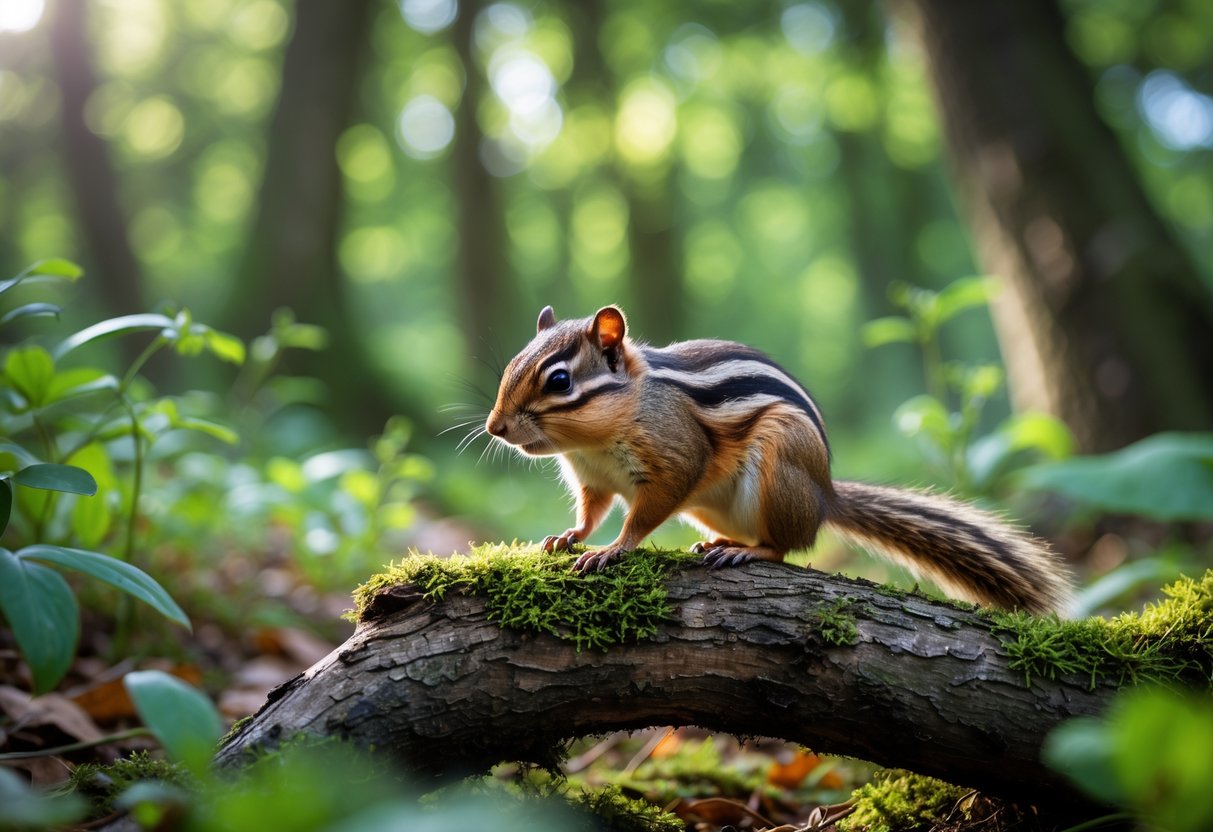
Siberian chipmunks aren’t native here, but they’ve managed to carve out a little presence in a few UK spots. They look a lot like the chipmunks you’d see in North America, but these little guys actually come from Asia. Their numbers here are still small, though they seem to be growing.
Maybe you’ve spotted one in a park or woodland and wondered how it got there or what sort of impact it might have. If you’re curious about these unexpected visitors, let’s dig a bit deeper.
Chipmunks in the UK: Wild and Pet Populations
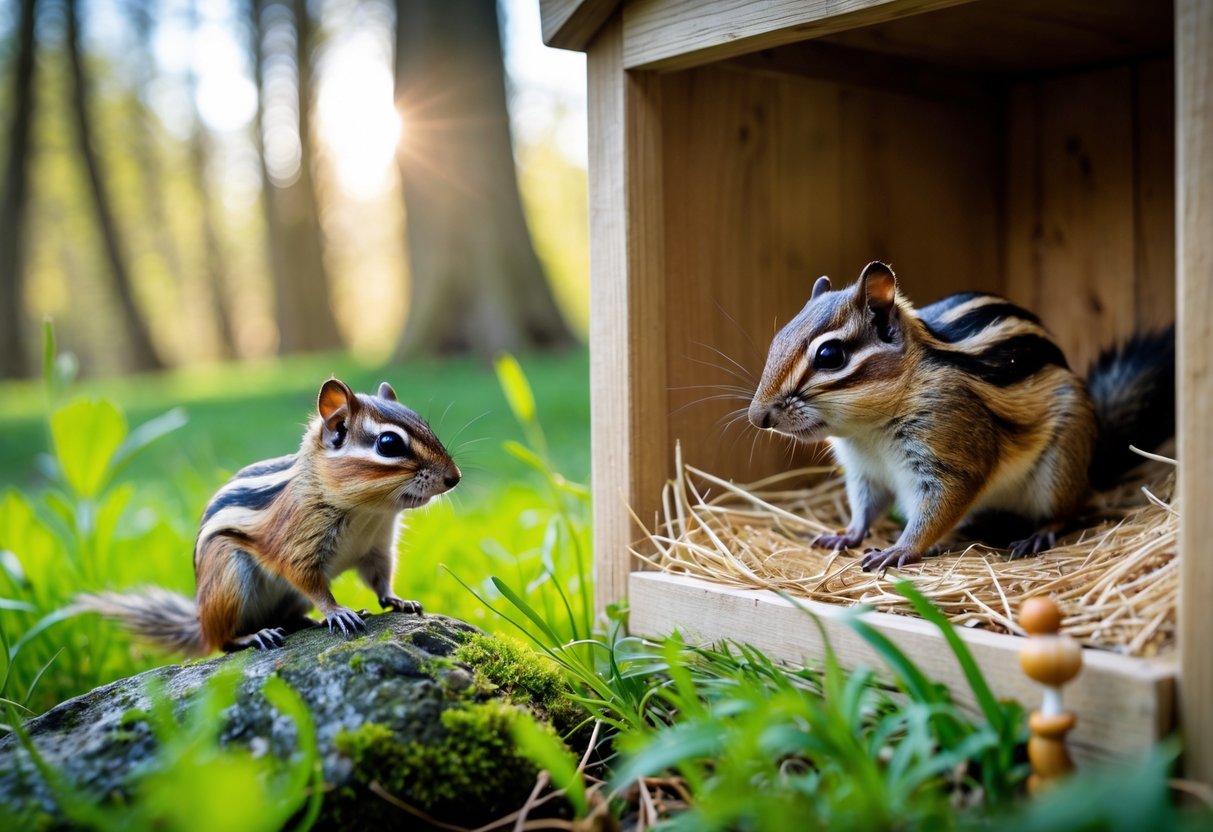
Chipmunks don’t belong to the UK naturally, but you can find them both in the wild and as pets. Some wild populations have grown from escapees. Meanwhile, animal lovers still keep pet chipmunks.
Presence of Chipmunks in the Wild
You’ll mostly see Siberian chipmunks in the UK’s wild areas. They didn’t start out here but have set up small groups, mainly in southeast England. Estimates put their numbers at about 1,000, and that’s slowly ticking up.
You probably won’t find chipmunks in Scotland or Wales. Sightings usually happen in England, especially near urban or suburban spots. These chipmunks stick to woodlands and parks, where they cross paths with squirrels and badgers.
Siberian Chipmunk and Its Introduction
People brought Siberian chipmunks to the UK, either by releasing them or through accidental escapes. Some even think a few came through the Channel Tunnel, though who really knows?
Siberian chipmunks have earned a spot on Europe’s list of invasive species. They can harm native wildlife by fighting for food and space. You’ll mostly find them around London and the southeast, but they could spread further if nothing changes.
Non-Native Species and UK Wildlife
Siberian chipmunks aren’t the only non-natives shaking things up in the UK. You’ve got wallabies and parakeets in some areas too—many came from accidental or deliberate releases.
These newcomers can threaten native species. Chipmunks, for example, compete with locals for food and might put extra stress on hedgehogs and squirrels. Wildlife experts worry that more chipmunks could quietly change local habitats over time.
Chipmunks as Exotic Pets in the UK
You’ll sometimes see chipmunks as pets, thanks to their small size and undeniable cuteness. In the UK, pet chipmunks usually live about 4 to 5 years, but with good care, some make it to 10.
Most pet chipmunks here are Siberian chipmunks. If they escape or get released, they might join wild populations. That’s why it’s important to keep pet chipmunks secure and happy—no one wants more invasions or trouble for local wildlife.
| Key Points | Details |
|---|---|
| Wild Chipmunk Type | Siberian chipmunk |
| Population Estimate | About 1,000 in southeast England |
| Main Risks | Competition with native mammals |
| Common Pet Species | Siberian chipmunks |
| Pet Lifespan | 4–10 years |
Ecological Impact and Chipmunk Care
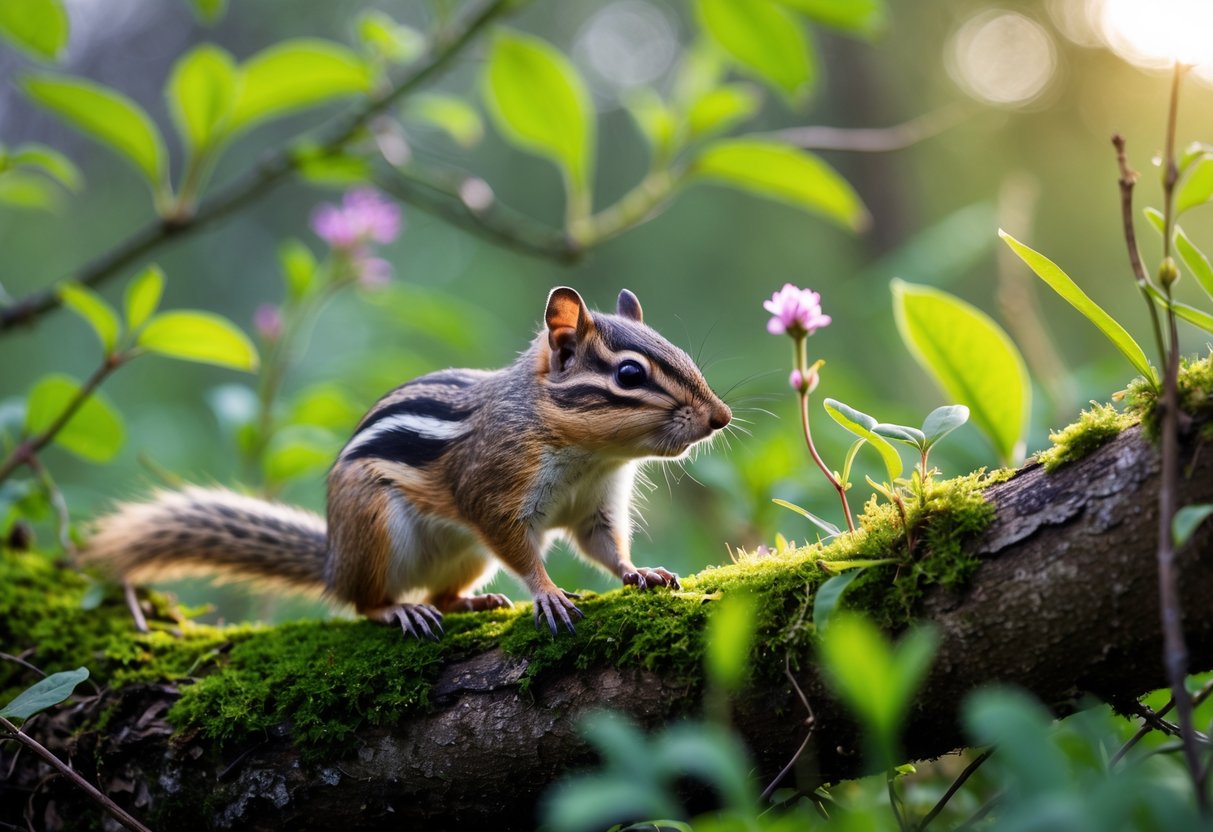
Chipmunks in the UK can shake up local wildlife. They compete with native animals for food and space, which makes things harder for some smaller creatures.
If you have a pet chipmunk, you’ll want to make sure it gets proper care for a happy, healthy life.
Competition with Native Mammals
Siberian chipmunks go after the same foods as squirrels, mice, and rats—think seeds, nuts, and fruits. This overlap can make it tougher for native rodents and small animals to find enough to eat.
They might even compete with foxes and badgers for certain scraps. Foxes and badgers are much bigger, but the extra competition could still affect their routines. If chipmunks become more common, you might notice changes in how local wildlife behaves.
Habitat Loss and Conservation Concerns
Chipmunks often take over spaces that native animals like amphibians, squirrels, and small mammals use. With habitats shrinking due to development, the fight for space gets more intense.
Ground-nesting birds might also lose out, since chipmunks can disturb their nests. Protecting native habitats is still important—supporting green spaces and leaving wildlife alone helps. Keeping an eye on chipmunk spread is key, since they’re considered invasive in parts of the UK.
Coexistence with Other Rodents in the UK
Chipmunks sometimes share space with wood mice, rats, and red squirrels. Each species has its own spot, but chipmunks competing for food and shelter can throw things off balance.
Red squirrels already have a tough time in the UK, so extra competition doesn’t help. Chipmunks like areas with woody debris and slopes for shelter, which might keep some peace, but doesn’t erase competition. Balancing local rodent populations helps keep ecosystems healthy for everyone.
Pet Chipmunk Care Essentials
Got a pet chipmunk? They usually stick around for 4 to 5 years, though with great care, some can even make it to 10. Make sure you set up a cage that’s roomy, with lots of little hiding spots.
When you need to handle your chipmunk, grab a towel. It really helps keep them calm and safe—no one likes extra stress, right?
Feed your chipmunk a good mix of seeds, nuts, fruits, and veggies. Always leave fresh water out for them.
Keep an eye out for anything odd, like changes in their breathing or how they act. Clean their space regularly so you don’t run into health issues.
If you want more info, check out the RSPCA’s guide.


