
Ever wondered which chipmunk takes the title of rarest? You’re definitely not the only one. Among all the chipmunks out there, the Peñasco least chipmunk stands out as one of the rarest and most endangered.
This tiny chipmunk lives in just a small patch of southern New Mexico. Its numbers are so low that experts consider it endangered and highly vulnerable.
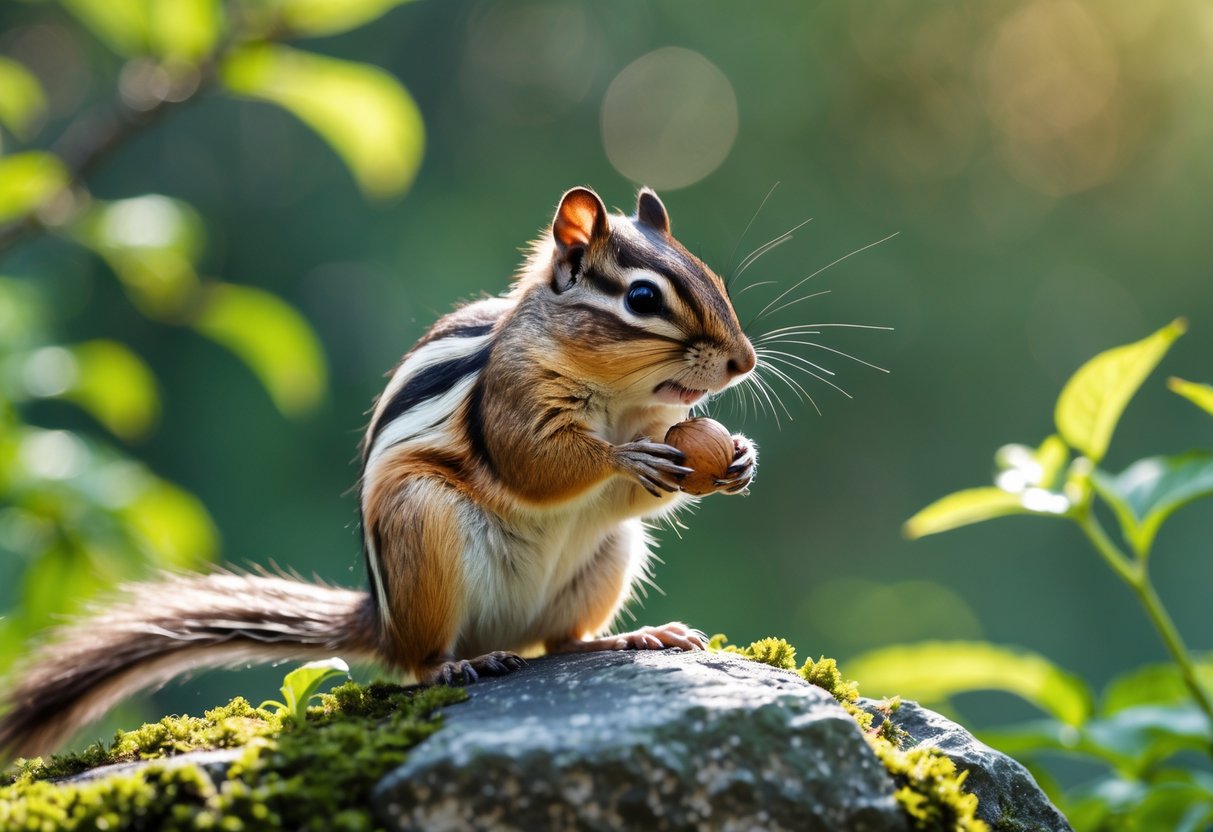
It might surprise you, but this little creature mostly sticks to high mountain areas. It uses the cool shade from trees to stay out of sight and away from predators.
Wildfires, changing forests, and threats like grazing and development have shrunk its home over time. When you learn about such a rare animal, it really puts into perspective how fragile some wildlife populations are.
There’s more to this story, though. You’ll get a peek into this chipmunk’s special habitat and the efforts people are making to protect it.
You’ll also meet a few other rare chipmunks you probably haven’t heard of, but they’re just as interesting.
Identifying the Rarest Chipmunk Species

When you start looking for the rarest chipmunks, a few species really stand out. Sometimes it’s because of where they live, their size, or just how few are left.
Some chipmunks are endangered, while others just have unusual colors or traits. Knowing these details helps you spot the rare ones and see why they’re special.
Palmer’s Chipmunk: Unique Facts and Conservation Status
Palmer’s chipmunk mostly sticks to the Spring Mountains of Nevada. It looks a bit like the eastern chipmunk, but you can spot it by its different markings.
This chipmunk is smaller and its stripes have a slightly different pattern. The International Union for Conservation of Nature (IUCN) lists Palmer’s chipmunk as endangered, which means it faces a real risk of extinction if people don’t protect its habitat.
You won’t spot Palmer’s chipmunk in many places. It’s tough to see outside its native area.
Curious about Palmer’s chipmunk and what’s being done to help? The USDA has more on Palmer’s chipmunks.
Peñasco Least Chipmunk: Endangered Subspecies Overview
The Peñasco least chipmunk, or Tamias minimus atristriatus, is a tiny subspecies of the least chipmunk. It lives in northern New Mexico and is listed as endangered under the New Mexico Wildlife Conservation Act.
You might mistake it for the gray-footed chipmunk, but it’s much rarer. Its population sticks to certain mountain areas, so keeping its habitat safe is critical.
This subspecies faces threats from habitat loss and competition. If you want to dive deeper, the New Mexico Department of Game and Fish has pages on rare chipmunks.
Albino Chipmunks: How Rare Are They?
Albino chipmunks aren’t their own species—they’re just rare individuals born without pigment. That gives them white fur and pink eyes.
They’re extremely rare in the wild. Their color makes them easy targets for predators.
Albinism can pop up in different chipmunk species, like the least and eastern chipmunk (Tamias striatus). Albino chipmunks catch people’s attention, but they don’t have a special conservation status.
Honestly, seeing one in nature is almost unheard of. If you ever do, it’s a moment you’ll remember.
Comparison With Other Rare Chipmunks
There are a few more rare chipmunks out there, like the Oscura Mountains Colorado chipmunk and some other subspecies with tiny ranges. These chipmunks usually have small habitats and some unique features.
| Species | Habitat | Conservation Status | Size |
|---|---|---|---|
| Palmer’s Chipmunk | Spring Mountains, NV | Endangered (IUCN) | Small |
| Peñasco Least Chipmunk | Northern New Mexico | Endangered (State) | Very small |
| Oscura Mountains Colorado Chipmunk | Oscura Mountains, NM | Rare/Localized | Medium |
| Least Chipmunk (general) | Wide North America | Least Concern | Smallest chipmunk |
Most rare chipmunks deal with shrinking habitats. If you pay attention to things like size, stripe patterns, and where they live, you’ll have an easier time telling them apart from the much more common eastern chipmunk (Tamias striatus).
Factors Contributing to Rarity in Chipmunks
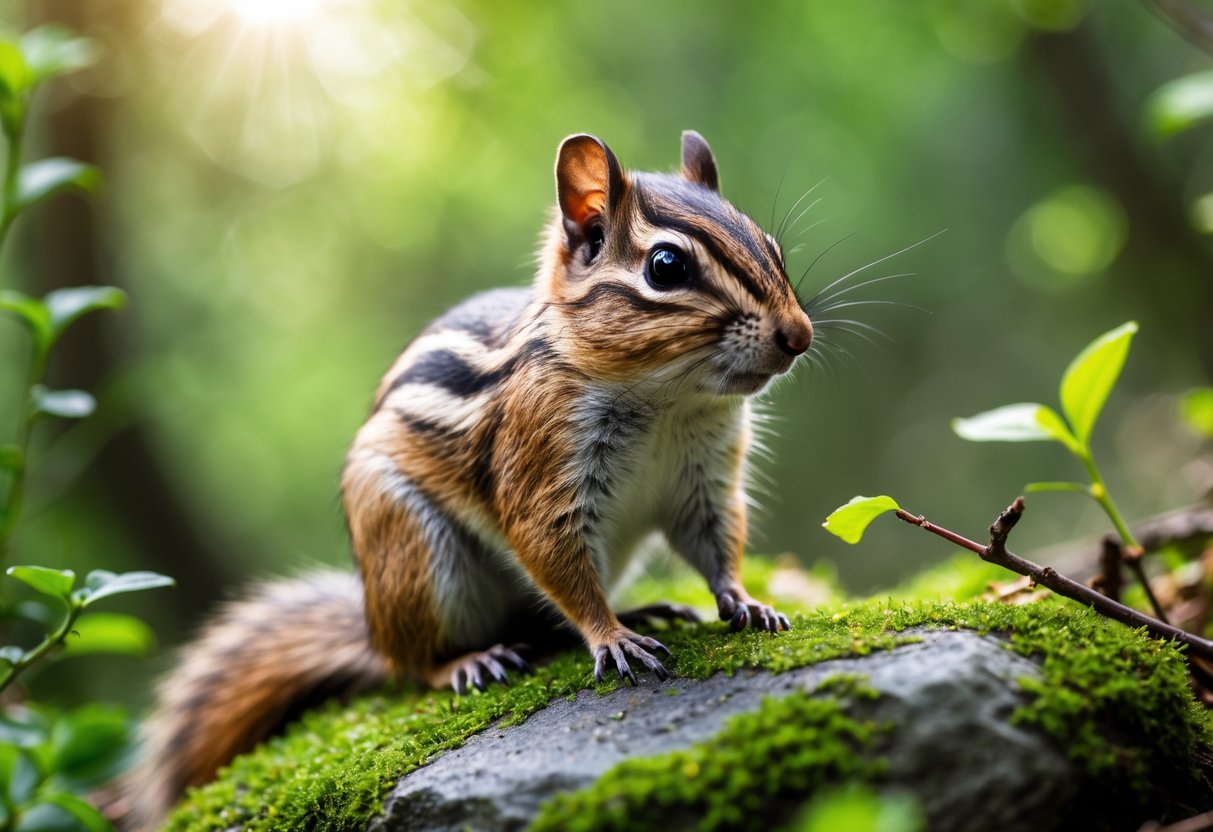
Why are some chipmunk species so hard to find? It mostly comes down to where they live, their genetics, and what people are doing to protect them.
These factors all play a part in how many chipmunks actually survive out in the wild.
Habitat Loss and Human Impact
Chipmunks need certain environments, like old forests or rocky cliffs. When people damage or destroy these places, chipmunks lose their homes.
For example, some rare chipmunks in New Mexico only live in a few high-elevation spots that are tough to reach. Human activities like logging, farming, and road-building break up their habitat.
This makes it harder for chipmunks to find food and safe places to hide. Sometimes, it splits their populations apart, which makes it tough for them to mate and stay healthy.
Your choices matter. Supporting protected areas or avoiding habitat destruction can help these tiny mammals keep their homes.
Genetic and Environmental Factors
Certain chipmunk species have rare traits. The Peñasco least chipmunk, for example, looks a lot like more common types, so scientists sometimes have trouble studying them.
Some chipmunks, like albinos, show up only once in a blue moon—about one in 200,000. Environmental stuff matters, too.
Chipmunks prefer old forests and specific types of trees, which limits where they can live. Males usually weigh more than females, which affects how they behave and survive.
Weather and food changes can also make it harder for chipmunks to get by each year. When you look at all these details, it’s easier to see why some chipmunks stay rare—even if they look like their common cousins.
Conservation Efforts and Challenges
Laws and conservation plans protect many rare chipmunks. For instance, Palmer’s chipmunk appears on the endangered species list, and the U.S. government manages much of its habitat to keep it safe.
But honestly, protecting chipmunks isn’t simple. Their habitats often end up small and isolated, which makes it tough for their populations to grow.
People really need to keep an eye on chipmunk numbers. It’s also important to keep habitats connected so these little animals can thrive.
If you want to help, start by learning about the wildlife in your area. Supporting efforts that protect natural spaces goes a long way.
That kind of action keeps chipmunk populations healthier in the long run.
You can find more about rare chipmunks and their habitats at Rare Chipmunks – NMDGF and Palmer’s chipmunk – Wikipedia.


