
So, a chipmunk bit you? Try not to freak out. Most chipmunk bites aren’t dangerous, but you should clean the wound right away and keep an eye out for infection. Chipmunks almost never carry rabies, but you still need to take care of any bite to avoid problems.
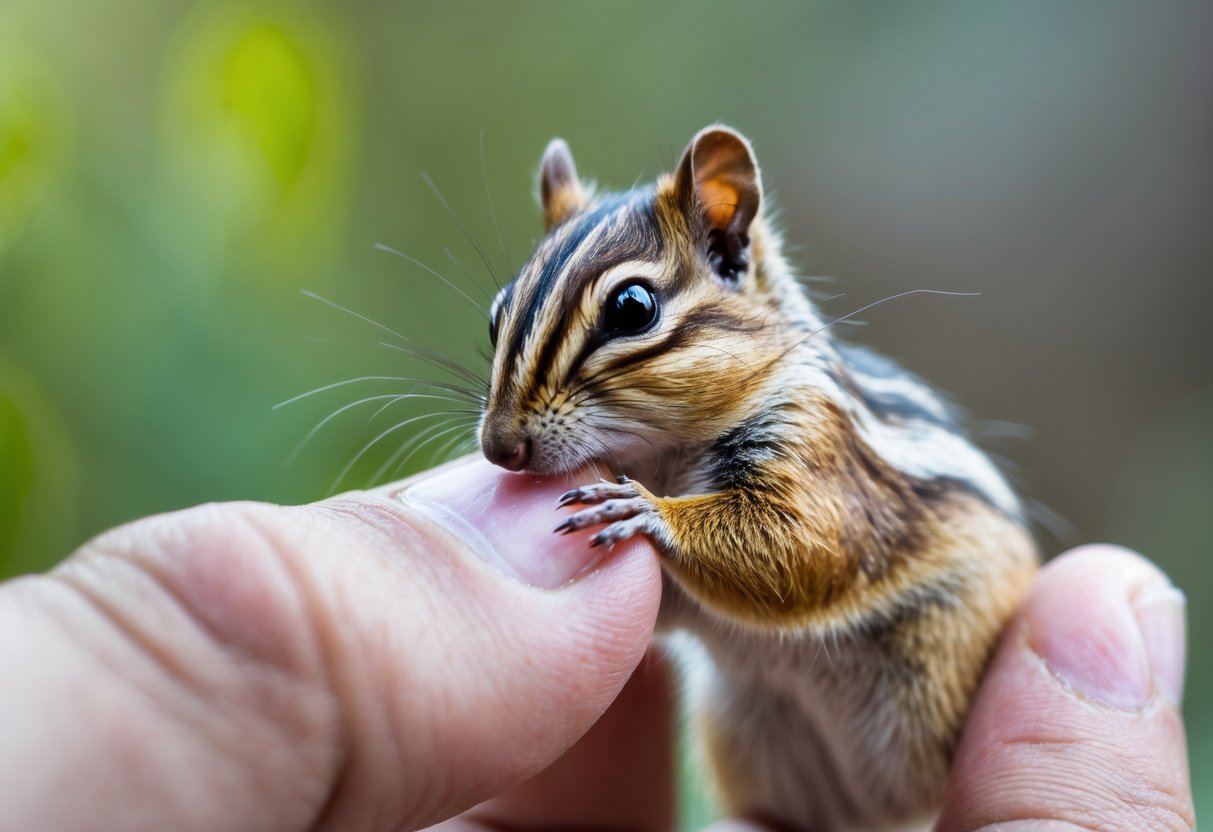
Wash the bite area with soap and water, then slap on some antibiotic cream if you’ve got it. Keep checking for redness, swelling, or pain.
If the chipmunk is still around, you might want to watch how it acts. Sometimes, that helps decide if you need to see a doctor.
Knowing what to do after a chipmunk bite helps you stay calm and handle things safely. A few simple steps can protect you and help the wound heal faster.
What to Do Immediately After a Chipmunk Bite

If a chipmunk bites you, act quickly. Cleaning the wound, checking for deep punctures, and knowing when to get medical help can save you a lot of trouble.
These steps help stop infections like tetanus and make sure you heal up nicely.
Cleaning and Assessing the Wound
First, wash your hands with soap and water before you touch the bite. Then, gently clean the bite using warm water and mild soap.
This washes away dirt, bacteria, and chipmunk saliva. After that, pat the area dry with a clean towel.
Don’t scrub the wound—it just makes things worse. You can use an antiseptic cream to lower the risk of infection.
If you see bleeding, press a clean cloth or bandage on it until it stops. Leave the wound uncovered or just lightly covered with a sterile dressing so it can breathe.
Identifying Puncture Wounds and Their Risks
Chipmunk bites usually leave small, deep holes from their sharp teeth. These puncture wounds can trap bacteria under the skin, which ups the risk of infection.
Look closely for any deep holes around the bite. They might not bleed much, but swelling, redness, or warmth can show up if there’s an infection.
Since puncture wounds let harmful bacteria in, you really need to keep an eye on things. Tetanus bacteria can also get in through these wounds.
If you haven’t had a tetanus shot lately or you’re not sure, go see a doctor.
When to Seek Medical Attention
If the bite is deep, bleeding a lot, or looks infected—think swelling, redness, warmth, or pus—see a healthcare provider right away.
Go to the doctor if your last tetanus shot was more than 5 years ago. You might need a booster.
If the chipmunk acted weird or sick, or you’re worried about rabies, get checked out. Your doctor may suggest rabies shots, just to be extra safe.
Sometimes you’ll need antibiotics or other treatments, so don’t wait if you’re unsure. It’s better to get checked and avoid bigger problems.
For more details, check out this expert advice on chipmunk bites.
Possible Health Risks and Disease Concerns

When a chipmunk bites you, the biggest worries are infection, disease, and avoiding complications. If you know what to look out for, you’ll be much safer.
Can Chipmunks Transmit Rabies?
Chipmunks almost never carry rabies, but it’s not impossible. Rabies spreads through bites from infected animals.
In the U.S., bats, raccoons, and skunks cause most rabies cases—not chipmunks. Still, if the chipmunk seemed off or sick, don’t take chances.
Wash the bite well with soap and water right away. Call your doctor or local health department to ask about rabies shots or immune globulin if there’s any real risk.
Risk of Infection From Animal Bites
Chipmunks have bacteria in their mouths that can cause infection if they get into your skin. Signs of infection are redness, swelling, pain, warmth, and pus.
You might get cellulitis, which makes the skin inflamed and sore, or an abscess, which is just a pocket of pus under the skin.
If you see redness spreading or red streaks moving away from the bite, go to the doctor fast. Cleaning the wound right away cuts your risk of infection a lot.
Use antibiotic ointment and keep the bite covered.
Tetanus and Other Complications
Tetanus is a nasty infection that causes muscle stiffness and spasms. It can happen after any wound, including animal bites.
If you haven’t had a tetanus shot in five years, get a booster after a chipmunk bite, especially if the wound is deep or dirty.
Other problems could be allergic reactions or damage to nerves or tissues if the bite is bad. Check for deep wounds, numbness, or really bad pain.
If you notice any of those, get medical help.
Treatment Options After a Bite
Start by washing the bite with mild soap and warm water. Give it at least five minutes—yeah, it feels long, but it actually helps kill off a lot of germs.
Once you’ve cleaned it, dab on some antibiotic ointment. Then, cover the bite with a clean bandage.
If you’re dealing with pain or swelling, grab some ibuprofen or acetaminophen. Those usually do the trick.
Remember to change the bandage and ointment twice a day, or whenever it looks like it needs it.
If you spot a fever, spreading redness, pus, or the wound just looks worse, get to a healthcare provider. They might prescribe antibiotics, or maybe check if you need a rabies vaccine or tetanus shot.
Don’t wait around if you notice any signs of infection or if you haven’t had your tetanus shot updated.


