
Ever wondered if chipmunks mate for life? You’re definitely not the only one. These tiny, striped creatures always seem so busy, it’s easy to imagine they’d pick one partner and stick with them forever.
But honestly, chipmunks are nothing like animals that form lifelong pairs.
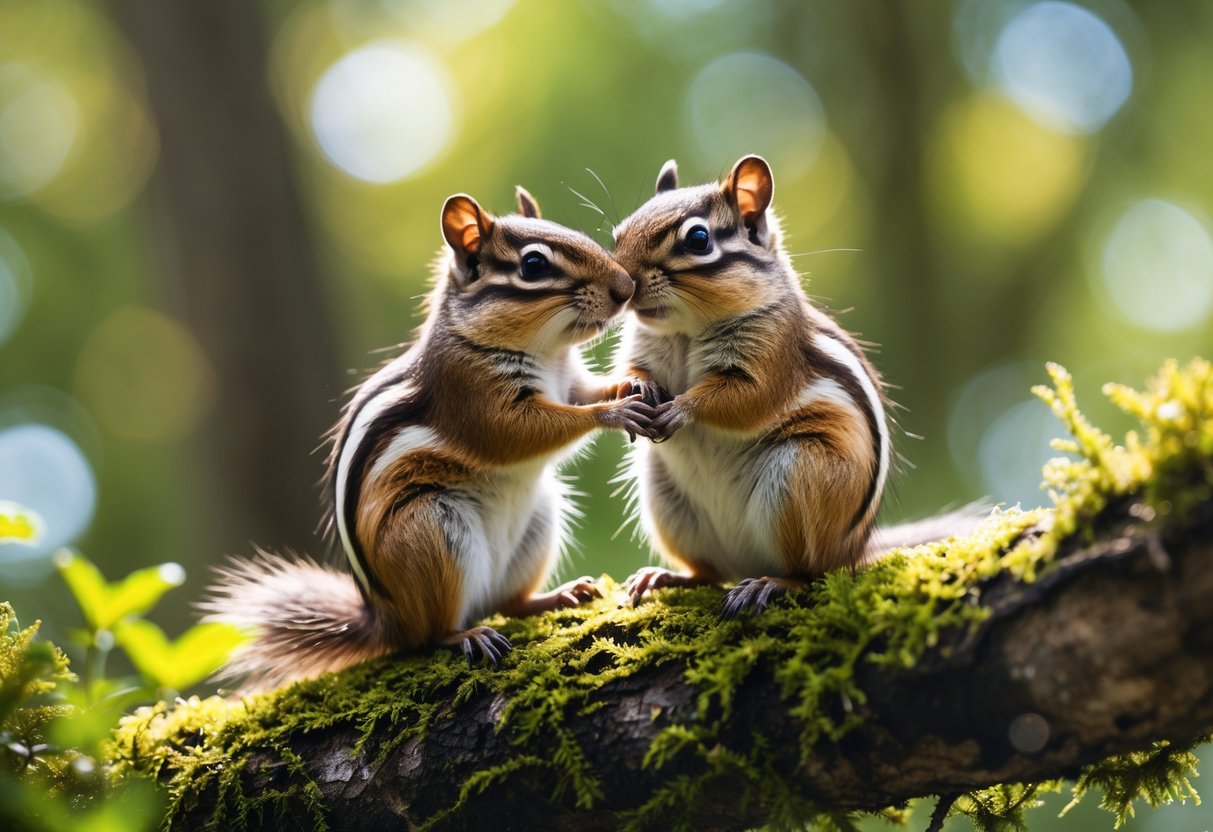
Chipmunks don’t mate for life. They mostly live alone and only come together for a short time during mating season.
After that, each chipmunk goes back to its own burrow and territory. You might be surprised by how often chipmunks mate or how many babies they can have every year.
Learning about their mating habits gives you a totally new perspective on these little animals. If you’re curious about how chipmunks pick partners or raise their babies, let’s peek into their hidden world for a bit.
Do Chipmunks Mate for Life?
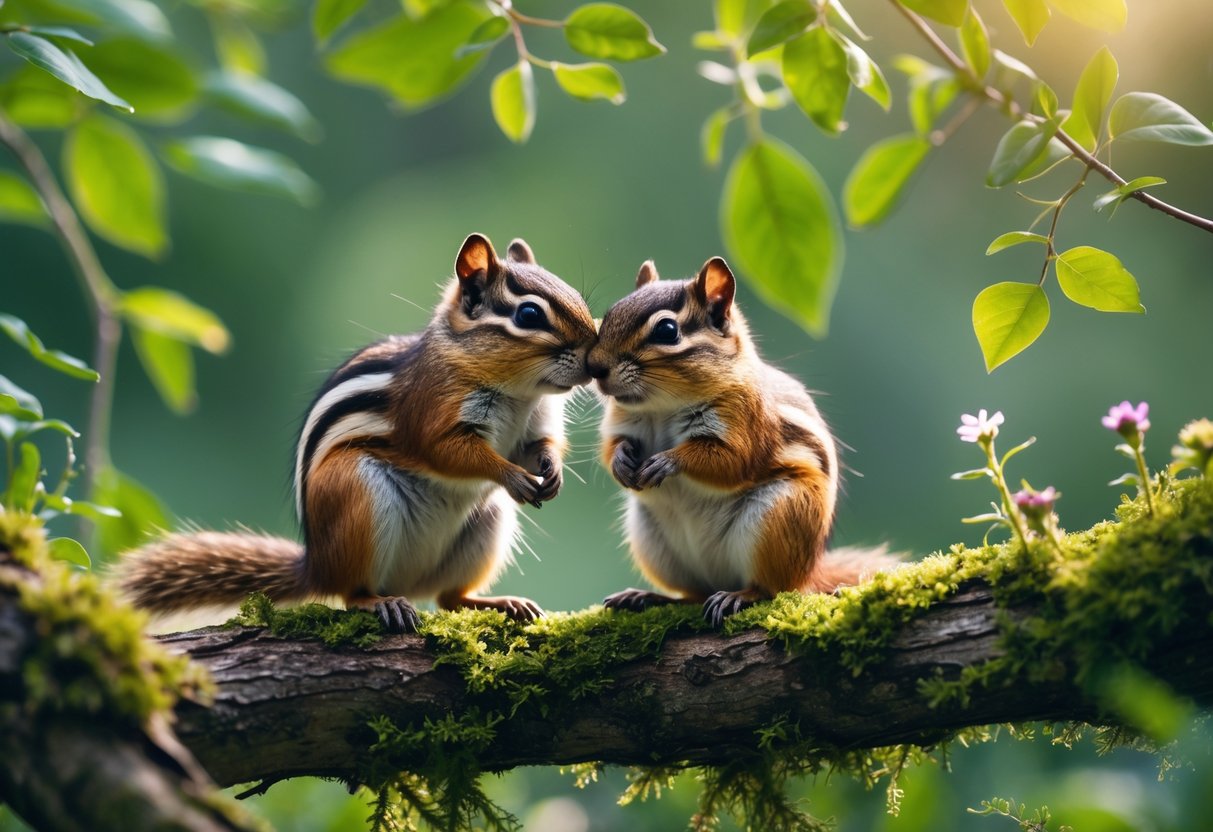
Chipmunks don’t form lifelong pairs. They focus on reproduction and keep things brief.
After they mate, the male and female split up. The female takes care of the babies all by herself.
This way of doing things is pretty different from animals that stick together for life.
Mating Habits and Solitary Nature
Chipmunks usually keep to themselves. When it’s time to mate, males and females only meet up to breed.
Eastern chipmunks have two breeding seasons a year—once in early spring, then again in early summer.
Once they’re done mating, the female quickly chases the male away. They don’t share territory or pair up.
Each chipmunk guards its own home turf, which can be about half an acre to an acre. You won’t really see chipmunks living as families or couples.
Parental Roles and Offspring Care
The female chipmunk raises the babies on her own. She usually has 2 to 5 babies in a litter after about a month of pregnancy.
The babies stay hidden in the burrow for several weeks and learn how to find food. The mother keeps a close eye on them.
After around 6 weeks, the little ones start heading outside, but they still need their mom for a bit. Eventually, the mother gets more strict and pushes them to leave.
Males don’t help at all with raising the young.
Contrasts With Animals That Mate for Life
Animals that mate for life stick together, share parenting, and defend their space as a team. Chipmunks just don’t do that.
Their relationships only last for a short, seasonal window.
You won’t catch chipmunks courting or sharing a home like some birds or mammals do. They focus on mating during the season, then go back to being on their own.
This solitary approach helps them protect their resources and keep their burrows safe.
If you want more details, check out eastern chipmunk breeding habits on the Mass Audubon website.
Chipmunks and Squirrels: Relationship and Mating Differences

Chipmunks and squirrels are both rodents, but they’re pretty different. They might share a few habits, but their lifestyles and mating behaviors set them apart.
Understanding these differences makes it clear why chipmunks don’t mate for life, and it sheds some light on how they interact with squirrels.
Can Chipmunks and Squirrels Interbreed?
Chipmunks and squirrels belong to different species, so they can’t mate or have babies together. Their genetics just don’t match up.
If you ever spot a chipmunk and a squirrel hanging out, they’re just sharing space—not looking for love.
Each animal has its own mating routine. Chipmunks usually mate twice a year, in spring and early summer, and have several babies in each litter.
Squirrels also mate twice a year, but their timing often depends on food availability.
Even if chipmunks and squirrels eat near each other, they don’t really compete much or mix when it comes to mates. Their habits and territories keep them apart.
If you’re interested, you can read more about how chipmunks and squirrels coexist at Surprising Differences Between Chipmunks and Squirrels.
Chipmunks in Popular Culture
Chipmunks, especially the iconic Chip and Dale, have popped up all over cartoons and media. These little guys grab your attention with their clever tricks and silly antics.
Real chipmunks don’t stick with a single partner for long, unlike some other animals. Still, their energetic and curious personalities seem to spark our imagination.
You’ll spot chipmunks in stories and shows doing things like stashing food or flicking their tails to communicate. Writers and animators often highlight their smaller size and those distinctive stripes, so they stand out from squirrels.
Because chipmunks show up in so much childhood media, it’s easy to assume they mate for life. But actually, they don’t—they usually have several partners during mating season, not just one.


