
If you’ve seen those little striped critters darting around your yard, you might be asking yourself—are chipmunks actually a problem? They look adorable, sure, but chipmunks can cause real trouble for your garden by digging tunnels, munching on bulbs, fruits, and veggies, and messing up your plants and soil.
Their digging leaves holes that can mess with your lawn or even make walkways uneven.
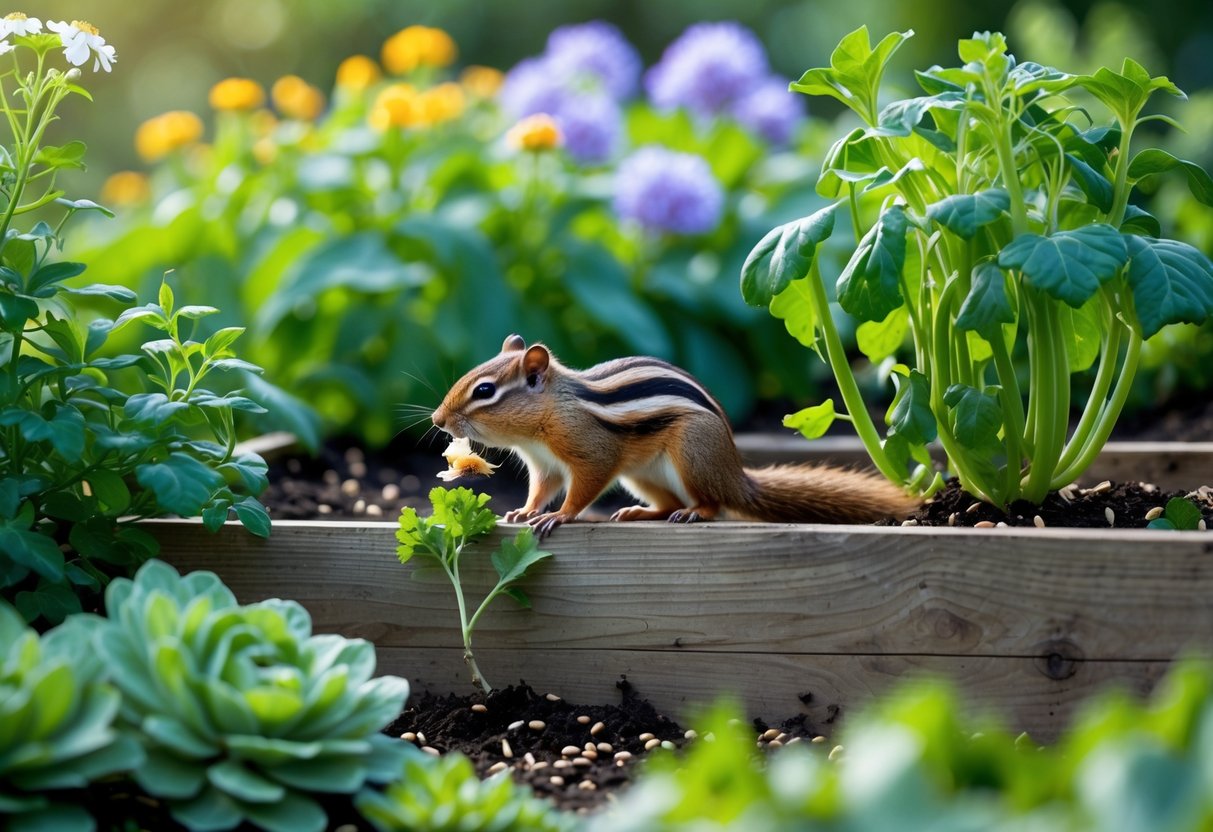
But hey, chipmunks aren’t all bad. They’re part of the ecosystem and actually help control some insects and spread seeds around.
Still, if they’re eating your strawberries or tearing up your tulip bulbs, you’ll probably want to know how to keep them out. Figuring out what brings chipmunks to your garden and spotting the signs early can help you stay one step ahead.
You’ll find some straightforward ways to spot chipmunk damage and some practical tips for keeping them away—without hurting them or your plants. Whether you’re a gardening pro or just getting started, knowing how to handle chipmunks can save you a lot of headaches. If you want more in-depth advice, check out this detailed guide on how to keep chipmunks out of your garden.
How Chipmunks Can Harm Your Garden

Chipmunks might look cute, but they can really mess up your garden. They dig tunnels, eat plants, and sometimes bring risks you might not expect.
Knowing about these issues can help you protect your garden.
Typical Garden Damage from Chipmunks
Chipmunks love to dig. They make underground tunnels that disturb your plants’ roots.
You might spot holes or little mounds where they’ve been working. Their digging can weaken your plants, sometimes making them wilt or die.
They also eat fruits, veggies, and seeds—especially bulbs and tender young plants. If you notice missing bulbs or chewed-up fruits, chipmunks might be the reason.
Their constant foraging can lower your garden’s productivity.
You might see scattered soil or flower beds that look torn up after chipmunks have been around. This kind of damage can make your garden look messy and slow down plant growth.
Risks to Plants, Bulbs, and Structures
Chipmunks don’t just eat your plants—they can ruin bulbs before they even have a chance to sprout. This limits what you can grow.
They’ll nibble on new shoots and berries, which can affect your garden’s health.
When chipmunks burrow near your home, they can cause even bigger problems. Their tunnels might damage foundations, and fixing that isn’t cheap.
If you see cracks or strange holes near your walkways or foundation, chipmunks could be to blame.
Their digging can make your garden’s landscape unstable. This messes with soil drainage and puts extra stress on your plants.
It’s important to protect bulbs and structural areas if you’ve got chipmunks hanging around.
Health Concerns Associated With Chipmunks
Chipmunks usually keep to themselves, but they can carry diseases that affect people and pets. They sometimes bring in ticks, and ticks can carry Lyme disease.
If chipmunks are around, you might have a higher chance of ticks getting on you or your pets.
They also spread bacteria or viruses through their droppings. If you’re gardening where chipmunks are active, it’s a good idea to wear gloves and wash your hands afterward.
Chipmunks rarely bite, but their presence can attract other pests. Keeping your garden tidy and watching for chipmunk activity can help reduce these health risks.
If you want more details, check out this article on typical chipmunk damage.
Effective Ways to Deter Chipmunks from Your Garden

If you want to stop chipmunks from wrecking your garden, you’ll probably need to use a mix of barriers, repellents, and some changes to your garden setup.
Each method works best when you focus on making your yard less appealing and harder for chipmunks to get into.
Physical Barriers and Hardware Cloth
Physical barriers work really well for keeping chipmunks out. Try using hardware cloth—that’s a tough wire mesh—around your garden beds or under plant areas.
Make sure you bury the hardware cloth about 6 to 12 inches deep so chipmunks can’t dig under it.
You can also wrap bulbs or other plants with wire mesh to keep them from getting dug up.
Another option is chicken wire or a garden fence with tiny gaps. Chipmunks can’t squeeze through small openings.
It’s a good idea to check for holes or gaps every so often so chipmunks don’t sneak in.
Natural and Commercial Repellents
Natural repellents like cayenne pepper, garlic powder, or predator urine can make chipmunks think twice about hanging around. Sprinkle these around your plants or along chipmunk trails.
Some people use peppermint oil on cloths to keep chipmunks away—the smell really bothers them.
Just remember to reapply after it rains or after you water, or the scent fades.
You can buy commercial repellents too. Most use natural or synthetic ingredients that chipmunks dislike, but they won’t harm them.
You’ll usually need to reapply these products pretty often to keep them working.
Reducing Attractants and Habitat
Chipmunks love easy meals and cozy hiding spots. If you want fewer of them around, pick up any fallen fruits, seeds, or nuts from your garden.
Keep birdseed and pet food in sealed containers. Otherwise, chipmunks will find their way to a free buffet.
Tidy up brush piles, tall grass, or woodpiles since chipmunks use these spots to hide and dig tunnels.
When you leave some natural habitat nearby, you might attract natural predators like coyotes. They help keep chipmunk numbers in check—no harsh chemicals or traps needed.
All these little changes can really help you protect your garden from chipmunks’ digging and snacking.


