Ever wondered if you could actually befriend a chipmunk? These tiny, lively critters might seem impossible to approach, but honestly, it’s not out of the question.
You really can earn their trust and maybe even feed them from your hand—if you’re patient and gentle. Chipmunks usually keep their distance from people, but if you move slowly and stick around quietly, you might start building a bond.
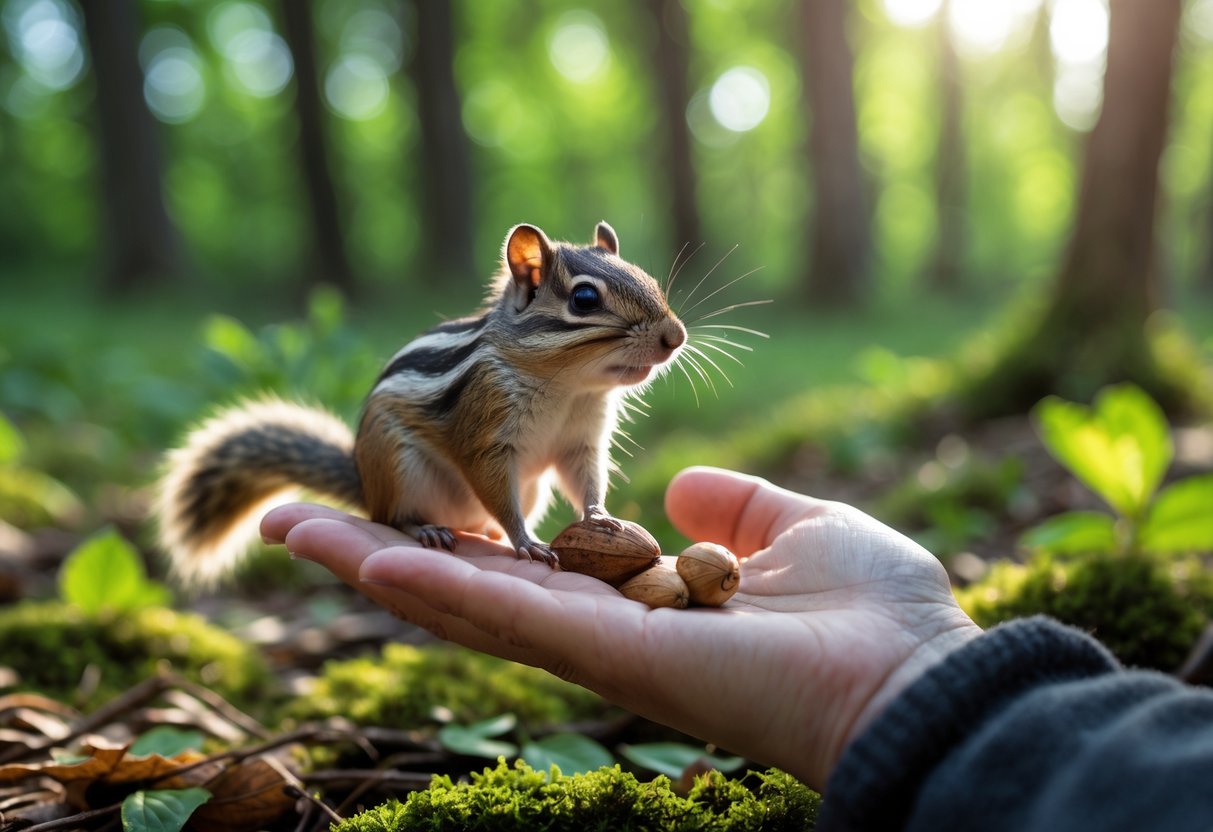
Getting a chipmunk to relax around you definitely takes some effort. You’ll need to hang out in their territory without startling them and offer up foods they actually like, like peanuts or sunflower seeds.
Once they realize you mean no harm and the snacks come from you, their curiosity might just win out.
If you love watching wildlife and want to feel closer to nature, befriending a chipmunk can be a pretty rewarding experience. It’s really about respecting their space and letting them set the pace.
Your quiet garden visits could turn into memorable encounters if you’re patient. If you want to try, this guide on hand feeding chipmunks is a good place to start.
Can You Befriend a Chipmunk in the Wild?

You can absolutely try to befriend wild chipmunks, but you’ll need a lot of patience and a good sense of their habits. When you understand how chipmunks behave and learn how to gain their trust, you’ll have a better shot at connecting.
Keeping in mind the risks is important too. You want to keep both you and the chipmunks safe.
Understanding Chipmunk Behavior
Chipmunks mostly keep to themselves and tend to be shy. Eastern chipmunks spend a lot of time in underground tunnels and only pop out to grab food.
They can act pretty cautious around people, especially at first. If a chipmunk feels threatened, it might stomp its feet or flick its tail.
If you notice this, just back off and stay calm. They don’t really seek out human company, so your patience matters a lot.
Chipmunks interact more during mating season, but otherwise, they stick to their own routines. Sitting quietly near their usual paths can help them get used to you without feeling threatened.
Trust-Building Techniques
Start by showing up at the same spot each day where chipmunks hang out. Bring along their favorite snacks, like shelled peanuts or sunflower seeds, and offer food nearby.
Instead of just leaving food and walking away, try giving it to them when they’re watching. That way, they’ll connect you with the treats.
Move slowly, keep your voice soft, and don’t rush things. Gradually place the food closer to where you’re sitting.
Eventually, if the chipmunk feels safe, you might get to hand-feed it by holding food in your palm. Focusing on one or two bold chipmunks can help you form a stronger bond.
Sudden moves will spook them, so try to stay still and relaxed when they’re around you.
Potential Risks and Safety Tips
Chipmunks aren’t really dangerous, but they’re still wild and might bite if they get startled. Sometimes, they mistake fingers for food, which can be a little awkward.
If a chipmunk tries to nip, a gentle “eh eh” can help discourage it. Chipmunks, like other rodents, can carry diseases.
Don’t handle them if you notice any signs of illness or if you have cuts on your hands. Always wash your hands after any contact, just to be safe.
Feeding them too much can make them lose their natural caution, which sometimes leads to trouble—like sneaking into your attic or chewing wires. Keep feeding moderate and clean up any leftover food.
Respecting their space and habits goes a long way in keeping these little friends safe and happy.
If you want more on hand-feeding, check out this five-step chipmunk guide.
Tips for Safe and Respectful Chipmunk Interaction

If you’re hoping to befriend chipmunks, you’ll want to pick the right food, learn how they differ from other animals, and pay attention to local rules. This approach helps you build trust without messing up the natural balance.
Food and Incentives for Gaining Trust
Choosing the right food makes a big difference. Shelled peanuts, sunflower seeds, and small nuts work well since chipmunks love them and can stash them in their cheek pouches.
Skip the human snacks—anything salty or sugary isn’t good for them. Only offer small amounts and don’t feed for too long, so they don’t get too dependent.
Try putting food near where you’re sitting quietly. That way, chipmunks start associating you with safety and treats.
You might toss food gently at first, then move it closer to your hand as days go by. Some chipmunks are shy and might need several days, or even weeks, before they’re brave enough to eat from your hand.
Patience really is everything here.
Differences Between Chipmunks and Other Small Mammals
Chipmunks might look a lot like squirrels or groundhogs, but their behavior is different. Squirrels tend to be more social, while chipmunks usually keep to themselves unless it’s breeding season.
They rely on underground burrows for shelter, which changes how they react to danger. Squirrels might dash up trees, but chipmunks dive into tunnels.
Never try to feed foxes or other wild carnivores—they can be dangerous and aren’t meant to be tamed. Since chipmunks aren’t predators, they’re a lot safer to interact with.
Understanding these differences helps you respect their needs and keeps you safer around wildlife.
Wildlife Laws and Ethical Considerations
Before you feed or interact with chipmunks, take a moment to check your local wildlife laws. Some places actually ban feeding wild animals to avoid health risks or making them too dependent on people.
Respect chipmunks’ natural instincts. Try not to handle them too much or push for interaction, since you could stress them out or even hurt them.
If you want to watch chipmunks, set up a quiet, safe spot. Make sure to keep dogs, cats, and other pets away during feeding so chipmunks stay protected.
Aim to help chipmunks without messing with their wild habits. Let them thrive on their own terms.
For more tips, you might want to check out building trust with chipmunks.


