
Are chipmunks digging up your garden or flower pots? You might be wondering if aluminum foil could actually keep them away.
Yep, aluminum foil can deter chipmunks since they really don’t like the shiny surface or the weird texture under their feet. If you put foil around your plants, chipmunks usually steer clear, and you won’t hurt them in the process.
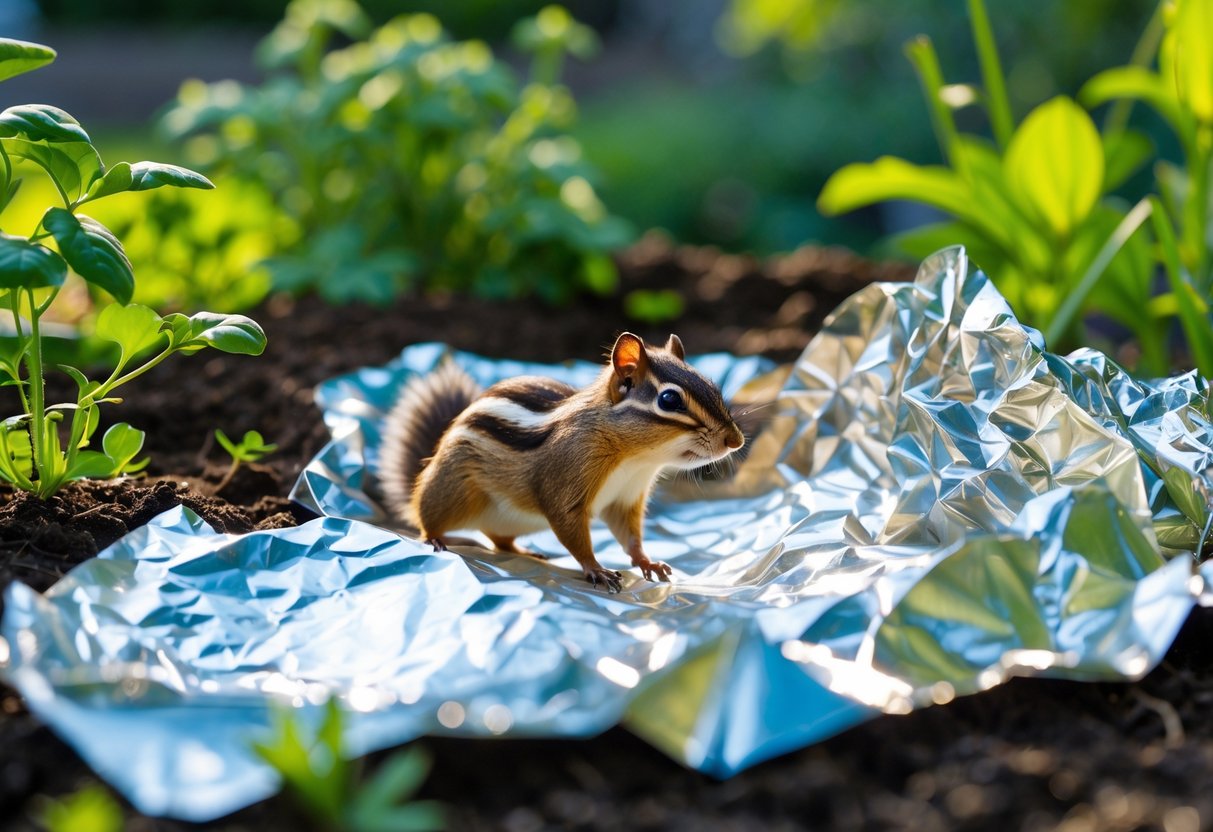
You don’t need to mess with harsh chemicals or traps. Just place or hang aluminum foil near your plants, and it forms a harmless barrier that chipmunks want nothing to do with.
This simple trick can save your garden from damage while keeping wildlife safe.
If you’re curious about how to use aluminum foil effectively, or you want a few more tips, just keep reading.
You’ll find some easy ways to protect your plants and actually enjoy a chipmunk-free space.
Does Aluminum Foil Deter Chipmunks?

When you use aluminum foil in your garden, you can keep chipmunks away by making a barrier they just don’t want to cross. The foil creates a surface that’s slippery or just feels odd on their feet.
If you want the best results, place the foil in the right spots and compare it with other methods.
How Aluminum Foil Is Used in Gardens
Wrap the base of trees or poles with aluminum foil to stop chipmunks from climbing. The foil’s slick, shiny surface makes it hard for their little claws to grip.
This method doesn’t hurt chipmunks or your plants.
You can also cover the edges of flower pot shelves or garden beds with strips or sheets of foil. Chipmunks really dislike the texture and will avoid walking over it.
Cut the foil to fit the spots where you see them coming in.
Since foil is chemical-free and super easy to use, a lot of gardeners like this trick when they want to avoid harsh products.
Effectiveness Compared to Other Chipmunk Repellents
Aluminum foil works, but honestly, it’s usually best as part of a mix. It’s safer and less toxic than sprays or powders, for sure.
It doesn’t have a strong smell like peppermint oil or garlic, which some chipmunks also hate.
Physical barriers—like foil or fencing—just block chipmunks from specific places. If you really want to annoy them, motion sensors or ultrasonic gadgets add another layer of disturbance that foil can’t do alone.
Foil works great for small spots or wrapping tree trunks. If you’ve got a bigger space, sprays or planting strong-smelling herbs might help more.
Combining a few methods gives you a much better shot at keeping chipmunks out.
Where to Place Aluminum Foil for Maximum Protection
Wrap aluminum foil around the bottom of tree trunks, about a foot or two high. That way, chipmunks can’t climb up.
Make sure you wrap the foil all the way around, so there aren’t any gaps.
Cover the edges of flower pot shelves or the sides of garden beds where chipmunks like to dig or walk. Press the foil down so it doesn’t flap or blow away.
Don’t put foil right on the soil or plants, since that can block water and air.
Focus on the surfaces chipmunks use to climb or travel. This way, you keep chipmunks out and don’t mess up your garden.
If you want more ideas, check out how aluminum foil is used in gardens for chipmunk control.
Alternative Chipmunk Deterrents and Exclusion Methods

You’ve got other options besides aluminum foil to keep chipmunks out. Some block access, others use smells or plants that chipmunks just don’t like.
If you combine a few of these, your garden gets a lot less tempting for those little troublemakers.
Comparing Netting, Foil, and Natural Barriers
Netting is a strong physical barrier you can put around plants or over soil. It keeps chipmunks from digging or getting at the roots.
Try using chicken wire or garden netting to cover pots or beds. Just make sure you cut holes for your plants.
Aluminum foil’s an easy, cheap way to discourage chipmunks. They hate the shiny look and the feel, especially when it’s over the soil.
If you poke a few holes in it, water still gets through, so your plants won’t suffer.
Natural barriers like rocks or thick mulch can make digging harder for chipmunks. These work even better when you use them with netting or foil.
Layering a few barriers gives your garden extra protection.
Using Marigolds as a Chipmunk-Repelling Plant
Marigolds are a great natural way to keep chipmunks away. Their strong scent confuses or irritates chipmunks, so they tend to avoid gardens with marigolds.
Plant marigolds around the edges of pots or beds. They add color and create a border chipmunks don’t like to cross.
Plus, marigolds are easy to grow and attract good bugs to your garden. They’re a nice, low-effort way to protect your plants without using chemicals.
Natural Homemade Sprays and Other Humane Repellents
Looking for a gentle way to keep chipmunks off your plants? Try making a homemade spray.
Boil cayenne pepper or garlic in water, then spray the mix on leaves and soil. It helps repel chipmunks without harsh chemicals.
You might also like peppermint oil. Soak some cloths in it and set them near your pots, or wrap them in shiny aluminum foil for a little extra punch.
These sprays and scents won’t harm pets or kids, but you’ll need to reapply them after rain or watering.
Pair these methods with netting or foil for better chipmunk control. Honestly, it’s a bit of trial and error, but worth a shot if you want to avoid traps or poisons.


