
If you’re tired of squirrels and chipmunks digging up your garden or making a mess of your plants, you might’ve heard that coffee grounds can help keep them away. These critters really don’t like the smell of coffee, so tossing spent grounds around your garden can work as a natural deterrent.
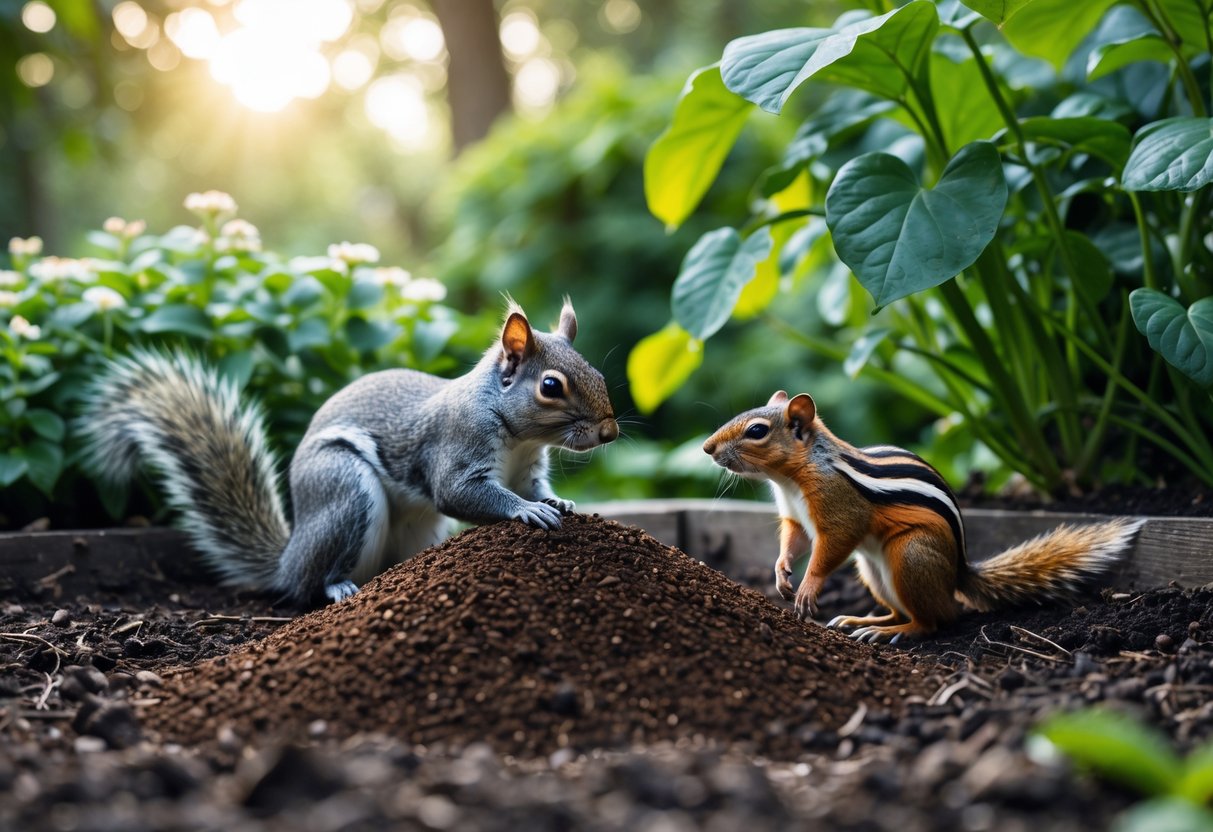
Coffee grounds can repel squirrels and chipmunks, but the smell fades quickly, so you’ll need to reapply them often if you want to keep the effect going. This method is safe and non-toxic, but honestly, it’s not a perfect or permanent fix. You might want to use it with other options for better results.
Using coffee grounds is simple, and chances are, you already have some at home. If you want to know how to use them right—or what other natural tricks actually work—keep reading.
Effectiveness Of Coffee Grounds For Repelling Squirrels And Chipmunks

Coffee grounds can bother squirrels and chipmunks because of their strong smell. How well they work depends on how you use them and what kind of pests you’re dealing with.
If you use coffee grounds the right way, you can protect certain spots like gardens or bird feeders. Still, it’s not a foolproof solution for every situation.
How Coffee Grounds Deter Squirrels
Squirrels really dislike the bitter, strong scent of coffee grounds. The smell can mask the scents of food, so your garden or bird feeder seems less appealing.
When you sprinkle used coffee grounds around places squirrels visit, you can mess with their sense of smell and make them uneasy. But the scent fades pretty fast, especially if it rains or the wind picks up.
You’ll need to reapply often if you want to keep them away. Some squirrels just get used to it and ignore it after a while. So, coffee grounds work more as a temporary fix than a permanent one.
Impact On Chipmunks And Other Pests
Chipmunks and other small rodents can react to the smell of coffee grounds, too. Like squirrels, they rely on their noses to find food.
The strong coffee scent makes your garden less appealing to them, so you might see less damage to plants or bulbs. Still, coffee grounds won’t stop every pest, and results can vary a lot.
Some chipmunks might not care, or they might come back once the smell is gone. If you use coffee grounds with other natural methods, like garlic or peppermint oil, you’ll have a better shot at keeping these critters away.
How To Apply Coffee Grounds In The Garden
To use coffee grounds, sprinkle a thin layer around plants, garden beds, or bird feeders where squirrels and chipmunks cause trouble. Refresh the grounds every week or two, especially after rain, to keep the smell strong.
Don’t pile up thick layers—too much can mess with your soil or plants. You can also mix coffee grounds into compost to help your soil while adding a bit of pest protection.
If you put grounds near holes or burrows, you might discourage chipmunks from coming back. Using coffee grounds with other barriers or repellents gives you the best shot at keeping squirrels and chipmunks away.
For more ideas on coffee grounds and squirrels, check out this guide on repelling squirrels.
Alternative Natural Repellents And Strategies

You can protect your garden from squirrels and chipmunks by using strong smells, planting certain repellents, or setting up physical barriers. Every garden is different, so you might need to experiment a bit.
Using Strong Scents Like Cayenne Pepper And Garlic
Strong smells like cayenne pepper and garlic can really bother squirrels and chipmunks. Sprinkle cayenne pepper around plants you want to protect, but be careful not to breathe it in or get it on your skin.
You can mix garlic with water to make a spray for your plants. This homemade spray gives off a sharp smell that pests usually hate.
Apple cider vinegar is another option. Soak some cloth strips in vinegar and lay them near your garden. The smell can keep a lot of small animals away.
These scents don’t last forever, so you’ll need to reapply them, especially after rain. They won’t hurt your plants, but they make the garden less inviting for pests.
Repellent Plants For Gardens
Some plants naturally keep squirrels and chipmunks at bay. Mint is a strong-smelling herb that these pests usually avoid. Try planting it around the edges of your garden or in pots.
Marigolds and daffodils have smells and tastes that make squirrels think twice. Their bright flowers add color to your garden, too.
Allium, hyacinth, and tulips give off scents that can drive away a lot of critters. These flowers look great and do a pretty good job protecting bulbs from being dug up.
Planting these can create a natural barrier and lower the chances of damage from squirrels, chipmunks, and even gophers or raccoons.
Physical Barriers And Tidy Landscaping
Physical barriers really help keep pests away from your plants. Try using wire mesh or hardware cloth around flower beds or trees.
Bury the mesh a few inches into the ground—otherwise, some critters will just dig right under it.
Make sure your fences are tall enough, and don’t forget to bury them a bit, too. That way, you stop animals from climbing or burrowing their way in.
Keep your garden tidy. Pick up fallen fruits, nuts, or birdseed, since those things attract all sorts of pests.
You might want to set up squirrel-proof bird feeders far from your plants. That can pull their attention away from your garden.
When you combine barriers with a clean garden, you take away hiding spots and easy food for unwanted visitors.


