
Ever noticed bite marks on wooden parts of your house or yard? You might start to wonder—could chipmunks be the culprits here?
Yep, chipmunks definitely bite and chew on wood. They have to gnaw on hard stuff to keep their teeth from growing out of control, so wood often ends up in their sights.
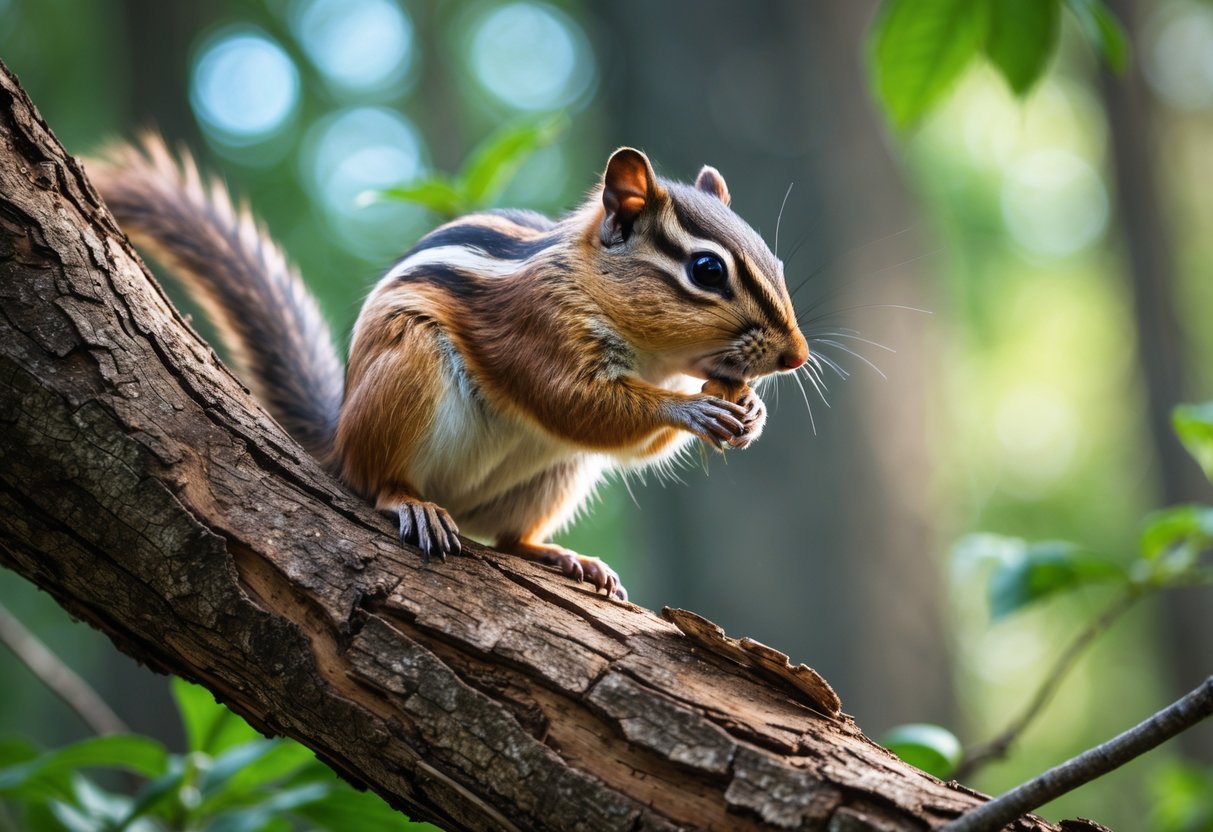
This chewing can mess up things like decks, trim, or even your siding. If you ignore it, you might deal with bigger headaches down the road.
If you know why and how chipmunks chew wood, you’ll have a better shot at protecting your place and figuring out what to do next.
Do Chipmunks Bite or Chew Wood?

Chipmunks chew to keep their teeth healthy. Their habits are pretty specific, and honestly, they’re not as destructive as some other rodents.
If you get a handle on how and why they interact with wood, you can protect your home and garden a bit better.
Typical Chewing Behaviors in Chipmunks
Chipmunks chew mostly to wear down their front teeth, which never stop growing. They go after softer stuff like bark, nuts, or stems.
You might spot them nibbling on wood, but it’s usually not a big deal. Their chewing is minimal.
Unlike other rodents, chipmunks don’t aggressively gnaw or dig into hard wood. They bite slowly and carefully, mainly to make tiny access holes or clear obstacles.
Sometimes, they’ll chew to mark their territory or clear a path. If you see serious damage or big holes, chipmunks probably aren’t the main suspects.
Why Chipmunks Bite Wood
Chipmunks chew wood for a couple of reasons. First, it keeps their teeth sharp and under control.
Second, they might chew small gaps to squeeze through tight spots when they’re getting into nests or shelters.
You might notice them working on wood near foundation cracks or attic entries. Usually, they’re just trying to make an existing hole a bit bigger—not starting from scratch.
Sometimes, chipmunks chew wood near food sources, but they aren’t eating the wood. Their bites are more about making things comfortable or easier to access, not about getting a meal.
Signs of Chipmunk Wood Damage
If chipmunks chew wood, you’ll see small, neat bite marks instead of big chewed-up spots. Look for tiny holes or scratched areas, especially around siding, window frames, or vents.
Check for other clues like droppings, tracks, or nests nearby. Chewing damage usually shows up with these other signs if chipmunks are hanging out inside.
Remember, chipmunks rarely cause serious wood damage. If you find big holes, you should probably check for other pests first.
If you want more info on chipmunk behavior, take a look at this chipmunk chewing wood discussion.
Differences Between Chipmunks and Squirrels in Wood Chewing

You might spot both chipmunks and squirrels chewing on wood, but honestly, they do it for different reasons and in their own ways.
If you understand their chewing habits, you can figure out which animal is causing those marks around your home or garden.
Comparing Chipmunk and Squirrel Chewing Habits
Chipmunks chew wood mainly to keep their teeth sharp since those teeth just keep growing. They usually stick to smaller wooden structures near the ground or inside their burrows.
Since they’re ground dwellers, you’ll find their chew marks in low or hidden places. Squirrels, though, are bigger and hang out in trees more often.
Squirrels chew wood for teeth maintenance too, but they also want to build nests or get to food. You’ll see them reaching higher spots like attics, roofs, or decks, leaving more obvious damage.
They’re more likely to gnaw on all sorts of stuff, even wiring and wooden siding.
Red Squirrels vs. Chipmunks: Wood-Biting Tendencies
Red squirrels look a lot like chipmunks, though you won’t see those trademark stripes on them.
These squirrels tend to bite wood more aggressively. Sometimes, you’ll spot a red squirrel gnawing away at a wooden corner or the edge of a roof.
They seem to love spots with small gaps, especially if they can squeeze in.
Chipmunks, on the other hand, usually stick to low or tucked-away places. They don’t go for the high or tough-to-reach areas.
You’ll probably catch them chewing in corners where they can dash off quickly. If you hear chirping sounds around wooden parts of your home, chances are it’s a chipmunk.
Red squirrels don’t make as much noise, but wow, they can still mess up wood—especially when they’re trying to make more room for their nests.
Curious about the different chewing habits? This article on Squirrel vs Chipmunk Differences digs into it with some handy info.


