
If you’ve spotted chipmunks darting around your yard or porch, maybe you’re wondering if they’re actually a problem. The truth is, chipmunks can damage structures and carry diseases, so you should be a bit cautious.
They usually keep to themselves and don’t want anything to do with people. Still, their digging and chewing can mess up your property in ways you might not expect.
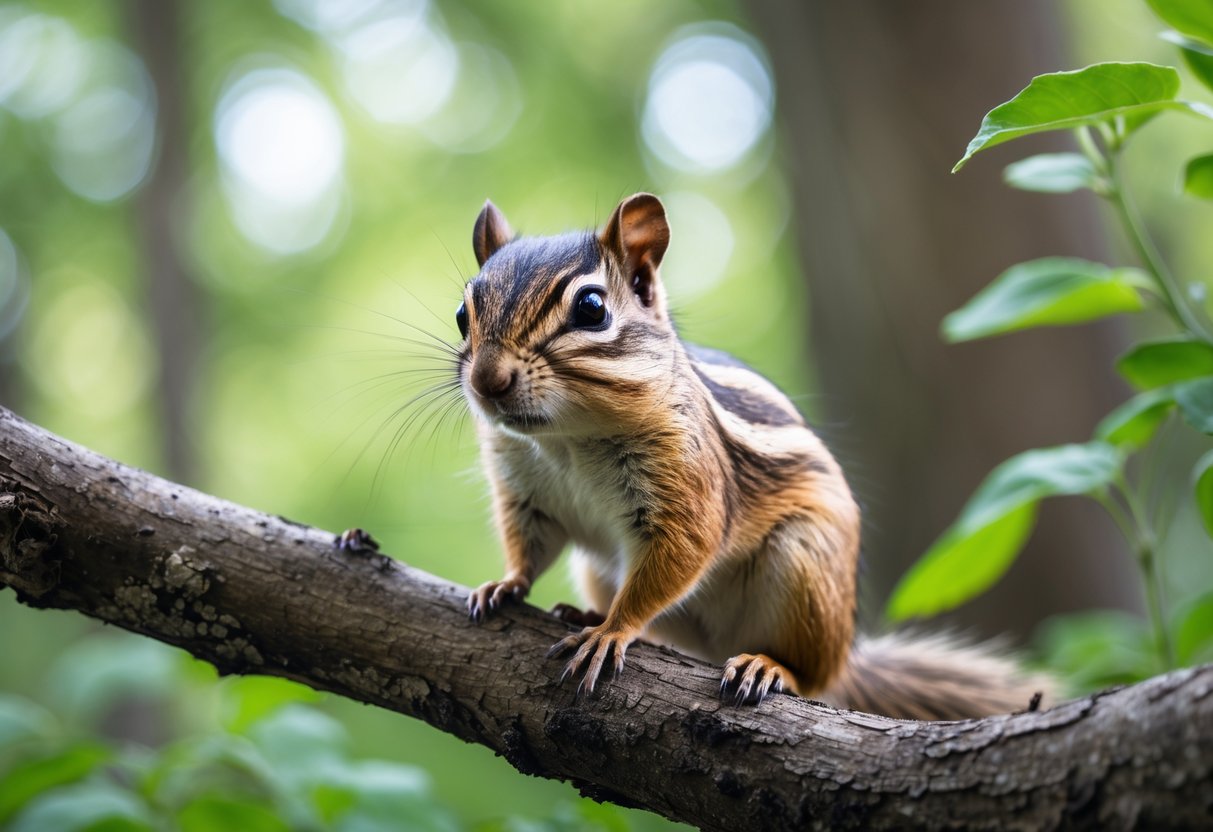
Sure, chipmunks look adorable, but their tunnels can mess with patios, decks, and even foundations. Sometimes they carry diseases like salmonella or hantavirus, which could put you or your pets at risk if you get too close.
Knowing the risks helps you figure out how to keep your home protected and handle these little rodents the right way.
If you’re curious about chipmunk behavior, the damage they can cause, or ways to keep them away, stick around. It’s worth knowing what to look out for and how to deal with chipmunks without stressing out.
Are Chipmunks Harmful to Property?

Chipmunks can make a mess of your property in a few different ways. They dig tunnels that mess with the ground’s stability.
They also chew on plants and stuff around your house. If you know what to look for, you’ll have a better shot at keeping your yard and home safe.
Burrowing and Foundation Issues
Chipmunks dig burrows near your home and in your yard. Their tunnels can erode the soil under decks, patios, or even your foundation.
Over time, you might notice uneven ground or shifting surfaces outside.
If chipmunks dig near retaining walls or foundations, that structure could weaken or even shift. You might spot cracks or end up facing expensive repairs.
Look for small holes or loose dirt near the base of your house—these usually mean chipmunks have moved in.
Burrowing isn’t just a lawn issue; it can actually affect your home’s safety. If you see damage or find holes, it’s smart to get help before things get out of hand.
Damage to Gardens and Landscaping
Chipmunks love digging up bulbs, sprouts, and seeds in gardens. Your flower beds or veggie patches might end up looking pretty rough.
They stash food underground, which means even more digging and plants getting yanked out.
You could find piles of sunflower seeds or corn sprouts tucked away in your yard. Chipmunks also munch on low plants and vegetables, especially when it’s dry or hot.
To keep your garden safe, try using hardware cloth or wire mesh over your plants. If you keep bird feeders clean, you’ll cut down on spilled seeds that attract chipmunks.
Chewing Hazards in Structures
Chipmunks have to chew all the time because their teeth never stop growing. They’ll gnaw on wood—like decks, sheds, and fences—which can slowly wreck those structures.
Sometimes they chew electrical wires, too. That’s not just annoying; it could lead to electrical shorts or even fires.
Check the outside of your house for bite marks or little holes. If you find any, seal them up to keep chipmunks from sneaking inside and making things worse.
If the chewing gets out of hand, it might be time to call a pest control expert to get rid of them safely.
If you want more info about chipmunk burrowing and damage, check out this property damage guide.
Chipmunk Droppings and Associated Health Risks
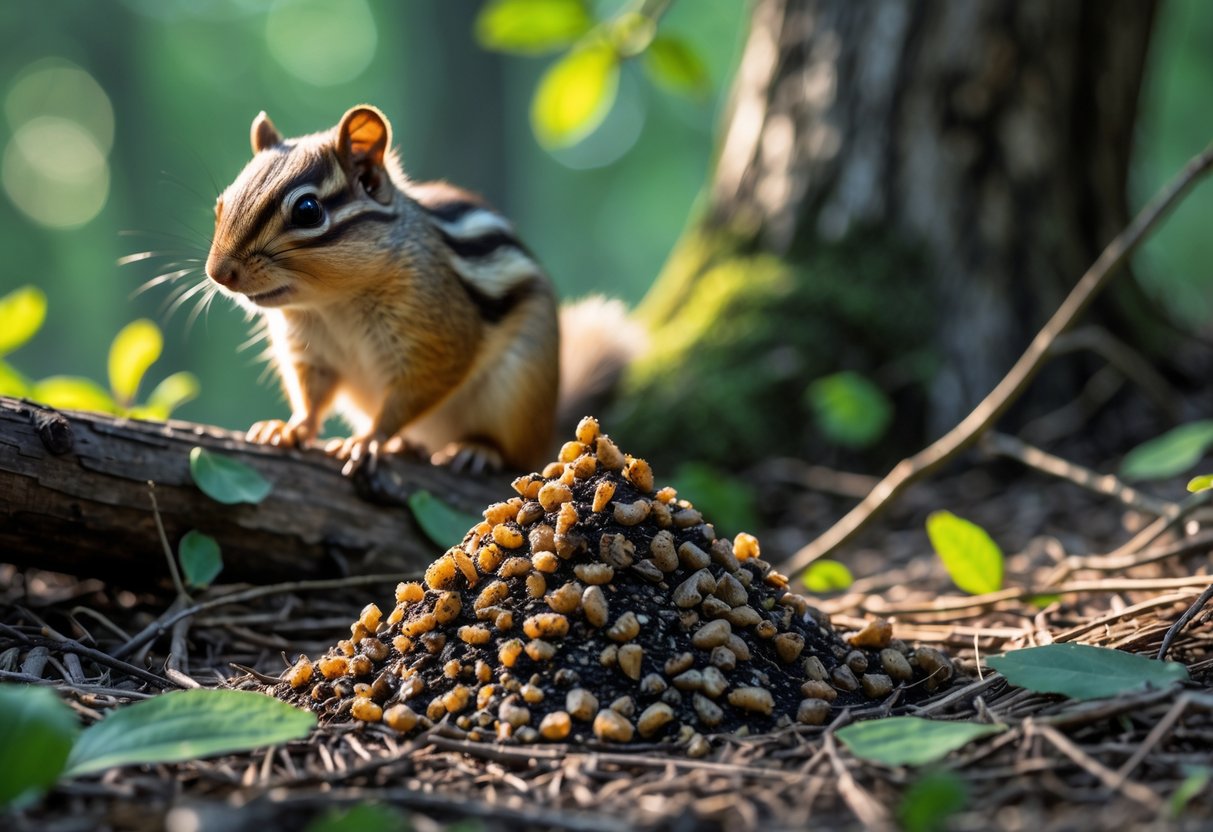
Chipmunk droppings can spread germs and parasites that might make you sick. It’s good to know what diseases they carry and how to spot and clean up their mess safely.
Diseases Transmitted by Chipmunks
Chipmunks spread diseases through their droppings, urine, and saliva. Ticks that hitch a ride on chipmunks can spread Lyme disease, and fleas can carry the plague from chipmunks.
You might also run into bacteria like Francisella tularensis, which causes tularemia, or viruses like hantavirus. If you touch droppings or breathe in dust from dried chipmunk waste, you could get sick.
These illnesses can cause fever, tiredness, or even trouble breathing.
If you avoid contact and clean up chipmunk areas carefully, you’ll lower your risk of getting sick.
Leptospirosis and Hantavirus from Feces
Two pretty serious health risks from chipmunk droppings are leptospirosis and hantavirus.
Leptospirosis comes from bacteria in water or soil that chipmunk urine or droppings have contaminated. It can make you feel feverish, achy, and give you headaches.
Hantavirus spreads when you breathe in dust from dried chipmunk droppings or urine. This virus can hit your lungs hard and get dangerous fast.
If you’re cleaning up chipmunk messes, always wear gloves and a mask. That way, you’ll avoid picking up something nasty.
Identifying and Cleaning Chipmunk Droppings
Chipmunk droppings are tiny, dark, and usually measure about 1/4 inch long. You’ll spot them looking like little pellets near burrows, gardens, patios, or sometimes under decks.
If you need to clean them up, grab some rubber gloves and a mask first. That’s just the smart thing to do.
Spray the droppings with disinfectant, or use a mix of bleach and water. Make sure you really soak them.
Pick up the droppings with paper towels. Then toss everything in a sealed bag.
Wipe down the area with disinfectant when you’re done. Don’t forget to wash your hands thoroughly with soap and water.
Avoid sweeping or vacuuming dry droppings—doing that just stirs up harmful dust. It’s not worth the risk.
Want to know more about the dangers? Check out the risks of chipmunk droppings and diseases.


