
Ever wondered if you can have a chipmunk as a pet in the UK? Well, here’s the deal—since 2016, it’s illegal to buy, sell, or keep Siberian chipmunks as pets in the UK. Authorities made this rule because these little guys are considered invasive and could seriously mess with local wildlife and the environment.
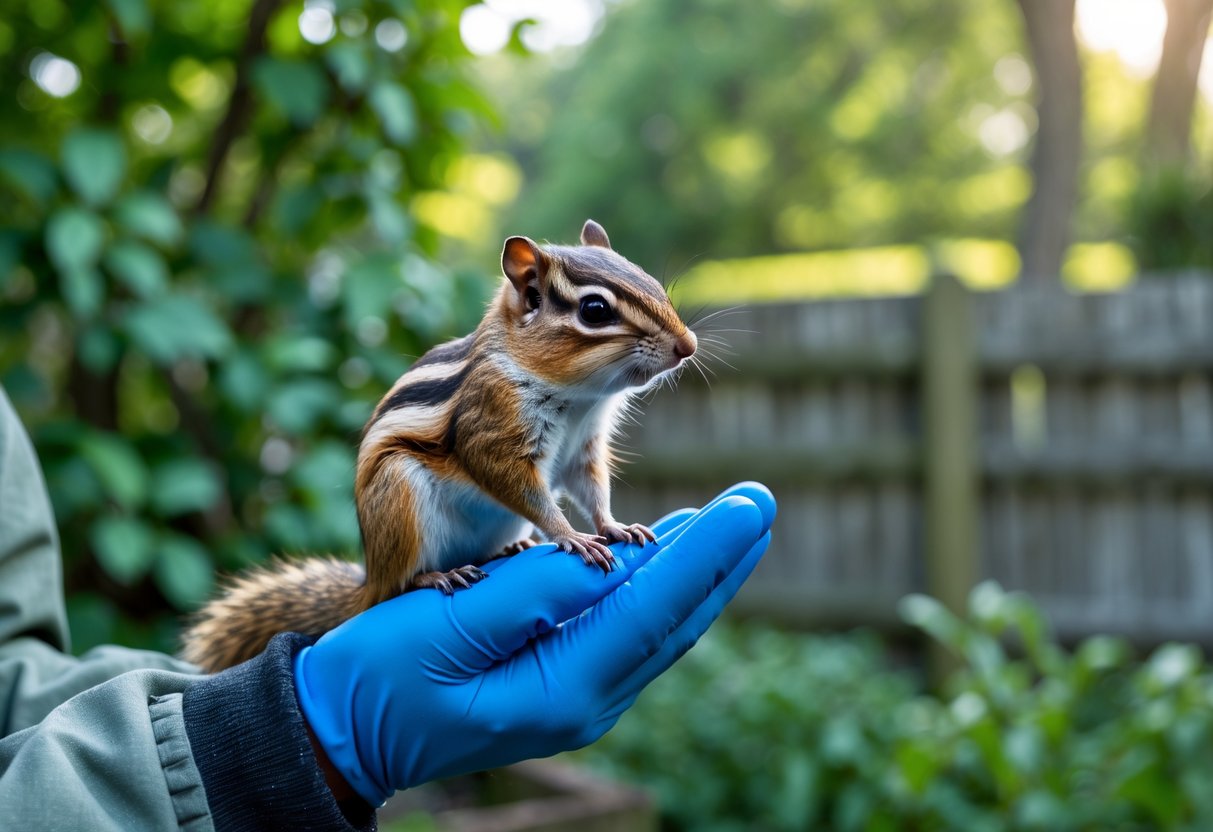
Chipmunks might look adorable and seem like fun pets, but the law doesn’t budge. If you had one before the rules changed, you’re still limited in how you care for it. You have to keep it contained and absolutely can’t let it breed.
If you spot a chipmunk or just want to know what this all means for pet owners, it’s worth understanding the reasons behind the law. Staying informed helps you avoid trouble. You can always check the government’s guidance on invasive species for more details.
Can You Legally Own a Chipmunk in the UK?
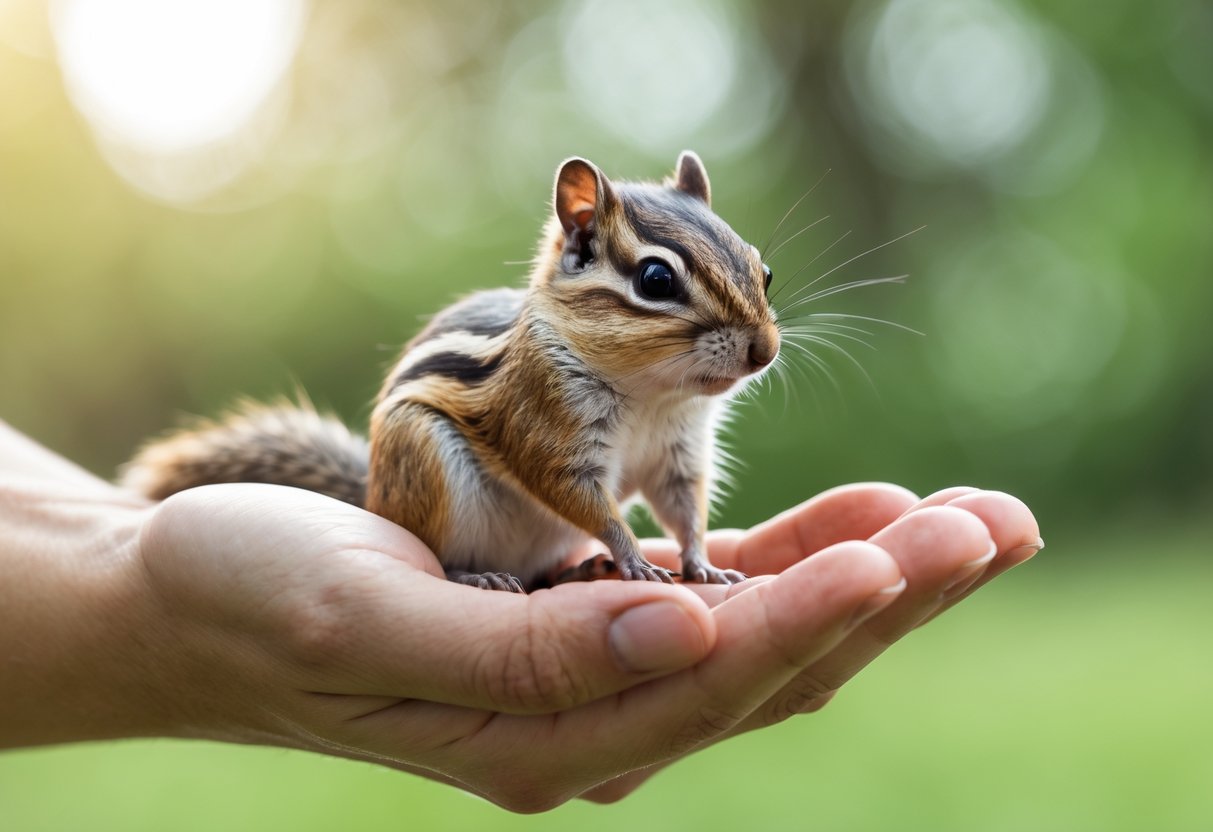
Owning a chipmunk in the UK isn’t simple. Wildlife laws and conservation rules make things strict. Not every chipmunk or related species is legal to keep, and you’ll need to stick to certain restrictions if you want to stay within the law.
UK Wildlife Laws and Regulations
UK law protects native wildlife and controls non-native species, including chipmunks. The Wildlife and Countryside Act 1981 bans people from releasing or keeping certain non-native species, like the Siberian chipmunk (Tamias sibiricus).
Chipmunks can cause big problems if they get out, so you can’t buy, sell, or keep them without permission. This rule also covers eastern chipmunks (Tamias striatus) and similar rodents. If you get caught with these animals illegally, you could face fines or lose the animal.
Never release a chipmunk into the wild—it can seriously harm local wildlife. For all the details, check out this invasive species guidance.
Species Allowed in UK Pet Trade
Most chipmunks, especially the Siberian chipmunk, are on the banned list. The ban covers all species in the Tamias genus.
If you owned a chipmunk before August 2016, you’re allowed to keep it. But you have to keep it as a pet, prevent it from breeding, and make sure it can’t escape.
You can’t legally buy or sell chipmunks now. If you see chipmunks for sale, that’s illegal. For more on this, see the chipmunk legality discussion on Crittery and the National Wildlife Crime Unit.
Licensing and Restrictions for Owners
If you had a chipmunk before the ban, you can keep it, but only under strict rules. It must stay in a secure enclosure and can’t breed or escape.
You can’t take your chipmunk outside, not even on a leash. The only exception is if you’re transporting it in a secure container, like when you’re heading to the vet or moving house.
People who want to keep chipmunks for research or rescue need special permits. Without those, it’s illegal to own or care for chipmunks.
If you somehow ended up with a chipmunk after the ban, you should reach out to Natural England or wildlife officers for advice. They’ll tell you what to do next, which might mean giving the animal up to a licensed facility.
For the nitty-gritty on licensing and rules, check the government’s info on invasive animal licensing.
Chipmunks as Pets: Practical Considerations and Alternatives
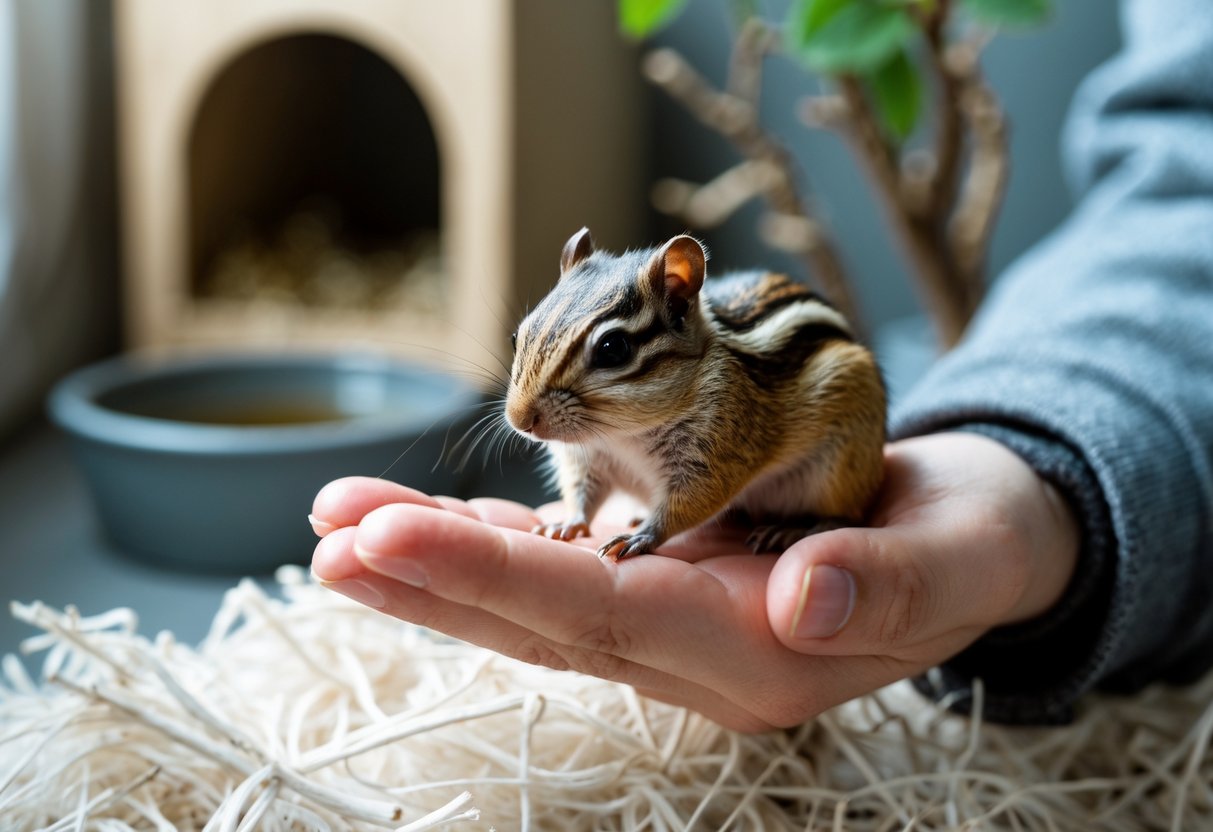
Chipmunks need lots of care, space, and attention. They’re super active and not always easy to handle. Their needs are pretty different from pets like hamsters or rabbits.
Care Requirements and Habitat Needs
You’ll need a large, secure enclosure—something bigger than 2 feet by 2 feet. Chipmunks love to dig and climb, so add tunnels, hiding spots, and natural materials like wood and soil.
They stay busy during the day and need toys or branches to keep them entertained. You’ll have to clean their cage often to avoid smells and bacteria.
Chipmunks usually don’t like being held much. They’re fast, a bit skittish, and get easily stressed. Don’t overcrowd their cage, and give them more than one food and water station.
Chipmunk Behaviour and Socialisation
Chipmunks are shy and get stressed by loud noises or sudden moves. They usually prefer living alone or with just one or two others—unlike rats or rabbits, which crave company.
They store food in their cheeks and get territorial. Getting one comfortable with you takes patience. They rarely act like tame rodents such as guinea pigs.
Handle them gently and not too often. If you want a pet that likes cuddles or playtime, chipmunks probably aren’t the best choice.
Diet, Nutrition, and Health Issues
A chipmunk’s diet should include seeds, nuts, fruits, and a few veggies. Skip the sugary or processed stuff. They always need fresh water.
Mix up their food to keep them healthy and avoid picky eating. Chipmunks can get dental problems, so offer chew toys or hard foods to help wear down their teeth.
Regular health checks are a good idea, but finding a vet who knows rodents can be tricky. Watch for weight loss, low energy, or changes in eating—these signs could mean something’s wrong.
Alternative Small Pets to Consider
If chipmunks feel like too much work, you could check out other small pets like hamsters, gerbils, or rats. These little guys usually handle smaller cages well, and most people find them easier to handle.
Chinchillas and rabbits definitely need more space. Still, lots of folks say they’re friendlier and more interactive.
Maybe birds or small frogs make more sense for you? They bring a different vibe and don’t need as much hands-on attention.
Think about what fits your daily routine. For instance, hamsters sleep at night, and they’re pretty simple to care for.
Rabbits, though, need regular exercise and some time out of their cages.
Pick a pet you can actually care for every day. That’s the best way to keep them healthy and happy.
If you want more info about chipmunk care, you’ll find detailed guides at Pets4Homes.


