
Are chipmunks still around? Absolutely. These little, striped rodents pop up all over North America, from Canada all the way down to Mexico.
You might catch them darting through forests, hanging out in parks, or even scurrying across your backyard.
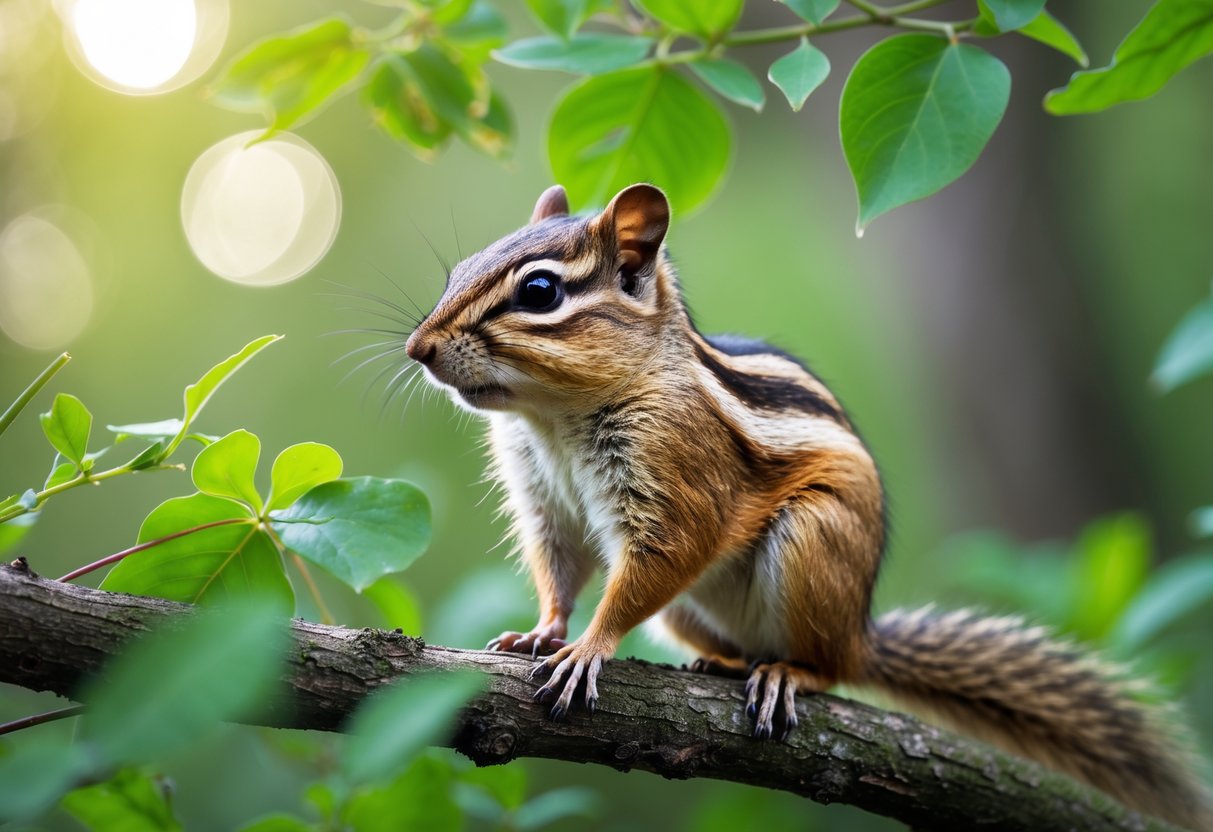
Chipmunks stay pretty busy, always zipping around and stuffing their cheek pouches with snacks. They don’t hibernate all the way through winter—instead, they just snooze lightly and wake up to nibble on their stashed food.
If you spot chipmunks, it usually means the environment’s in decent shape. They’re still doing well in a lot of places.
Curious about their habits or where they live? There’s a lot to discover about these little guys. Honestly, once you notice them, it’s hard not to keep an eye out for more.
For more about chipmunk behavior and where they hang out, here’s a good resource: Chipmunk | Game Commission | Commonwealth of Pennsylvania.
Do Chipmunks Still Exist in the Wild?

You’ll still find chipmunks in loads of places across North America. They show up in thick forests, backyard gardens, and everywhere in between.
Depending on the species and the area, some chipmunks seem pretty common, while others keep a low profile.
Current Global Distribution
Most chipmunks call North America home, especially east of the Great Plains. People spot them from Canada, through the U.S., and into bits of Mexico.
The eastern chipmunk (Tamias striatus) is all over forests, parks, and even suburban neighborhoods in the eastern U.S. and Canada.
The least chipmunk, which is smaller, lives farther west—think South Dakota and those open, rocky places. It likes grasslands, open woods, and rocky spots.
Chipmunks don’t naturally live outside North America. They’re just not native anywhere else.
Species Overview: Eastern and Least Chipmunks
The eastern chipmunk is probably the one you picture first. It’s got reddish-brown fur with those classic stripes, and it can live up to three years in the wild.
You’ll often see it hustling to gather seeds and nuts for the winter, usually working solo and digging out burrows for itself.
Least chipmunks are smaller and their colors aren’t as bold. You’ll find them in the drier, western parts of the continent, hanging out in plains and mountains.
They live a lot like eastern chipmunks but prefer ground cover and rocky soil.
| Species | Size | Range | Habitat Types |
|---|---|---|---|
| Eastern Chipmunk (Tamias striatus) | Medium (~8-10 inches) | Eastern US & Canada | Forests, urban, parks |
| Least Chipmunk | Small (~5-6 inches) | Western US, South Dakota | Grasslands, rocky areas |
Active Populations and Habitats
Eastern chipmunks stay active through spring, summer, and fall. People spot them in forests, along the edges of woods, and even in gardens where there’s food and shelter.
Least chipmunks do well in wide-open areas farther west. You might see them darting through grasslands with rocks or low shrubs.
Both species work hard to build burrows with different rooms for food and sleeping.
Eastern chipmunks, especially in colder places, go into a long torpor during winter and live off their stashed food. Their knack for adapting to new spots really helps them stick around.
Factors Impacting Chipmunk Survival
Chipmunks need good food, safe places to live, and a bit of luck with predators. They eat seeds, nuts, fruit, and fungi they collect in warmer months.
When cities or farms take over, chipmunks lose safe spots to live. Since they’re pretty territorial and like having space, crowded areas can lead to more squabbles.
Predators—foxes, coyotes, owls, snakes—definitely keep chipmunks on their toes. Chipmunks dodge danger by staying alert and dashing into their burrows.
Harsh winters or not enough food can make things tough for them.
Want more info about eastern chipmunks? Here’s a handy Eastern Chipmunk Fact Sheet.
Life and Behavior of Modern Chipmunks

Chipmunks are small, striped rodents that mostly stick to the ground and dig out burrows. They use their bodies and habits to survive in forests—and sometimes, right in your own backyard.
You’ll notice they’re always busy, collecting food or dodging trouble. Their clever habits definitely help them get by.
Unique Features: Stripes and Cheek Pouches
You can’t miss the stripes. Chipmunks have dark and light lines running down their backs, which helps them blend in with the leaves and dirt.
This camouflage makes it pretty tricky to spot them unless you’re really looking.
Their cheek pouches are another standout feature. These little pouches stretch out so they can haul seeds and nuts back to their burrows.
It’s kind of wild—when they fill those pouches, their heads almost double in size. It looks a bit silly, honestly, but it’s super useful.
Predators and Threats in Nature
Chipmunks have to watch out for a bunch of predators. Raccoons and snakes hunt them, and birds of prey like hawks keep an eye out from above.
To stay safe, chipmunks stick close to their burrow entrances and move in quick, darting bursts. They don’t climb trees as much as squirrels do, so they rely on their tunnels for cover.
Staying alert and hidden is key for them, especially in places full of predators.
Daily and Seasonal Activity
Chipmunks do most of their foraging during the day. They’re diurnal, so you’ll see them searching for food while the sun’s up.
A chipmunk can gather over 100 acorns or seeds in a single day.
When winter hits, chipmunks don’t really hibernate like some animals. Instead, they lay low in their burrows, resting for long stretches.
On warmer winter days, you might catch one waking up to snack on its stash. This routine helps them save energy and make it through the cold months.
Chipmunks’ Role in Local Ecosystems
Chipmunks actually play a bigger role in nature than most folks realize. When they gather and stash nuts, they end up planting seeds all over the place—sometimes without even knowing it.
Those forgotten seeds can sprout into new trees later on. So, in a way, chipmunks help forests keep going.
Plenty of predators rely on chipmunks for food. Snakes and raccoons, for example, often hunt them.
Sure, chipmunks might annoy gardeners by snacking on fruits or veggies. Still, their habits support the balance of local wildlife, even if it’s not always obvious.


