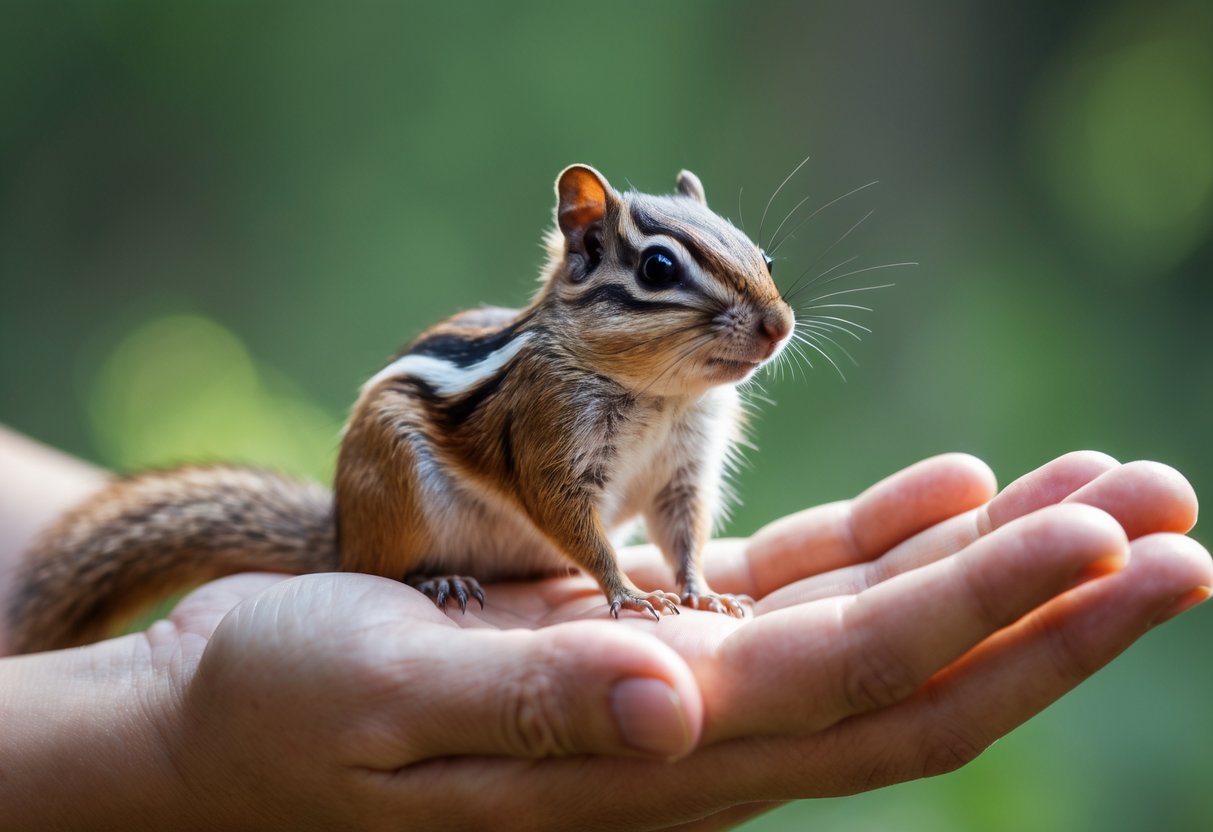
So, is it safe to touch a chipmunk? Honestly, not really. Chipmunks are wild animals and might carry diseases, so you should avoid handling them with your bare hands.
They look adorable and harmless, but chipmunks will bite if they get scared or feel threatened.
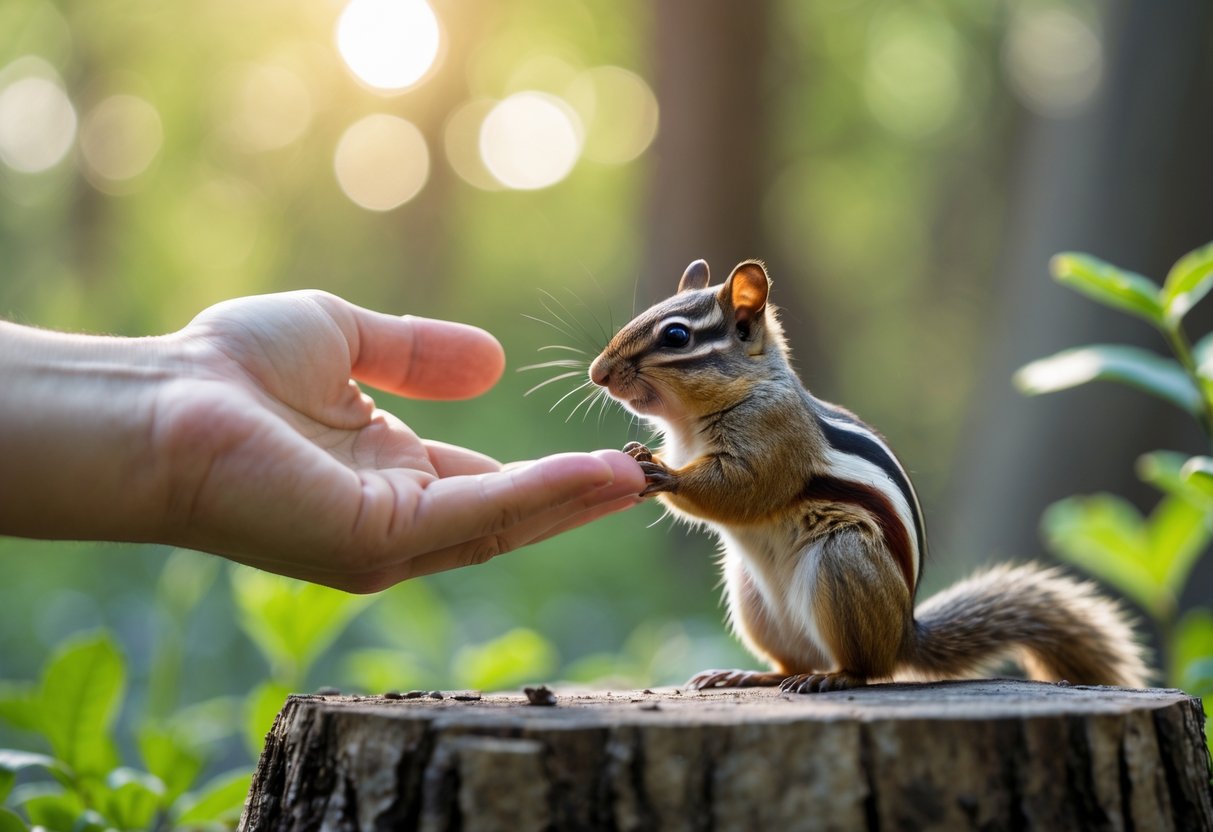
A quick touch might seem harmless, but chipmunks can pass illnesses through their saliva, urine, or even the fleas and ticks they carry. Keeping your distance protects you and keeps the chipmunk safer too.
Curious about the risks and how to keep yourself safe around chipmunks? Let’s break down what you need to know and why you should probably just watch chipmunks from a distance.
Is It Safe to Touch a Chipmunk?

Touching a chipmunk comes with some health risks because they’re wild. Chipmunks can bite if they get scared, and they sometimes carry diseases.
If you know what risks are out there, you can decide how close you want to get—or if you should just skip the contact altogether.
Risks of Direct Contact with Chipmunks
Chipmunks can bite or scratch if they feel trapped or threatened. Their sharp teeth can break the skin, and even a small wound might get infected.
You shouldn’t try to handle a chipmunk with bare hands. Even tiny bites or scratches can lead to infection.
Wild animals can carry germs that pass to humans. If you touch a chipmunk without protection, you’re more likely to pick up germs or parasites.
It’s safer to just watch chipmunks from a distance. Even if one seems calm, resist the urge to pet or grab it.
Can Chipmunks Carry Rabies?
Chipmunks almost never have rabies. The virus usually spreads through bites from animals like bats, raccoons, or skunks.
Rodents like chipmunks die quickly if they get rabies, so they rarely become a source of infection.
If a chipmunk lets you pick it up or acts strangely tame, it could be sick. Rabid animals sometimes seem unusually calm or confused.
If a chipmunk bites you, wash the wound well and talk to a doctor right away about rabies risk.
Never touch wild mammals with bare hands. If you’re curious about rabies in chipmunks, check out this rabies risk in chipmunks link.
Other Diseases and Parasites in Chipmunks
Chipmunks can carry other diseases and parasites besides rabies. Ticks, fleas, and mites sometimes hitch a ride on them, and these pests can spread infections.
Sometimes chipmunks carry bacteria like Salmonella, either on their fur or in droppings. If you touch a chipmunk and forget to wash your hands, you might get sick.
If a chipmunk seems sick, has visible parasites, or acts weird, don’t touch it. If you really have to handle a wild rodent, wear gloves.
For more tips, you can read this wildlife safety advice.
What To Do If You Encounter or Need to Handle a Chipmunk
Running into a chipmunk can catch you off guard, especially if it looks hurt or sick. If you have to handle one, you need to be careful for your safety and the chipmunk’s.
Knowing when and how to act can make things a lot safer.
When It Is Necessary to Handle a Chipmunk
Only handle a chipmunk if it’s injured, trapped inside, or stuck somewhere dangerous like near pets or a road. Otherwise, just watch from a distance.
Chipmunks can bite or scratch if you get too close, especially when they’re scared.
If you find a baby chipmunk alone, be really careful. It might need help, but don’t try to feed or raise it yourself.
Keep pets like dogs or cats away so the chipmunk doesn’t get stressed or hurt.
Handling chipmunks only when it’s absolutely necessary avoids extra harm.
How to Safely Handle Wild Rodents
If you have to pick up a chipmunk, put on heavy gloves to protect your hands. Move slowly and gently cover the chipmunk with a thick towel or cloth before wrapping it up.
Don’t squeeze or press down on its body. Try to stay calm and avoid sudden moves.
Once you’ve got the chipmunk wrapped, release it outside by opening the towel and letting it go. Watch to make sure it runs off safely.
Try not to touch chipmunks directly. Don’t pet or hold them longer than you need to.
Who to Contact for Help With Injured or Sick Chipmunks
If you spot a chipmunk that seems sick or hurt, or honestly, if you just aren’t sure what to do, reach out to a wildlife rehabilitator or your local animal control officer. They actually know what they’re doing and have training to handle wild animals safely.
You could also try calling a veterinarian, especially if you found the chipmunk close to your house. This is extra important if you have pets that might be at risk for things like rabies.
Sometimes, wildlife biologists can offer advice about local animal issues. It never hurts to ask if you’re feeling stuck.
Don’t try to care for the chipmunk on your own. Let the experts handle it—they’ve got the right tools and know-how.
If you live near pets or livestock, the professionals might suggest rabies shots or immunoglobulin if there’s a risk of exposure.


