
Ever watched chipmunks darting around your yard and wondered if they ever get aggressive? Chipmunks usually don’t pick fights with humans and would rather keep to themselves, but they can get pretty feisty with each other. You’ll see this most when they’re fighting over food, territory, or even a potential mate.
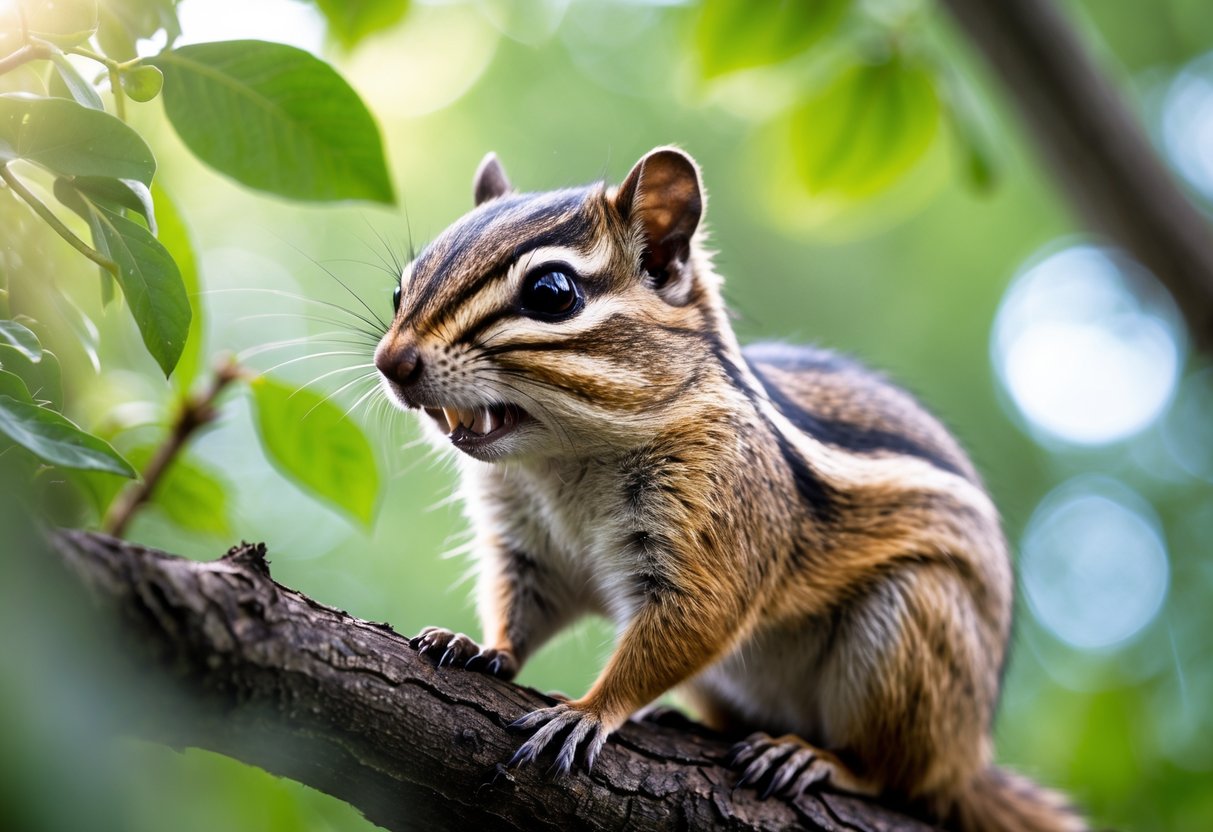
Sometimes, you’ll hear chipmunks chirping loudly or spot them squabbling during certain seasons. Even though they’re tiny and quick, these creatures definitely have bold moments—especially around their own kind.
Trying to figure out their behavior? It can help you see why they act the way they do.
When and Why Chipmunks Get Aggressive

Chipmunks seem cute, but they can show aggression in certain situations. Usually, this happens when they feel threatened or need to guard something like food or territory.
If you know what sets them off, you can avoid running into trouble with these little guys.
Typical Triggers for Aggression
Chipmunks get aggressive when they think their space or food is in danger. If another chipmunk or animal comes near their burrow or food stash, you might see them chase or even bite.
Stress plays a role too. If a chipmunk feels trapped, it’ll defend itself.
During mating season, males get more aggressive as they compete for females. You’ll notice chasing and loud vocal threats.
Aggression Toward Humans
Most chipmunks steer clear of people. But if you try to touch or grab one, it might bite you to protect itself.
They won’t pick fights with humans, but if you get too close to their homes or food, they’ll react. This is especially true if they’re already stressed out.
Sometimes, chipmunks that get used to being fed by people lose their fear. That can make them bolder—and sometimes a bit aggressive.
Aggressive Behavior Among Chipmunks
Chipmunks like having their own space. They don’t usually share territory.
When another chipmunk wanders in, you’ll often see chasing and hear noisy calls. They use sounds like chipping or trilling to warn others to stay away.
These run-ins can lead to biting or scratching. Aggression helps chipmunks protect their food, mates, and burrows.
It’s just part of how they keep things in order.
For more details, check out why chipmunks chase each other.
Recognizing and Responding to Aggressive Chipmunk Behavior

Most of the time, chipmunks avoid people. But if they feel threatened, they can show signs of aggression.
If you know what to look for, you can stay safe and avoid stressing out the chipmunk.
Signs of Aggression to Watch For
Aggressive chipmunks might bare their teeth, hiss, or chatter loudly. You could see them raise their fur or move in quick, jerky bursts.
If a chipmunk stands its ground instead of running, it probably feels cornered.
They might snap their jaws or lunge at you if you come too close. Sometimes, they scratch or bite in self-defense.
If you spot these behaviors, it’s a pretty clear sign the chipmunk is stressed or scared.
What to Do If Confronted by an Aggressive Chipmunk
So, a chipmunk’s acting aggressive? First, just try to stay calm and slowly back away from it.
Don’t pick it up or touch it—honestly, that’s only going to make things worse.
Give the chipmunk some space to escape. If your pet gets involved and starts chasing or cornering the little guy, gently separate them so nobody gets hurt.
Skip the loud noises or sudden movements; those will only make the chipmunk feel even more trapped.
Chipmunks usually bite because they’re scared and want to protect themselves. Keeping your distance is really the easiest way to avoid any drama and keep the animal safe.
If you want more info about dealing with wild chipmunks, check out Humane Wildlife Control Society.


